LIZARD CARE GUIDES
Lizards, the most diverse pet reptile category.
Lizards range from coin-sized hatchlings to four-foot tegus, from strict insectivores to omnivores, from desert specialists to high-humidity arboreals. Generic "lizard care" advice will fail you. Every species needs its own approach.
Choose your lizard
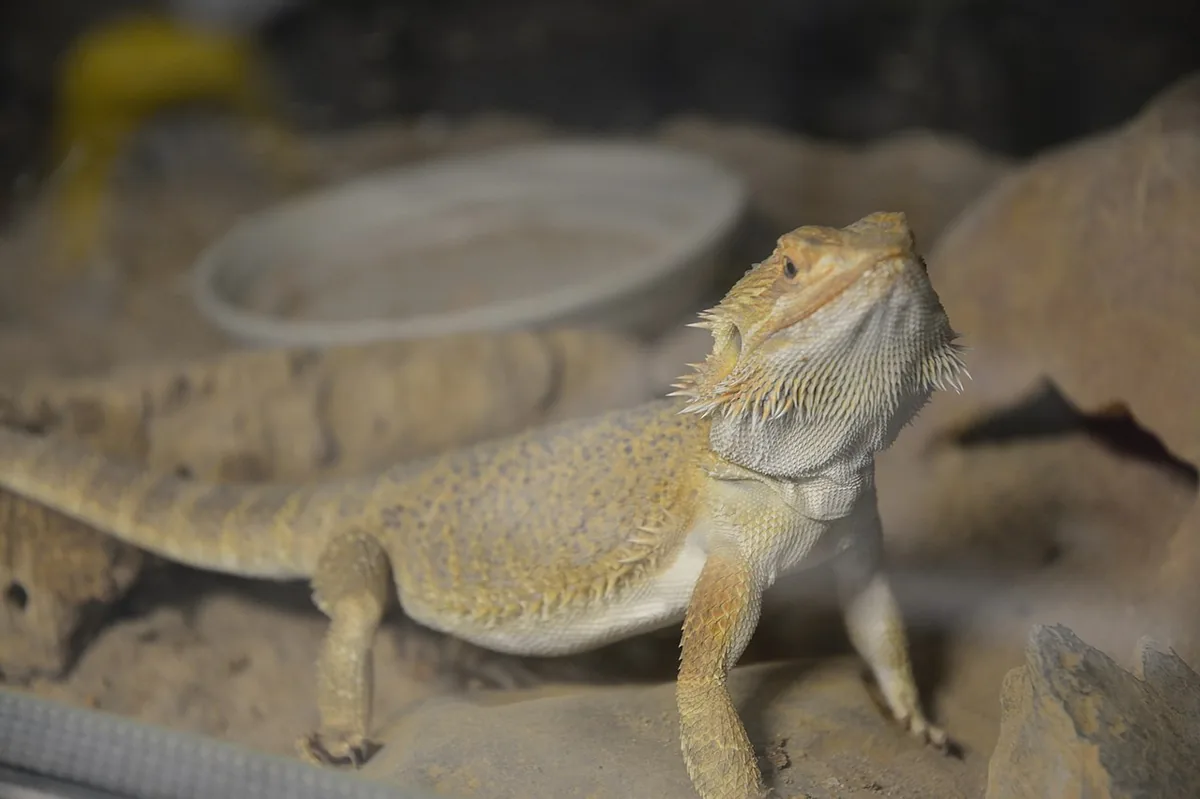
Bearded Dragon
The default pet lizard. Diurnal, omnivorous, handles well. The biggest issue is the UVB system, most owners run inadequate UVB and many bearded dragons develop metabolic bone disease as a result.
Open the bearded dragon guide →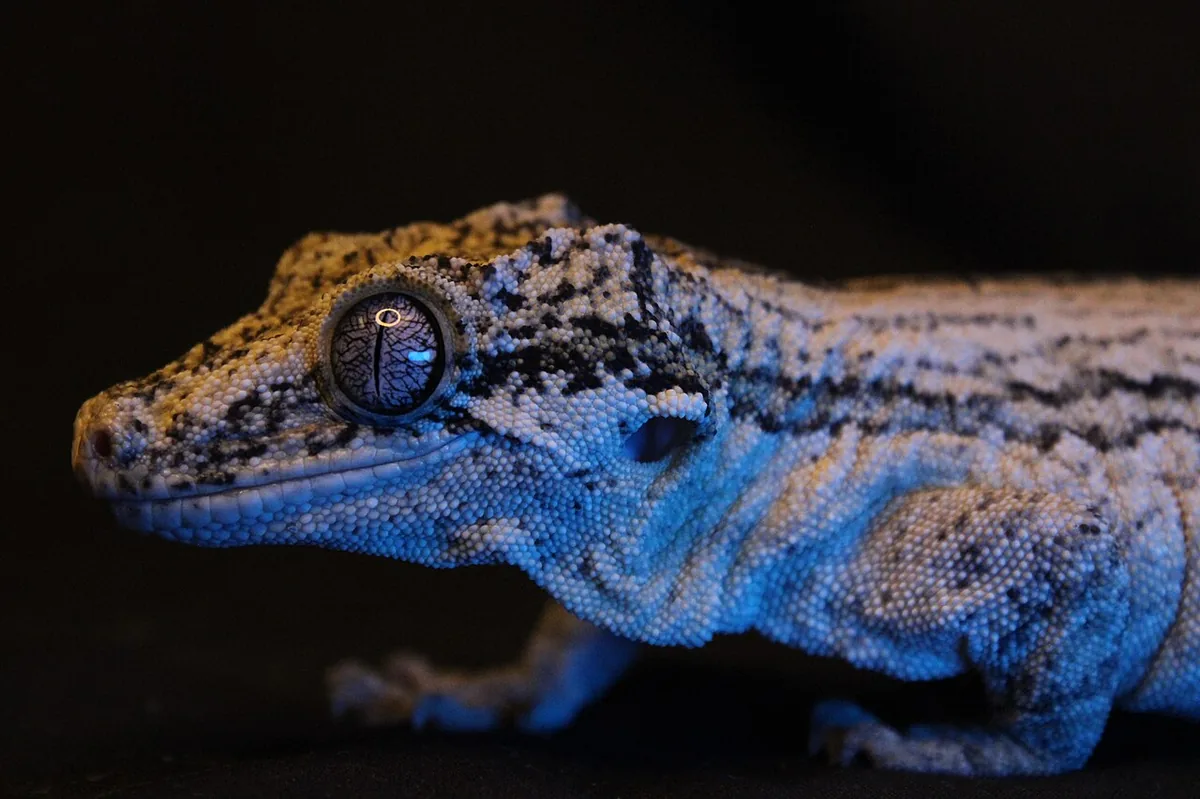
Leopard Gecko
Nocturnal, small, simple husbandry. Often pitched as not needing UVB, current research disagrees. We cover what evidence-based leopard gecko care actually looks like.
Open the leopard gecko guide →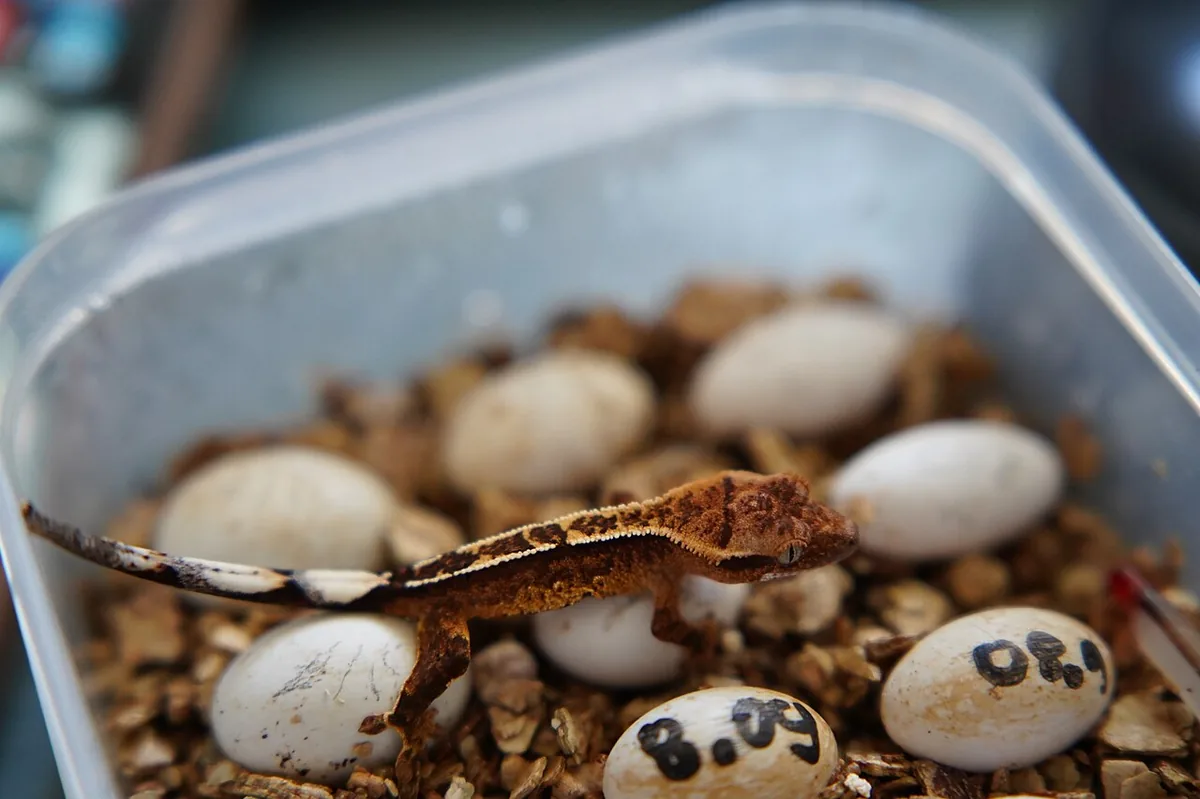
Crested Gecko
One of the most popular pet lizards in the last decade. Arboreal, fed largely on commercial diet (CGD), tolerant of room temperatures. Humidity and enclosure orientation are the most common pitfalls.
Open the crested gecko guide →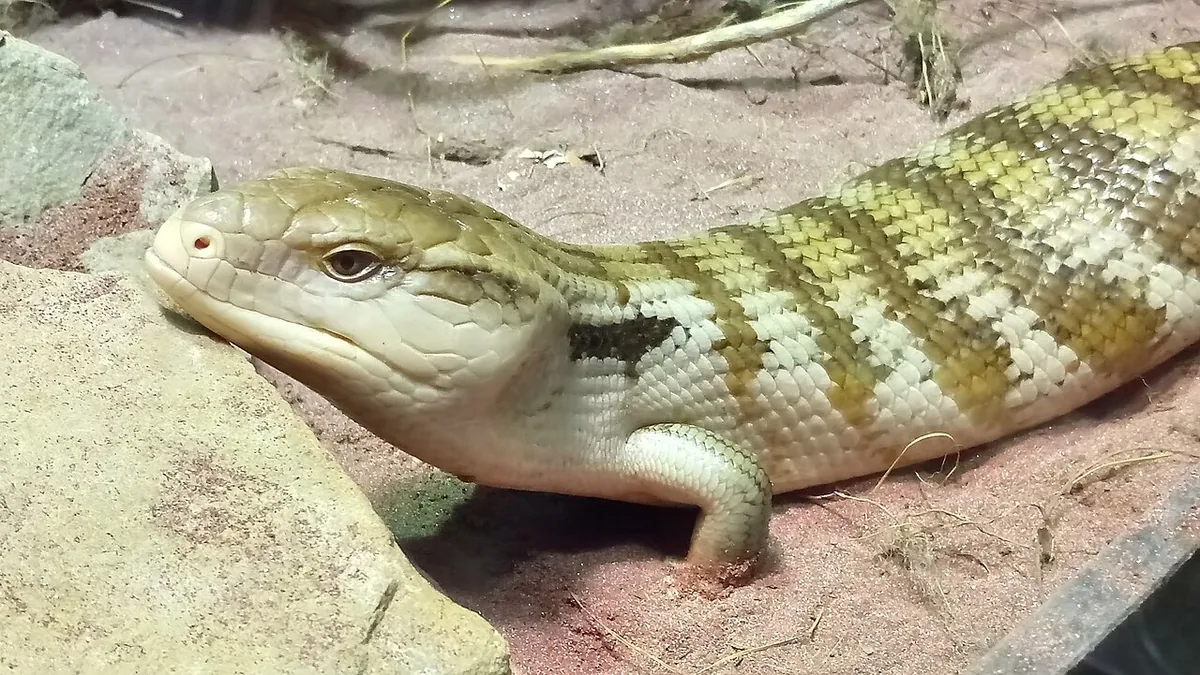
Blue-Tongued Skink
Stocky, ground-dwelling, omnivorous, often very docile. Diet variety is the most-overlooked element, these animals need much more variety than they typically get.
Open the blue-tongued skink guide →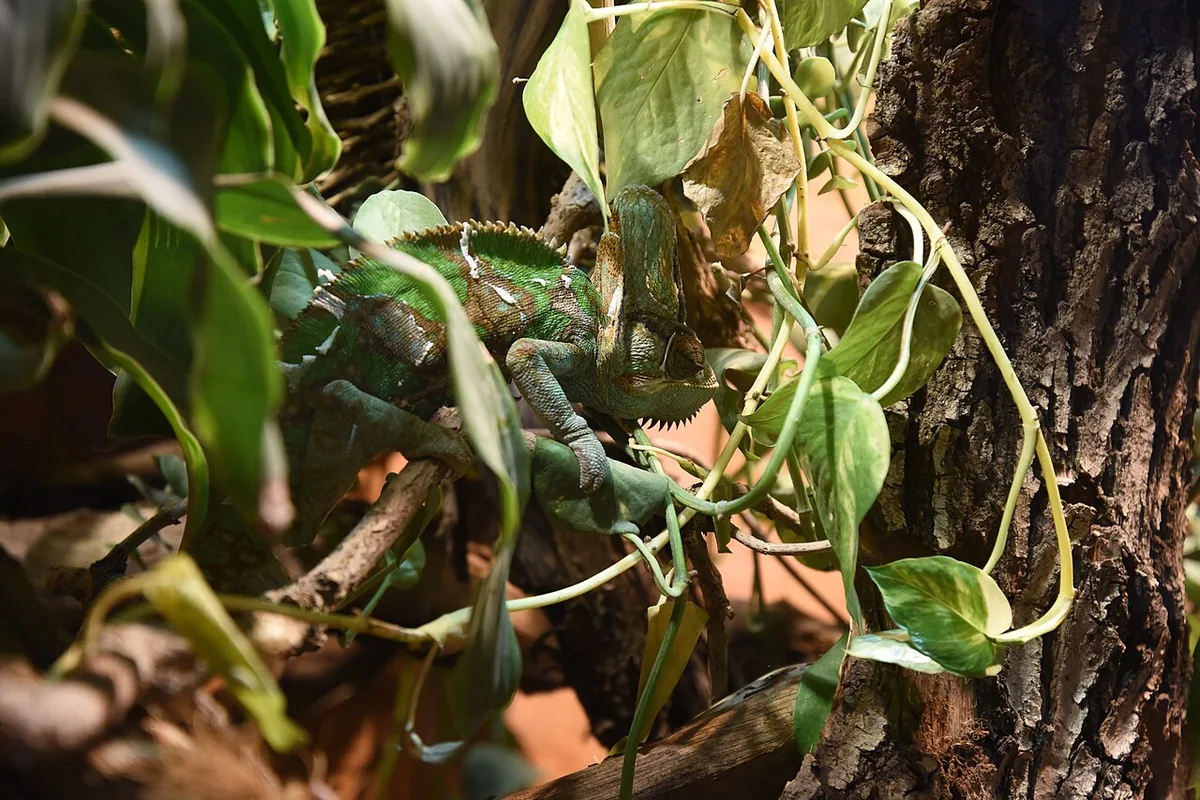
Veiled Chameleon
Stunning, popular, and frequently kept in conditions that kill them within a year. Husbandry is exacting and unforgiving. Beginners should look elsewhere first.
Open the veiled chameleon guide →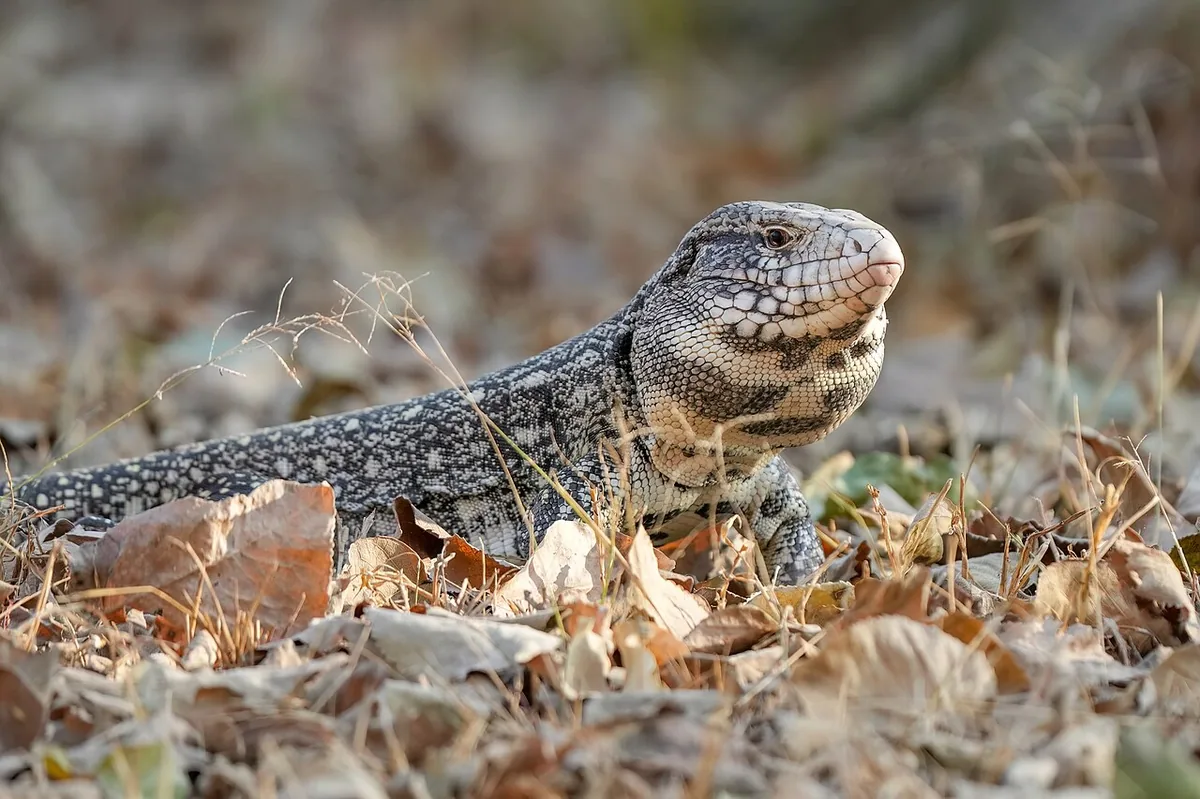
Argentine Tegu
A four-foot lizard with the intelligence to learn its name and the appetite to demand a chest freezer of food. Wonderful animal, and the wrong choice for most keepers who buy hatchlings.
Open the Argentine tegu guide →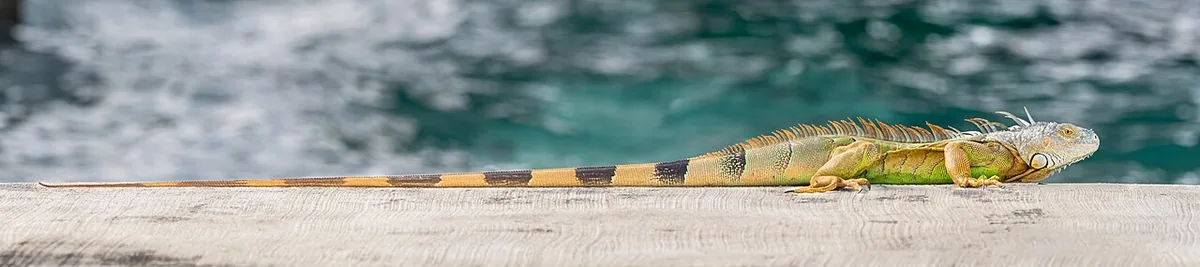
Green Iguana
The "starter lizard" that ends up surrendered. Adult males hit 5+ feet and require room-sized enclosures. Most pet iguanas don't make it to age 5. Read before you buy.
Open the green iguana guide →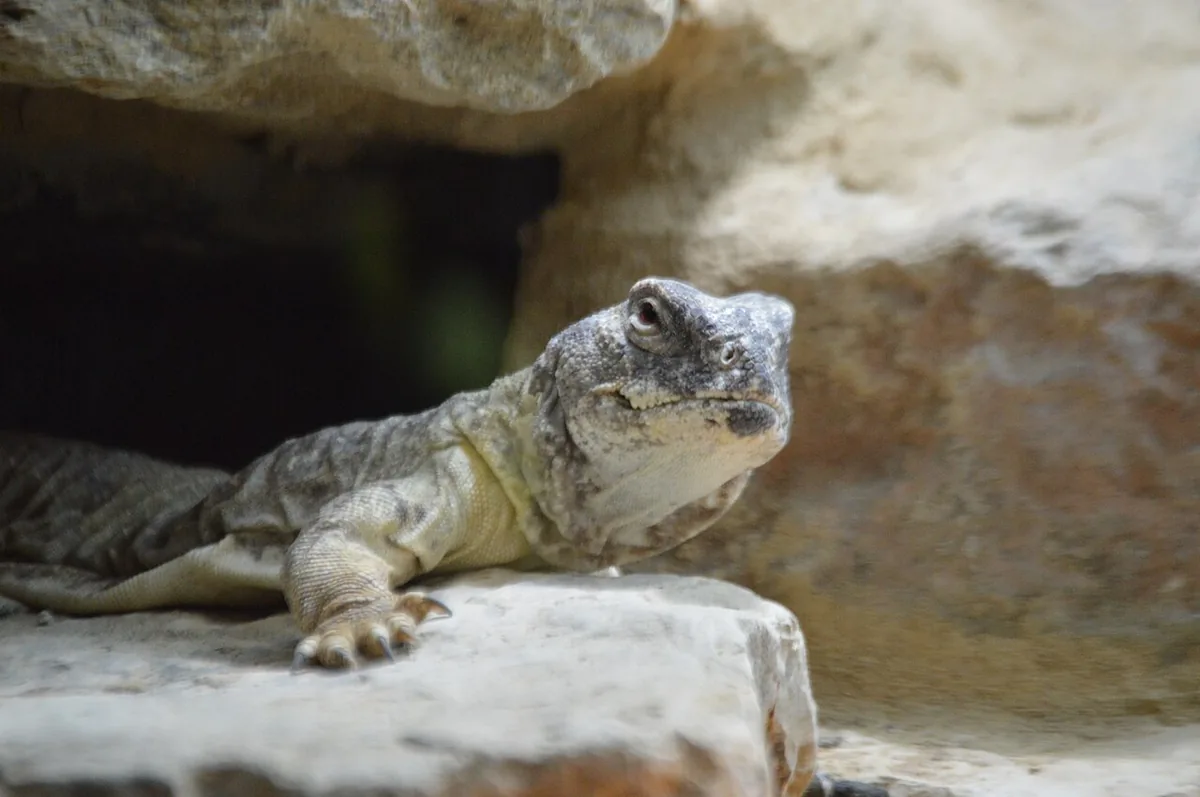
Uromastyx
Daytime-active herbivorous desert lizard. Often suggested as a manageable iguana alternative. Requires extreme basking temperatures (120-130°F surface) most keepers don't expect.
Open the uromastyx guide →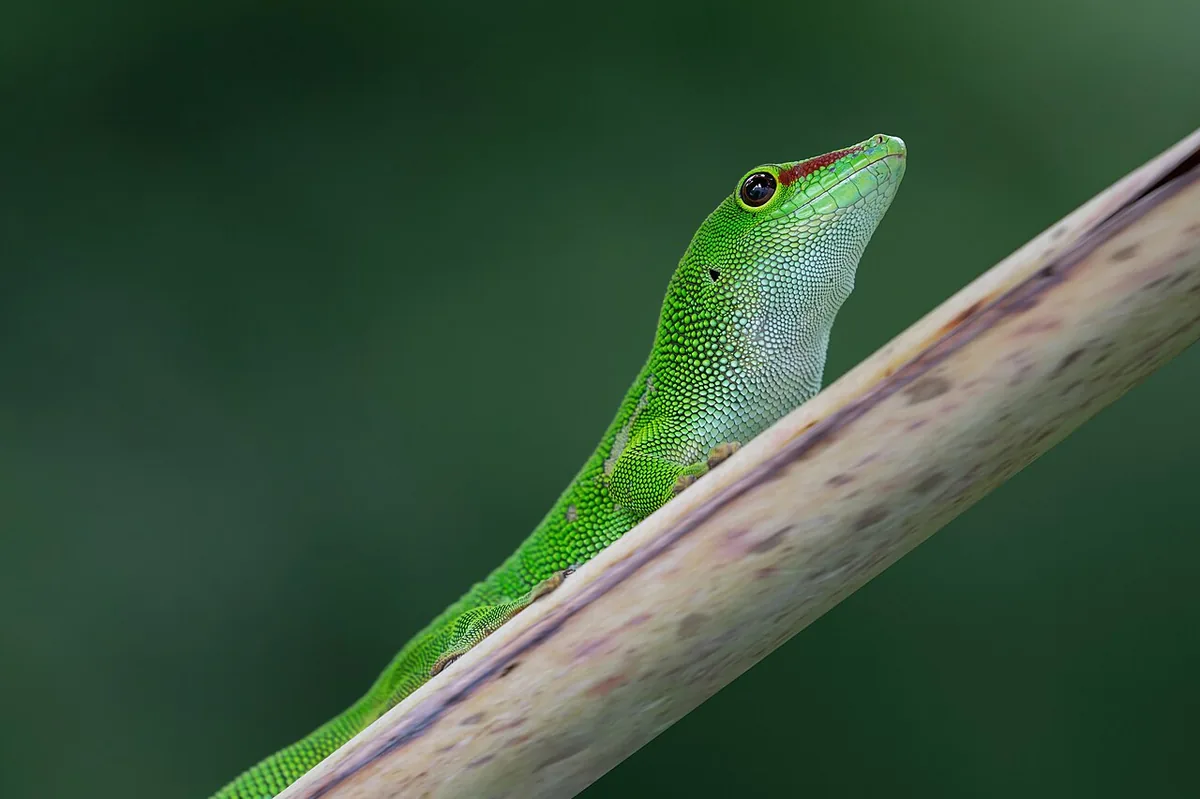
Day Gecko
Stunning bright-green diurnal gecko from Madagascar. Display-only, their skin tears from handling. Excellent for planted vivarium keepers.
Open the day gecko guide →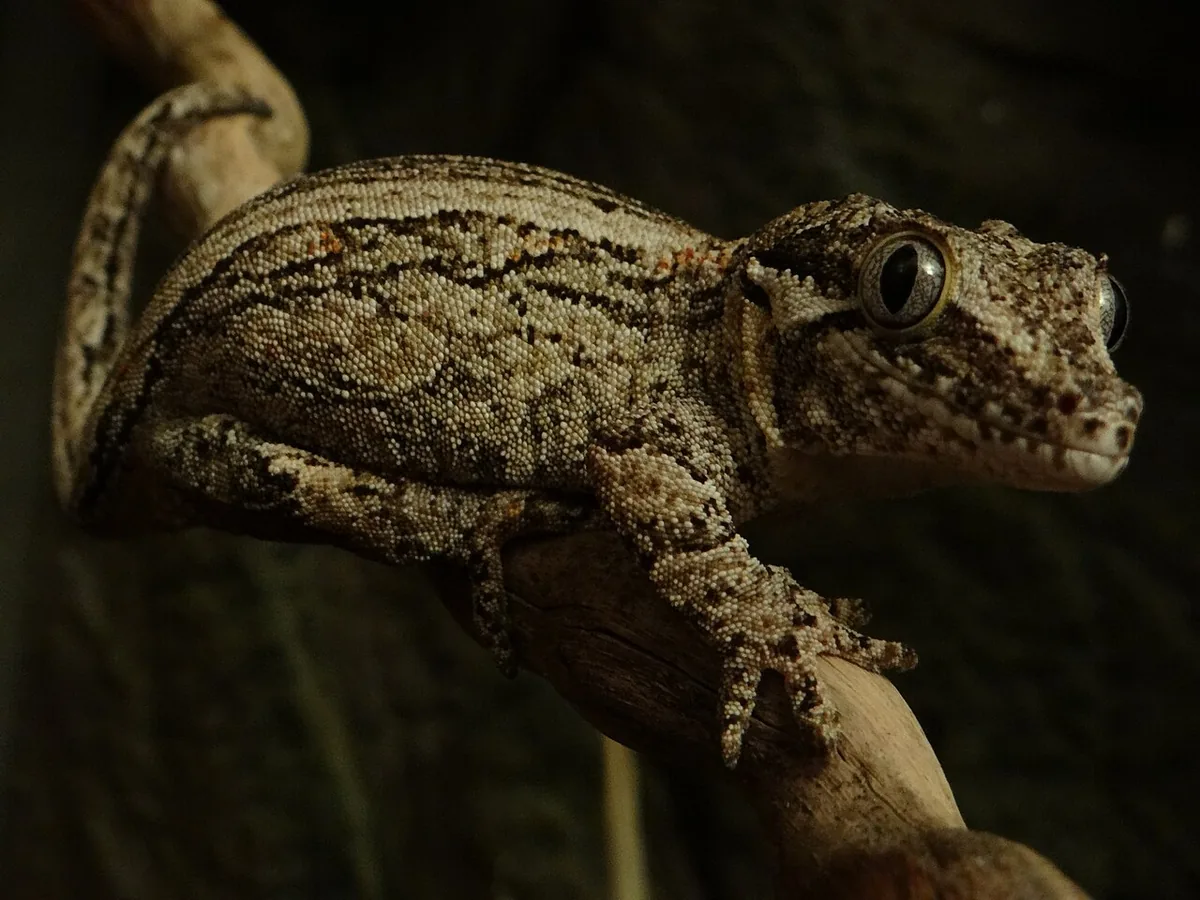
Gargoyle Gecko
Similar to crested gecko but with two differences worth knowing: tail regrows if dropped, and they benefit from more insect protein in the diet. Tail is the main reason many keepers prefer them.
Open the gargoyle gecko guide →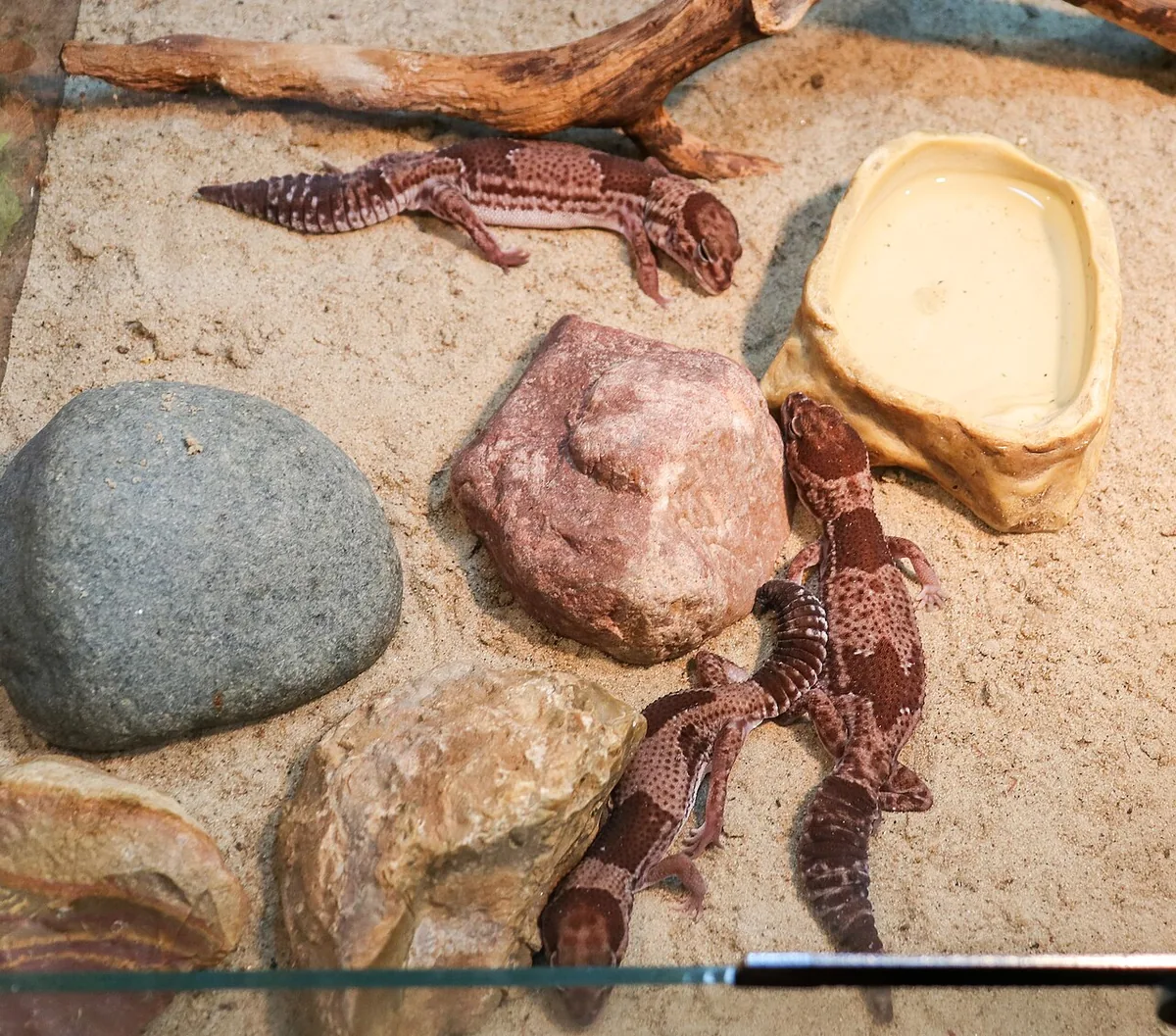
African Fat-Tailed Gecko
Leopard gecko's African cousin. Similar size and care but needs higher humidity. Often slightly more docile temperament. Great alternative for keepers who like leopards but want something different.
Open the African fat-tailed gecko guide →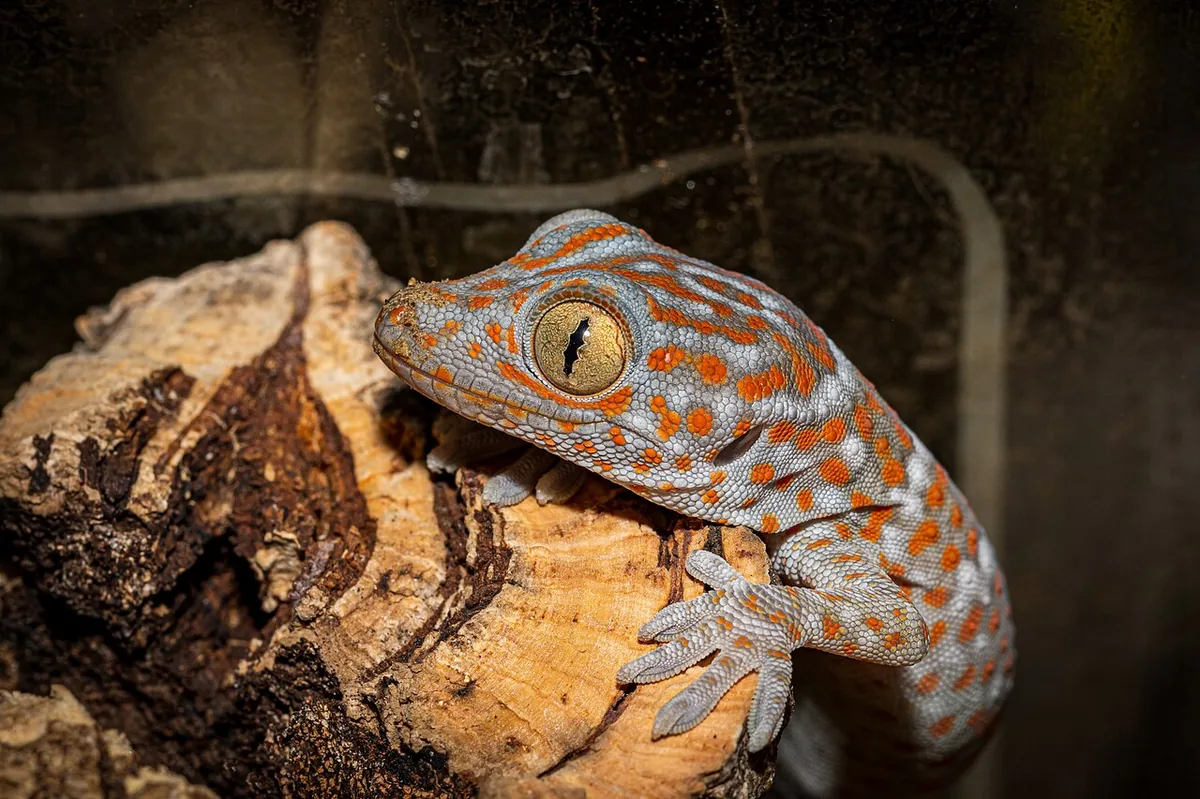
Tokay Gecko
Striking blue-and-orange arboreal gecko. Vocal at night, bites hard, display-only, but visually stunning.
Read the full care guide →
Panther Chameleon
Brilliant blue, red, orange, and green males. Diurnal display animal, demanding husbandry. Experienced keepers only.
Read the full care guide →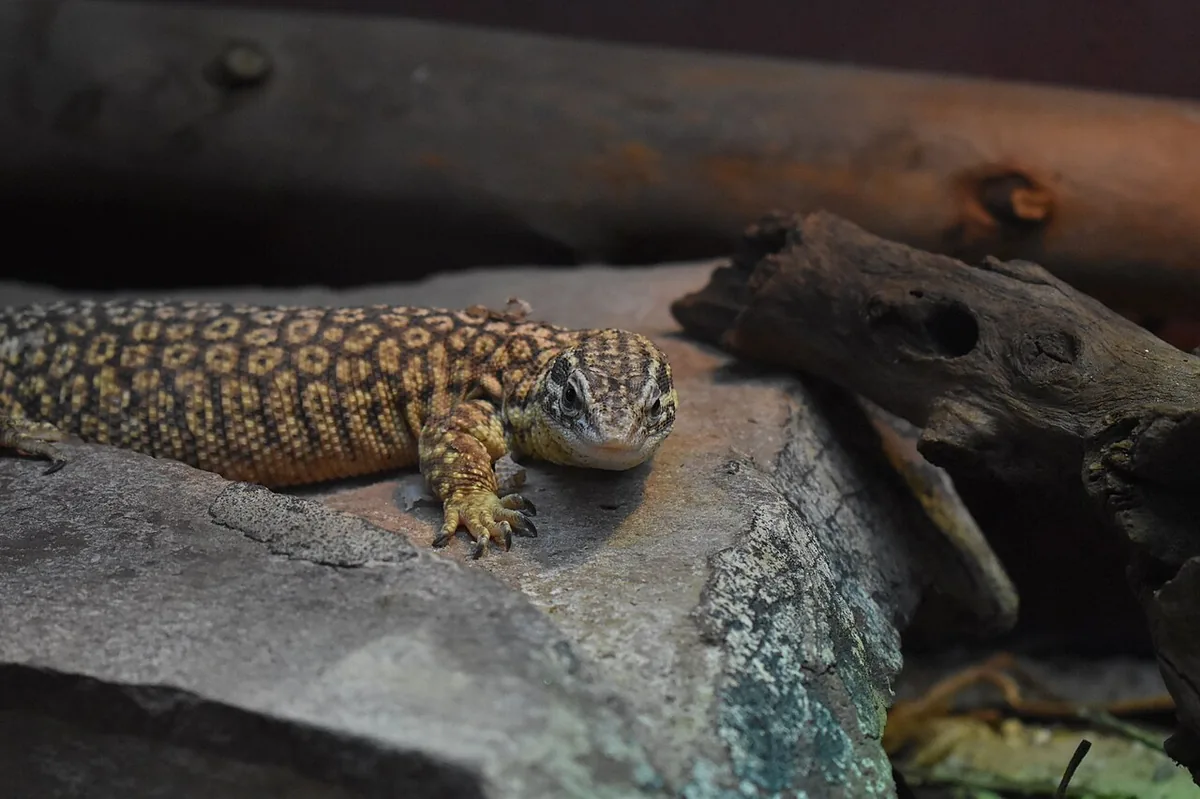
Ackie Monitor
Small Australian monitor with full monitor intelligence in a manageable size. Reasonable for serious hobbyists.
Read the full care guide →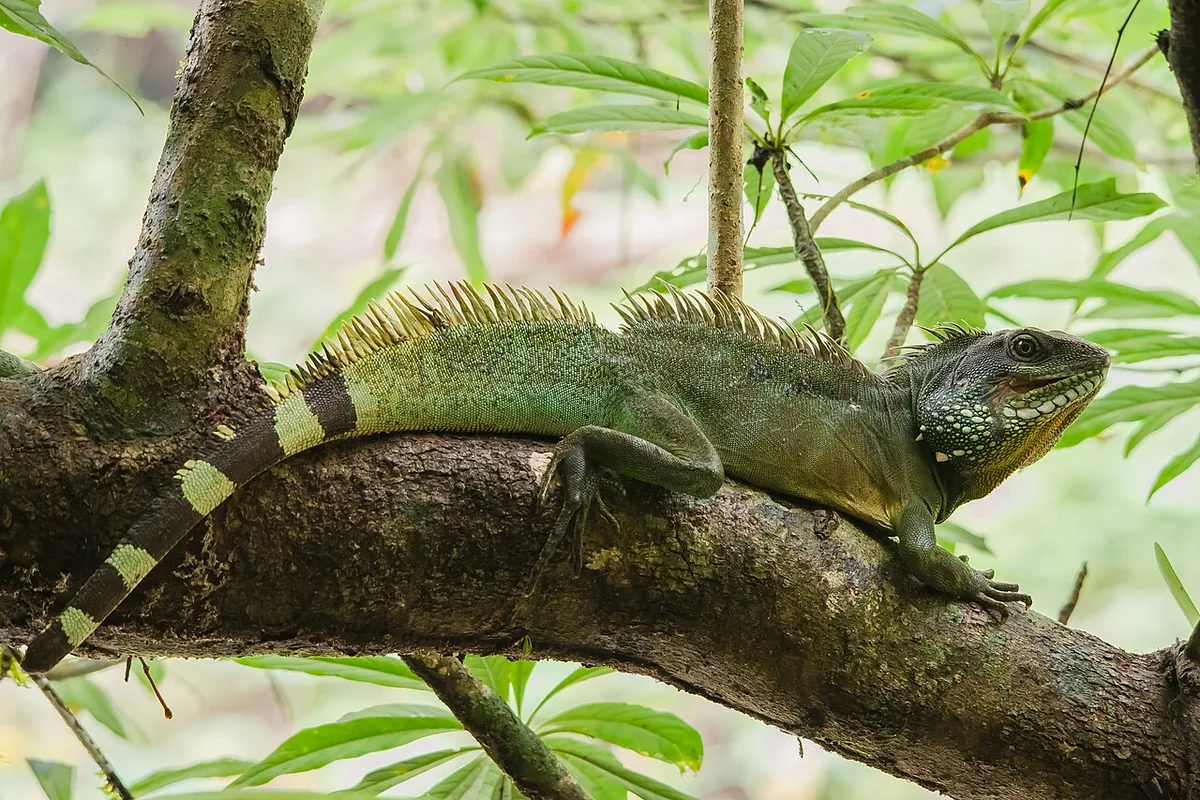
Asian Water Dragon
Bright green arboreal lizard from Southeast Asia. Needs vertical space and a real water feature.
Read the full care guide →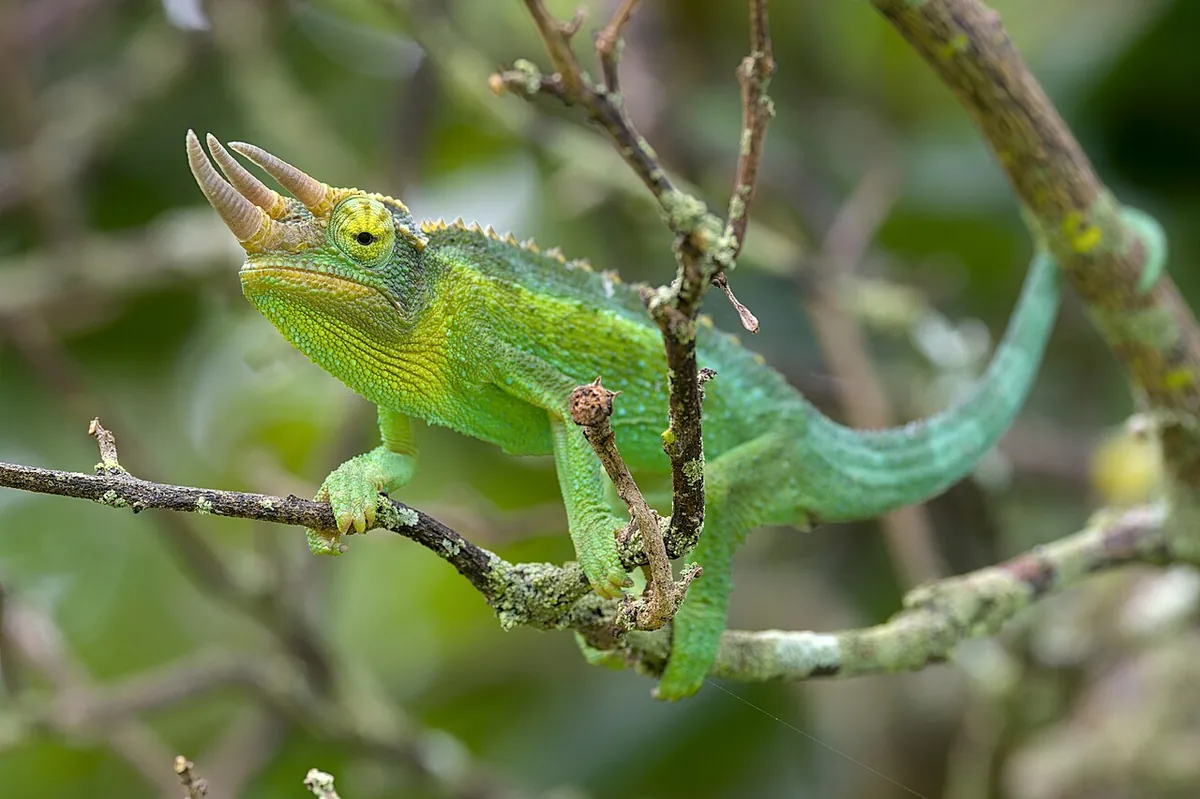
Jackson's Chameleon
Three-horned montane chameleon from East Africa. Cooler temperatures than panther chameleons. Display-only.
Read the full care guide →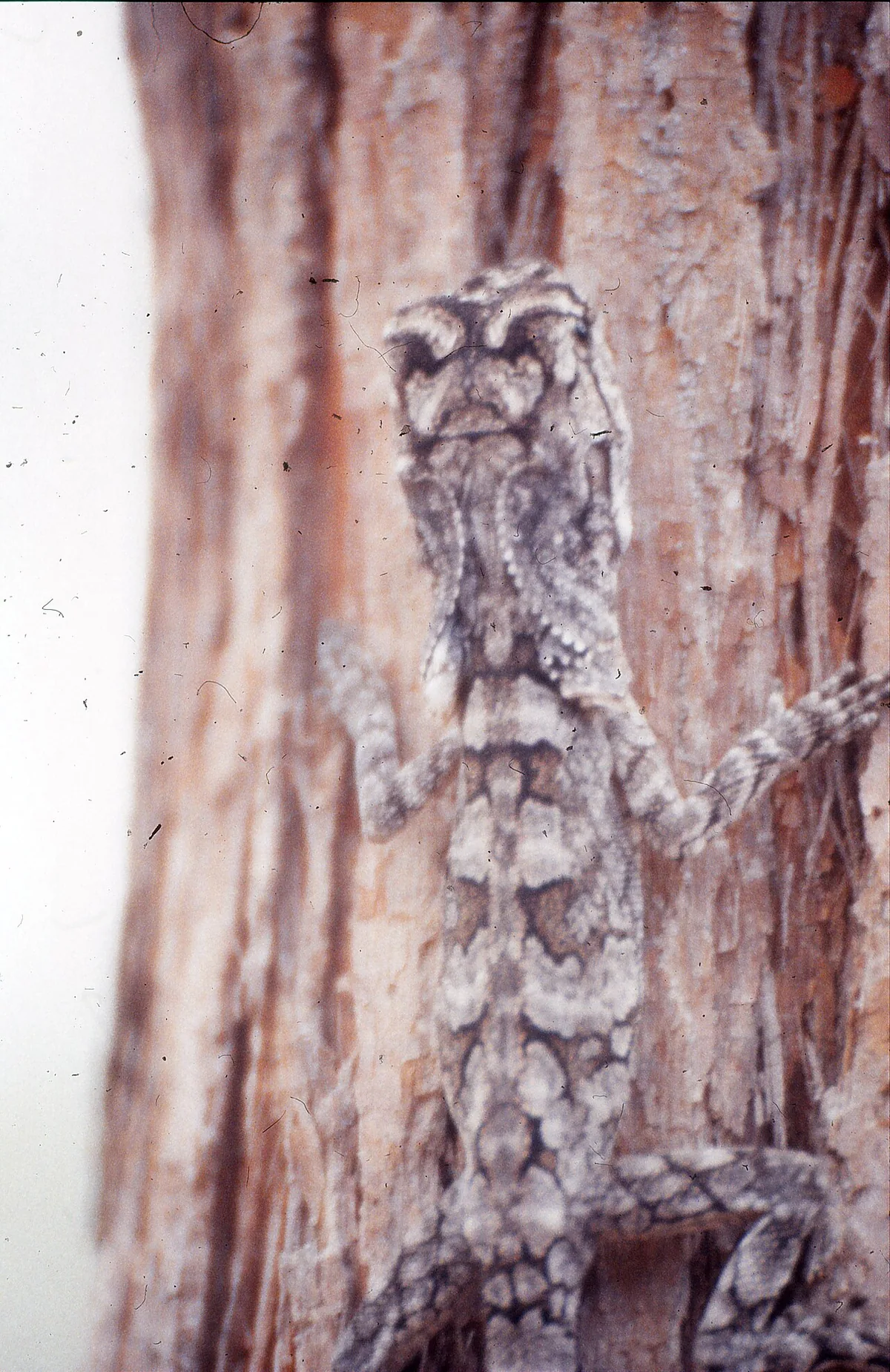
Frilled Dragon
Australian dragon with the iconic neck frill. Larger than bearded dragons, more arboreal.
Read the full care guide →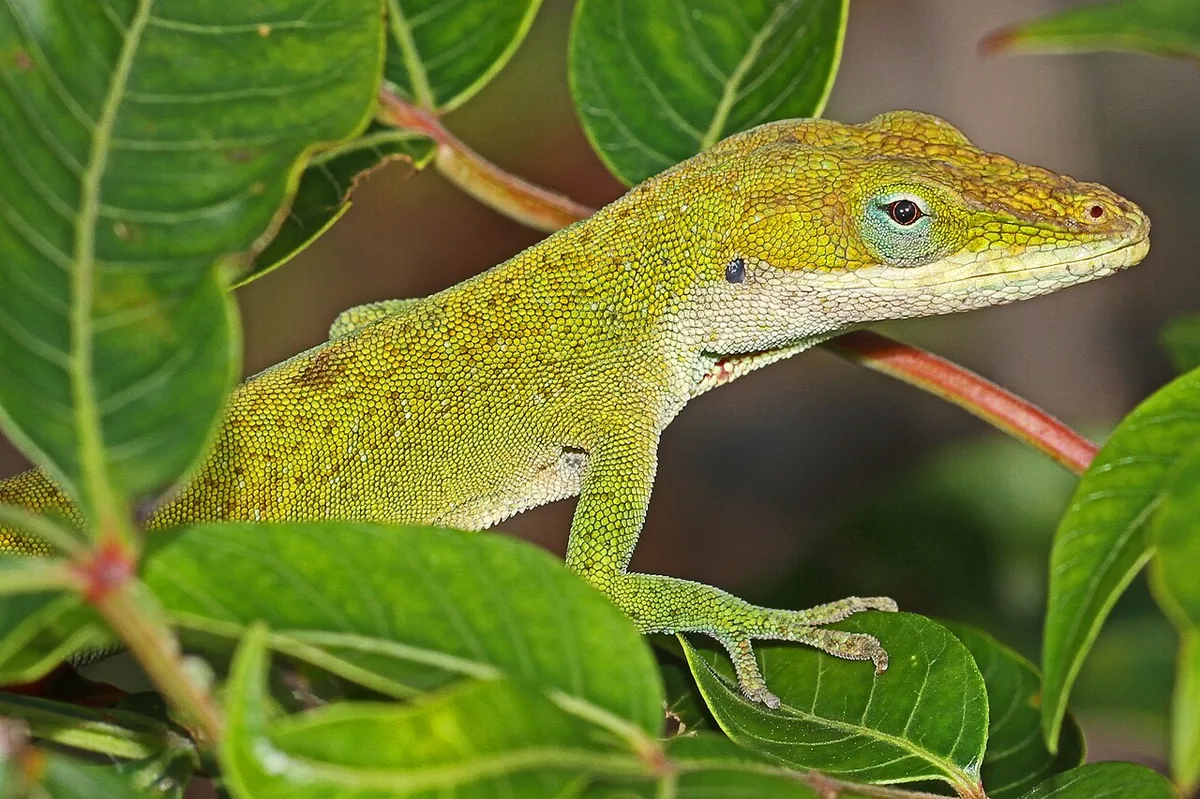
Green Anole
Small bright green diurnal lizard native to the southeastern US. Cheapest popular pet lizard.
Read the full care guide →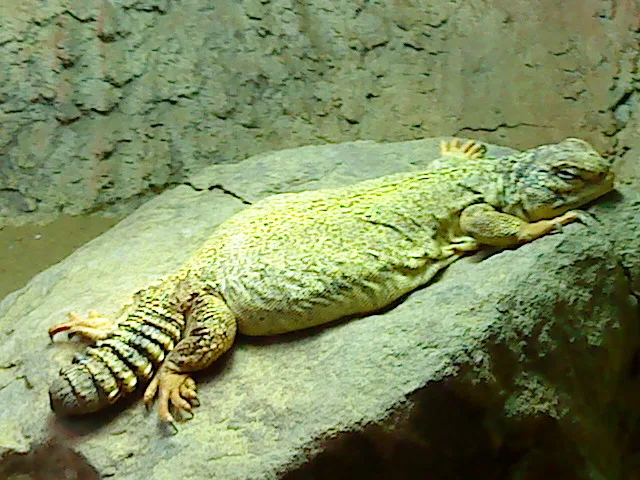
Red Niger Uromastyx
The bright red-orange Saharan uromastyx our editor keeps. A true herbivore (no insects, ever) that basks hotter than almost any pet lizard, 120-130°F. Get the heat and the dryness right and they thrive for 12-15 years.
Open the Red Niger Uromastyx guide →
Rankin's Dragon
The smallest bearded dragon species, about half the size of a standard beardie, with the same docile temperament. Great in a smaller enclosure. Watch for animals sold as "Rankin's" that are really bearded dragon hybrids.
Open the Rankin's dragon guide →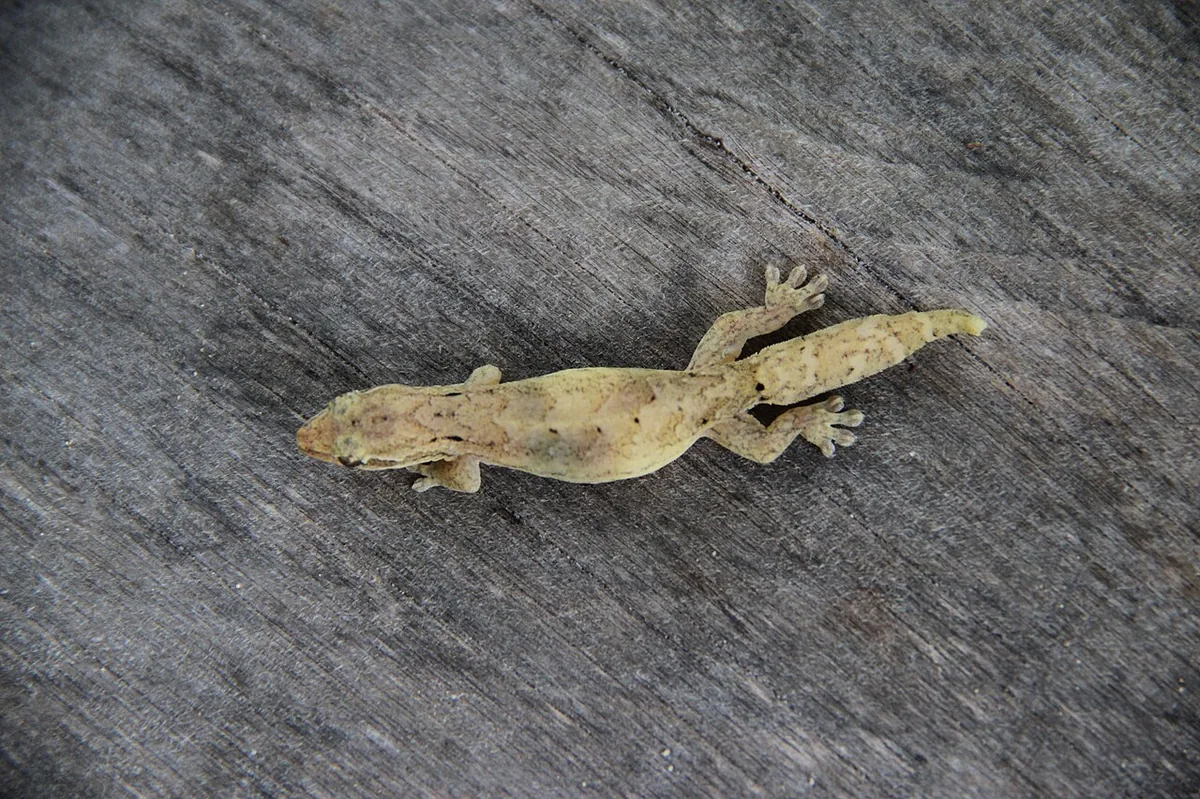
Mourning Gecko
A tiny arboreal gecko that reproduces by cloning, so colonies are all-female and no male is needed. Room-temperature care and a powdered diet make it an easy display species. The catch: they multiply, so plan ahead.
Open the mourning gecko guide →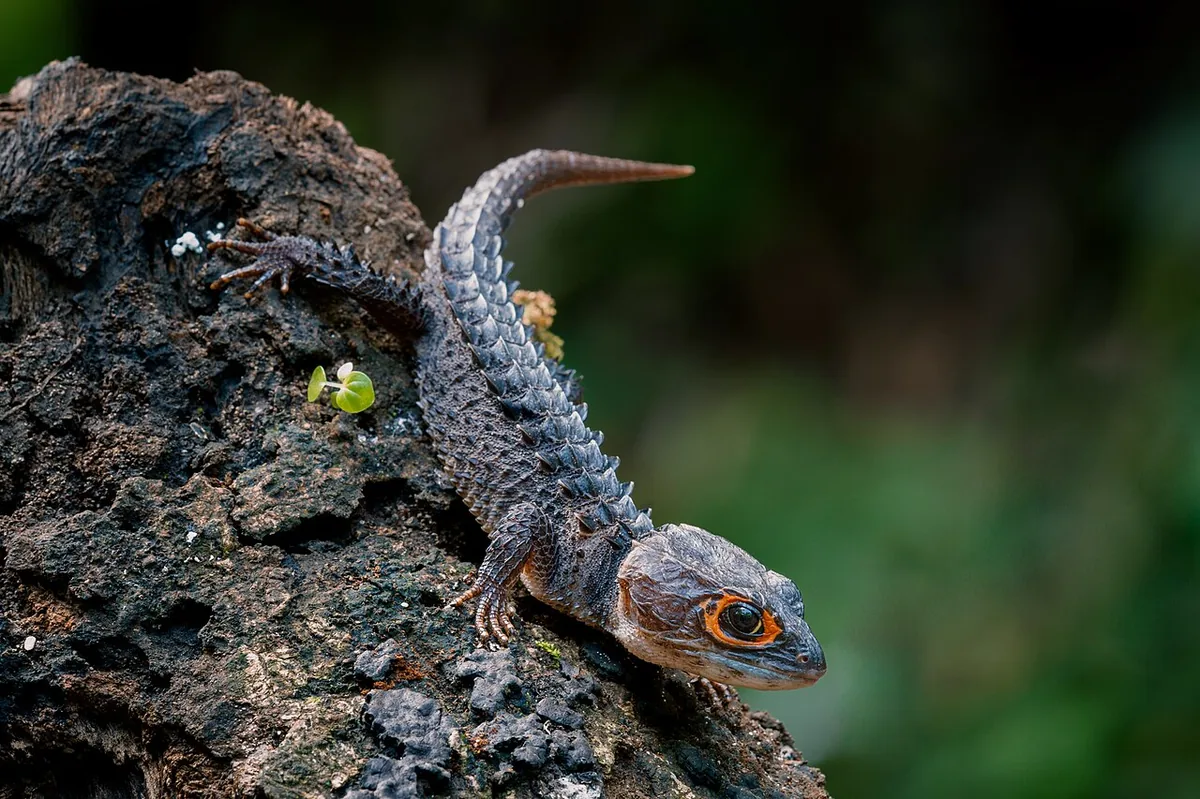
Red-Eyed Crocodile Skink
A 6-8 inch armored skink that looks like a tiny dragon. Cool and humid, not hot and dry, which is where most care sheets go wrong.
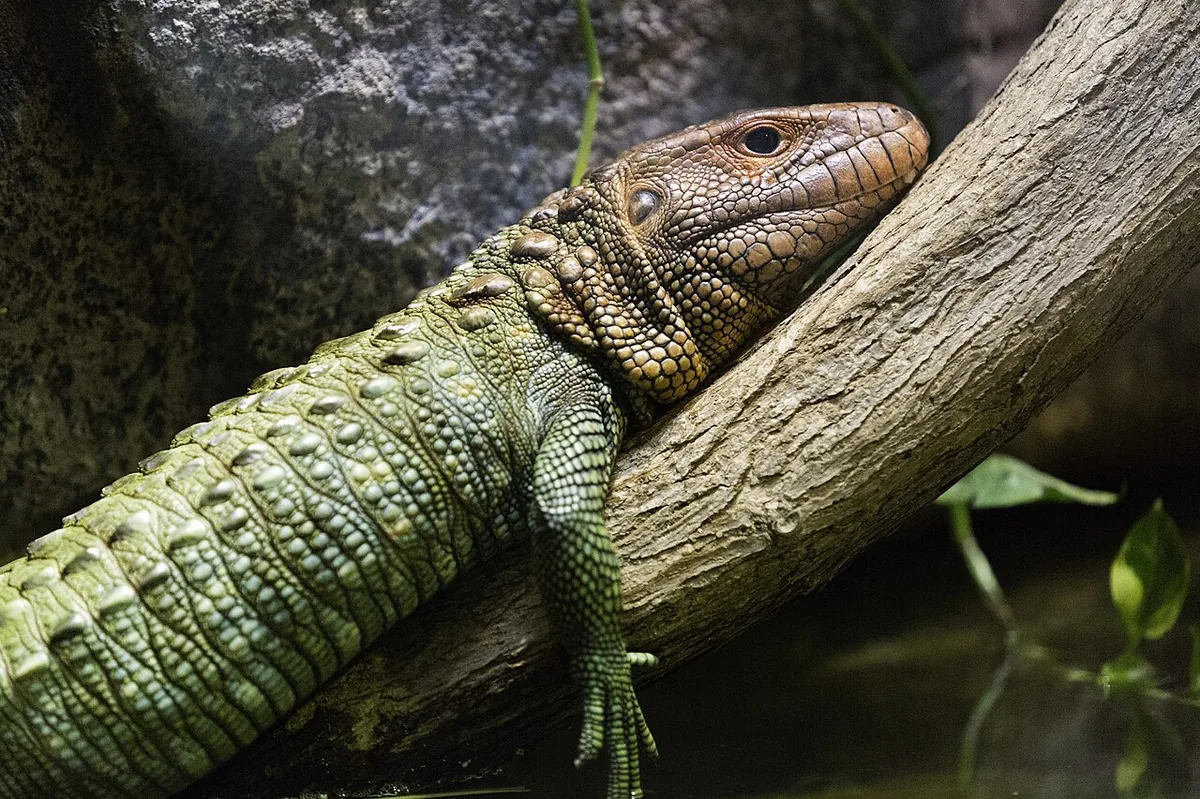
Caiman Lizard
A four-foot semi-aquatic lizard with bead-like crushing teeth built for snails. The enclosure is a construction project, not a purchase.
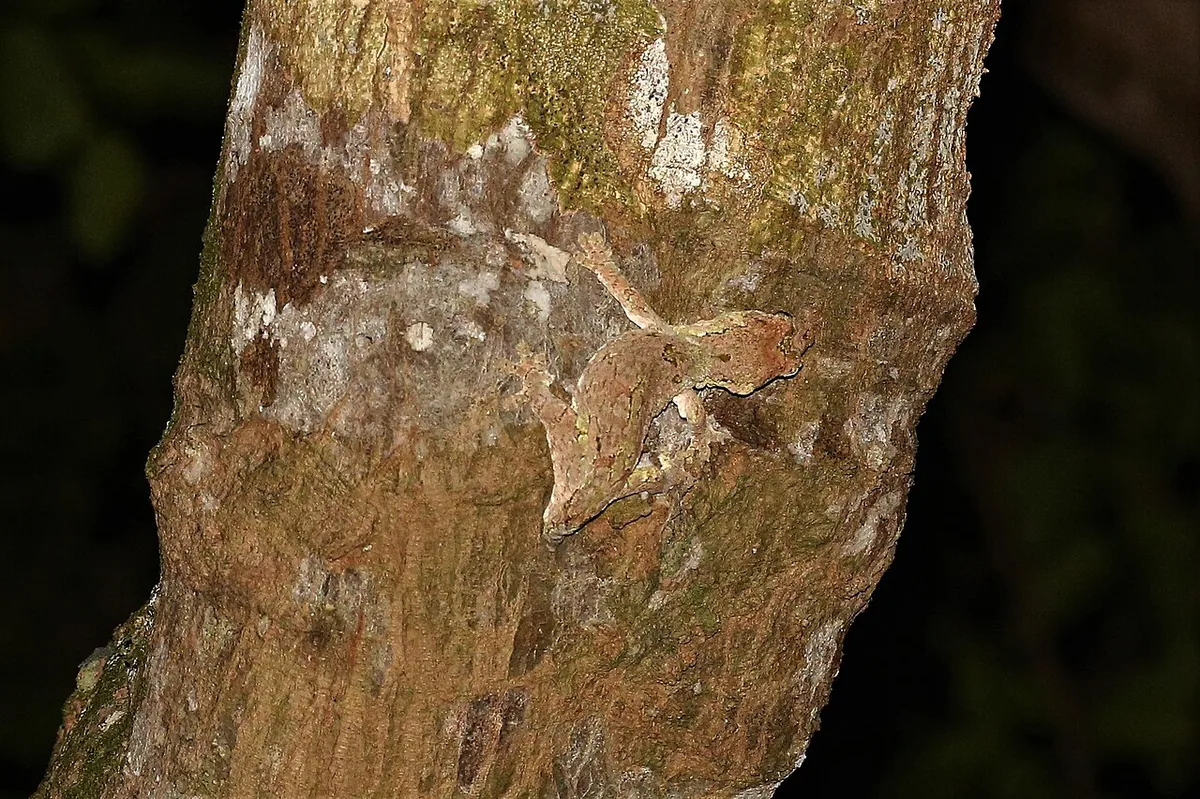
Chahoua Gecko
A large New Caledonian gecko with mossy camouflage and a prehensile tail. Needs considerably more insects than a crested gecko.
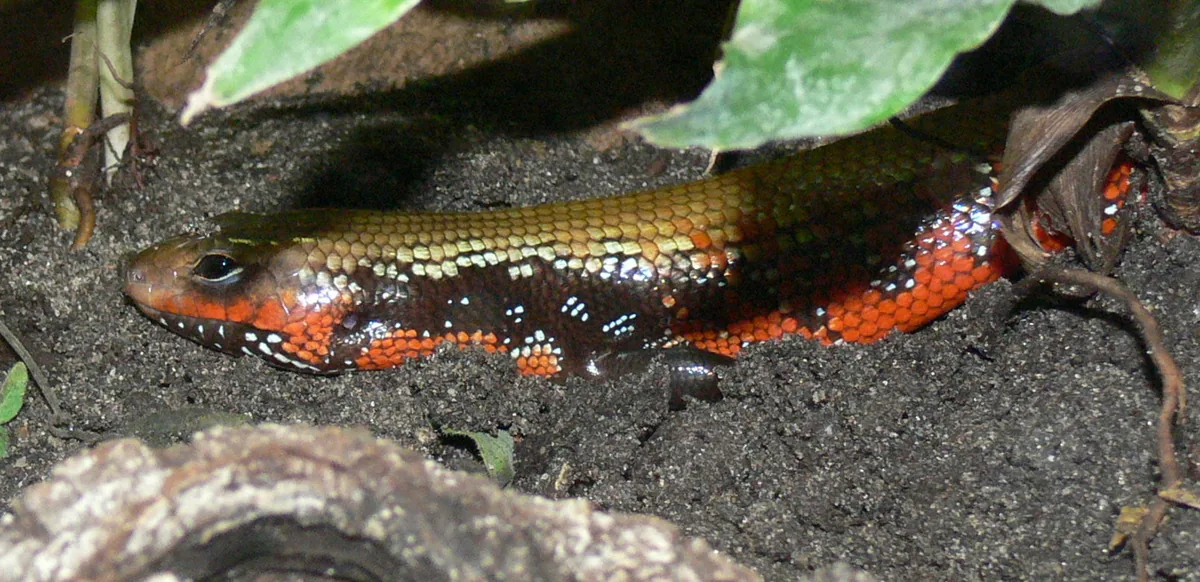
Fire Skink
Spectacular red, black and gold flanks on a lizard you will often not see. Deep substrate is correct husbandry, even though it hides them.
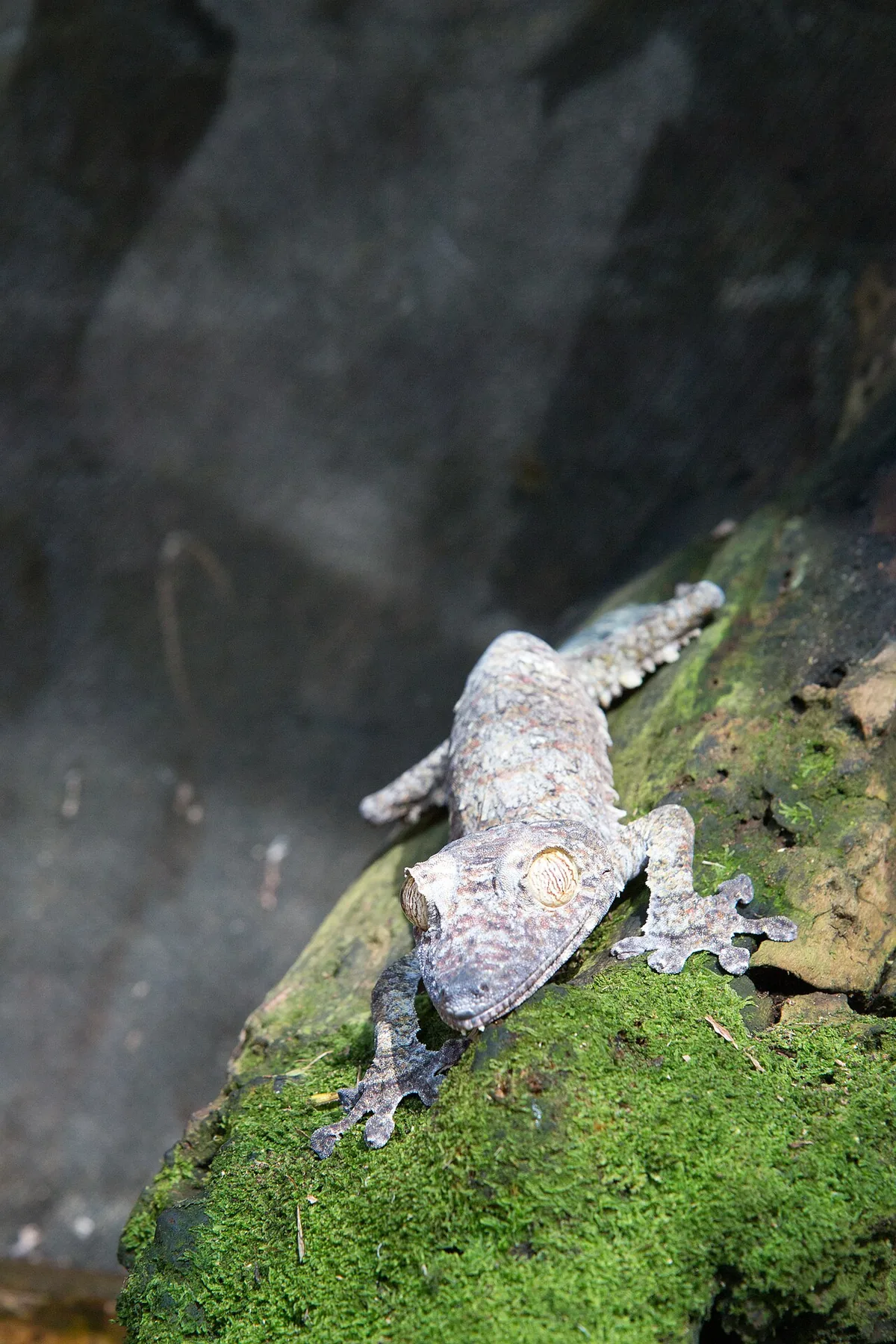
Leaf-Tailed Gecko
Uroplatus is a genus, not one animal: species run from under 3 inches to over a foot. Captive bred live 7-10 years, wild caught 2-5.
Read the full care guide →What every pet lizard needs
- An enclosure sized for the adult. Many lizards outgrow their first tank quickly. Get the adult size right from the start where possible, it's almost always cheaper than upgrading later.
- Species-appropriate UVB lighting. The biggest welfare issue in captive lizards. Most species need UVB to synthesize vitamin D3 and metabolize calcium. Inadequate UVB causes metabolic bone disease, slow, painful, often fatal.
- A proper basking spot with a measurable temperature gradient across the enclosure. Most lizards need to thermoregulate behaviorally.
- Diet variety. Captive lizards on monotonous diets develop nutritional deficiencies even when individual food items are "correct." Variety matters.
- Hides and visual barriers. Even diurnal lizards need spaces to feel safe.
- A reptile vet before you need one. ARAV's directory is the place to start.