Argentine Black and White Tegu Care Guide
Reality check before reading further
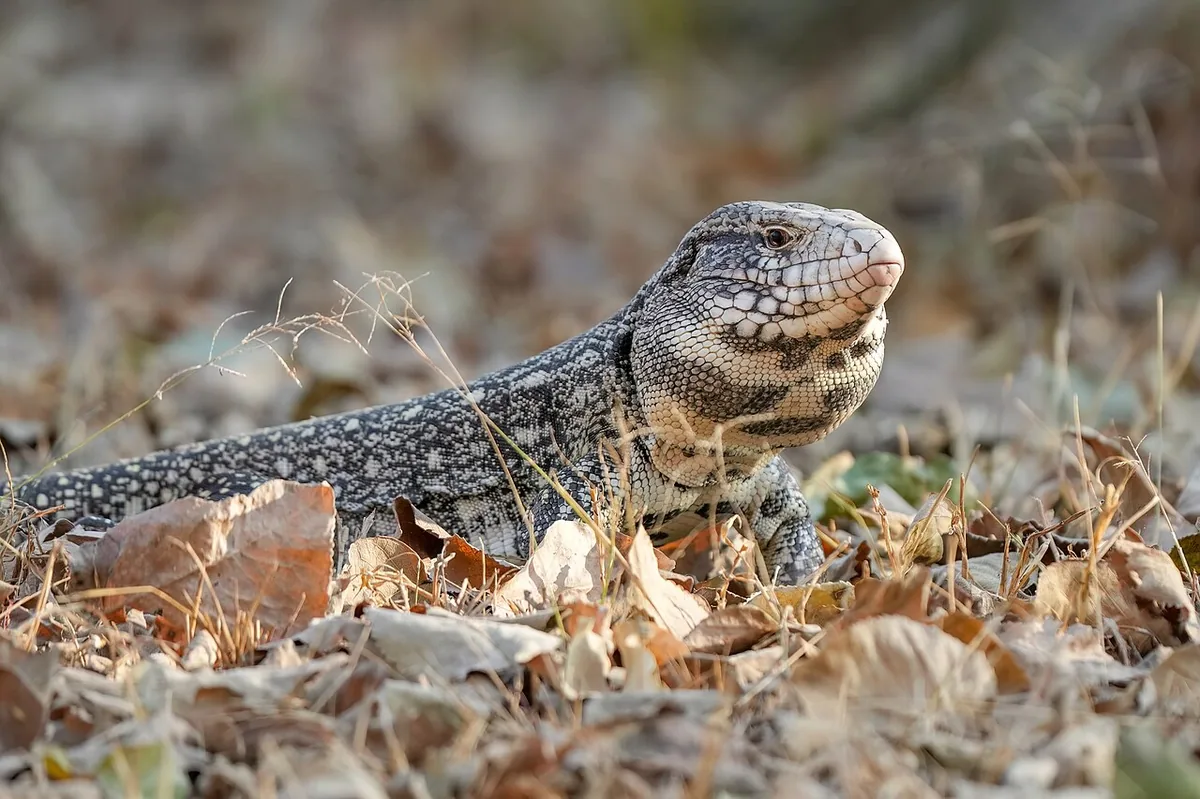
Argentine tegus are amazing animals, among the most intelligent and interactive reptiles available. They're also large, expensive to feed, and require enclosure space that very few keepers can actually provide.
Most adult tegus surrendered to rescues are surrendered because the owner bought a 9-inch hatchling without understanding what a 4-foot adult requires. By the time the animal needs the 8x4x4 enclosure, the keeper is overwhelmed.
If you can genuinely commit to adult housing (a custom-built large enclosure or a dedicated room with proper heat, UVB, and substrate), tegus are wonderful. If you can't, choose a different lizard.
Size
Adult Argentine tegus: 3.5-4.5 feet total length (about half tail), 15-25 pounds. Some males exceed 5 feet and 30 pounds. Females slightly smaller. Hatchlings start around 8-10 inches.
Lifespan
15-20+ years in captivity. The animal will be in your life for two decades.
Adult enclosure
Minimum: 8 ft × 4 ft × 4 ft (240 × 120 × 120 cm). This is typically a custom build, commercial enclosures rarely come this large. Options include:
- Custom-built PVC or sealed wood enclosure (most common)
- Converted closet or small room with appropriate finish
- Heated outdoor enclosure in warm climates (with predator-proofing)
Setup: deep substrate (12+ inches of topsoil/sand/cypress mulch, tegus burrow extensively), large hides, substantial water container (large enough to soak), basking platform, climbing structures.
Temperature
- Basking surface: 110-120°F (43-49°C), high. They are sun-baskers.
- Ambient warm: 85-90°F
- Cool side: 75-80°F
- Night: 70-75°F
- During brumation: 55-65°F throughout enclosure for ~3 months
Multiple heat sources (basking lamp, ceramic heat emitter, radiant heat panel) often needed to heat the large enclosure adequately.
UVB
Required. T5 HO Arcadia 12% Desert or Reptisun 10.0 T5 HO, mounted above the basking area. For large enclosures, multiple bulbs cover the activity space.
Diet
Omnivorous. Diet shifts with age: juveniles eat more animal protein; adults consume more variety including fruit and vegetable matter.
Animal protein (varies): Lean meats (chicken, turkey, occasional lean beef), whole prey (mice, rats, chicks, appropriate to age), eggs (cooked, with shell), insects, fish, snails. Cooked meat is safer than raw for captive feeding.
Vegetables: Collard, dandelion, mustard greens, squash, peppers, sweet potato.
Fruits: Berries, banana, mango, papaya, melon. Tegus love fruit; use moderately.
Avoid: Processed foods, avocado, onions, garlic, chocolate, dog food as staple.
Feeding schedule:
- Juveniles (under 1 year): daily, high-protein focus
- Sub-adults (1-2 years): every other day
- Adults: 2-3 times per week, often less during brumation prep
Calcium dust on insects; multivitamin weekly.
Brumation
Argentine tegus naturally brumate (hibernate) during winter months, typically October-March in their native range. Captive tegus often show natural brumation cues even when kept warm, appetite drops, activity decreases, they spend more time in burrows.
You can either support natural brumation (reducing temperatures, food, and lighting gradually for 3-4 months) or keep the tegu warm year-round (which suppresses brumation behavior). Most experienced keepers support natural brumation as it appears to benefit long-term health and reproduction.
Don't brumate sick or underweight animals.
Handling and temperament
Tegus are intelligent, individual-personality animals. Many can be habituated to high levels of handling and develop something resembling a relationship with their keeper. Others remain reserved. Bites from adults are serious, tegus have powerful jaws and can cause real injury, but trained adults rarely bite.
Daily handling and gentle interaction starting in the juvenile stage produces the best long-term temperament.
Common health problems
- Obesity: Very common in captive tegus, especially fed fatty meats and fruits.
- MBD: From inadequate UVB or calcium.
- Respiratory infection: From cold conditions or chronic dampness.
- Egg binding in females: Even unbred females can develop infertile eggs.
- Fatty liver disease: From chronically high-fat diet without proper exercise.
Common tegu mistakes
- Buying without adult housing. The #1 mistake.
- Releasing unwanted tegus in Florida or Georgia. Illegal and ecologically devastating. They're invasive.
- Cohabitation. Adult tegus are territorial. Fighting can be lethal.
- Cold winters without proper heat support. A tegu in a 60°F bedroom will develop respiratory disease.
- All-meat diet. Causes kidney problems and obesity. Variety.
- Inadequate handling in juvenile stage. Adult tegus that weren't handled as juveniles are often very defensive.
Better alternatives if you can't commit to adult housing
- Blue-tongued skink: similar omnivore diet, much smaller adult, more reasonable enclosure
- Bearded dragon: handleable, omnivorous, manageable adult size