AMPHIBIAN CARE GUIDES
Amphibians, different rules than reptiles.
Amphibians breathe through their skin. That single fact changes nearly every husbandry consideration: water quality matters as much as air quality, hands carry chemicals that harm them, and minor mistakes that reptiles forgive can be lethal for amphibians. We cover the differences honestly.
Choose your amphibian
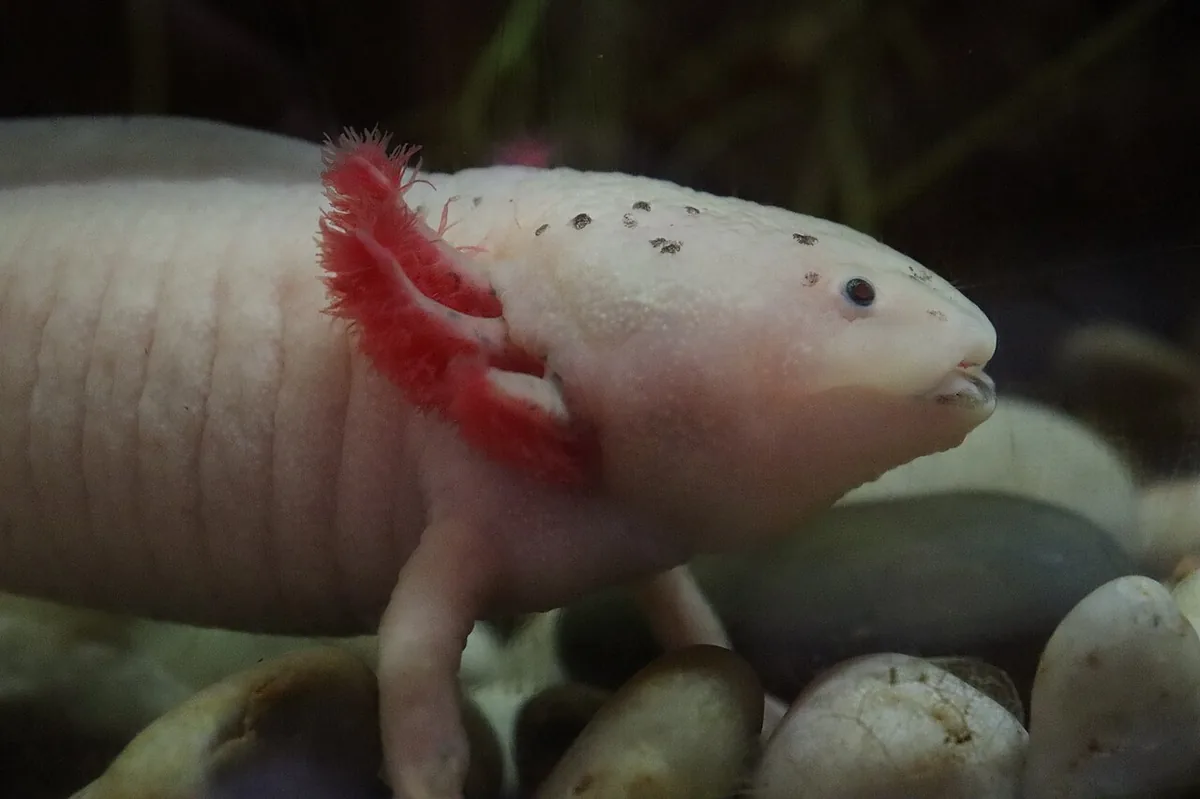
Axolotl
The famous "walking fish", actually a fully-aquatic salamander that retains larval features throughout life. Booming popularity. Hardy with proper water quality; lethal if you treat them like fish.
Open the axolotl guide →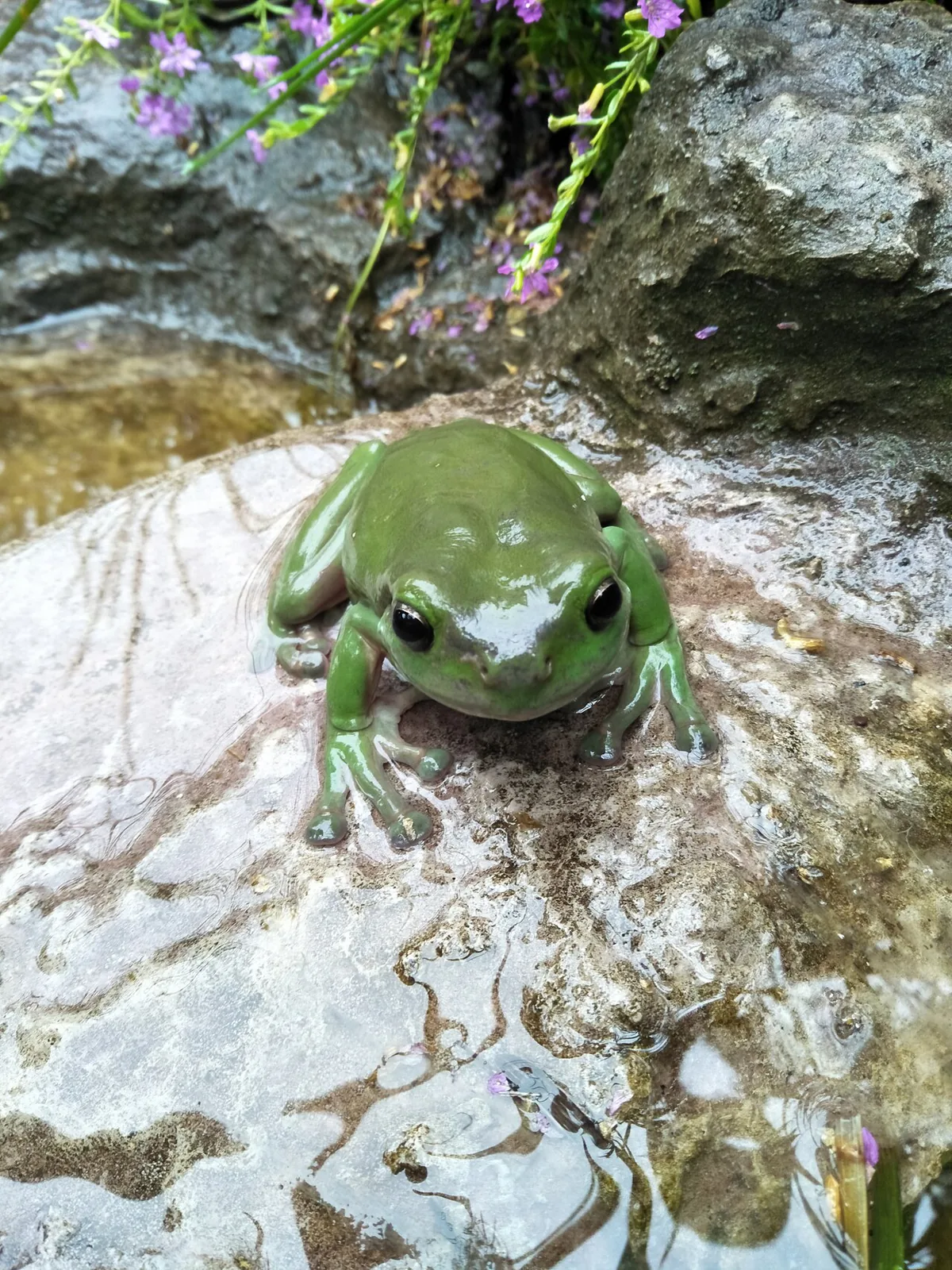
White's Tree Frog
Sometimes called "dumpy tree frog", large, chunky, calm, and one of the best beginner frogs. Tolerant of more handling than most amphibians and forgiving of moderate husbandry.
Open the White's tree frog guide →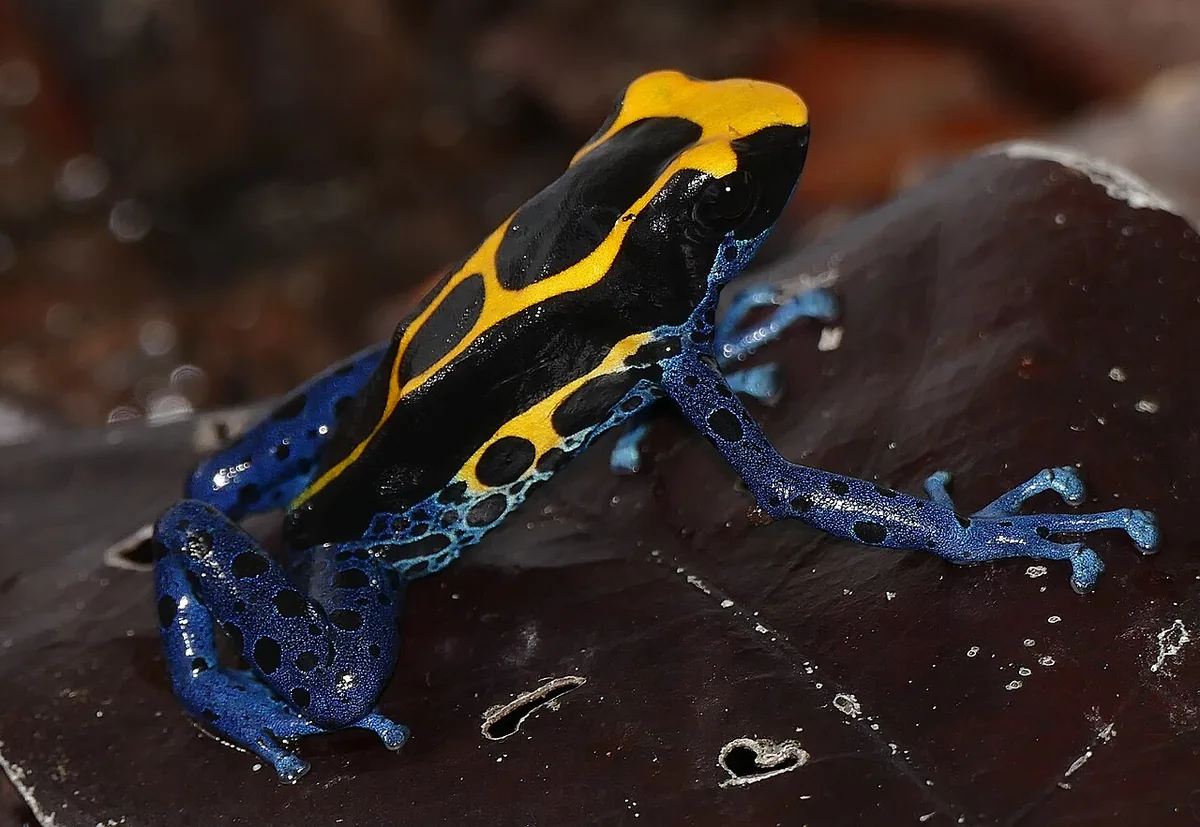
Poison Dart Frog
Captive-bred dart frogs are not poisonous. Small, brilliantly colored, active in daylight, and heat is the mistake that kills them.
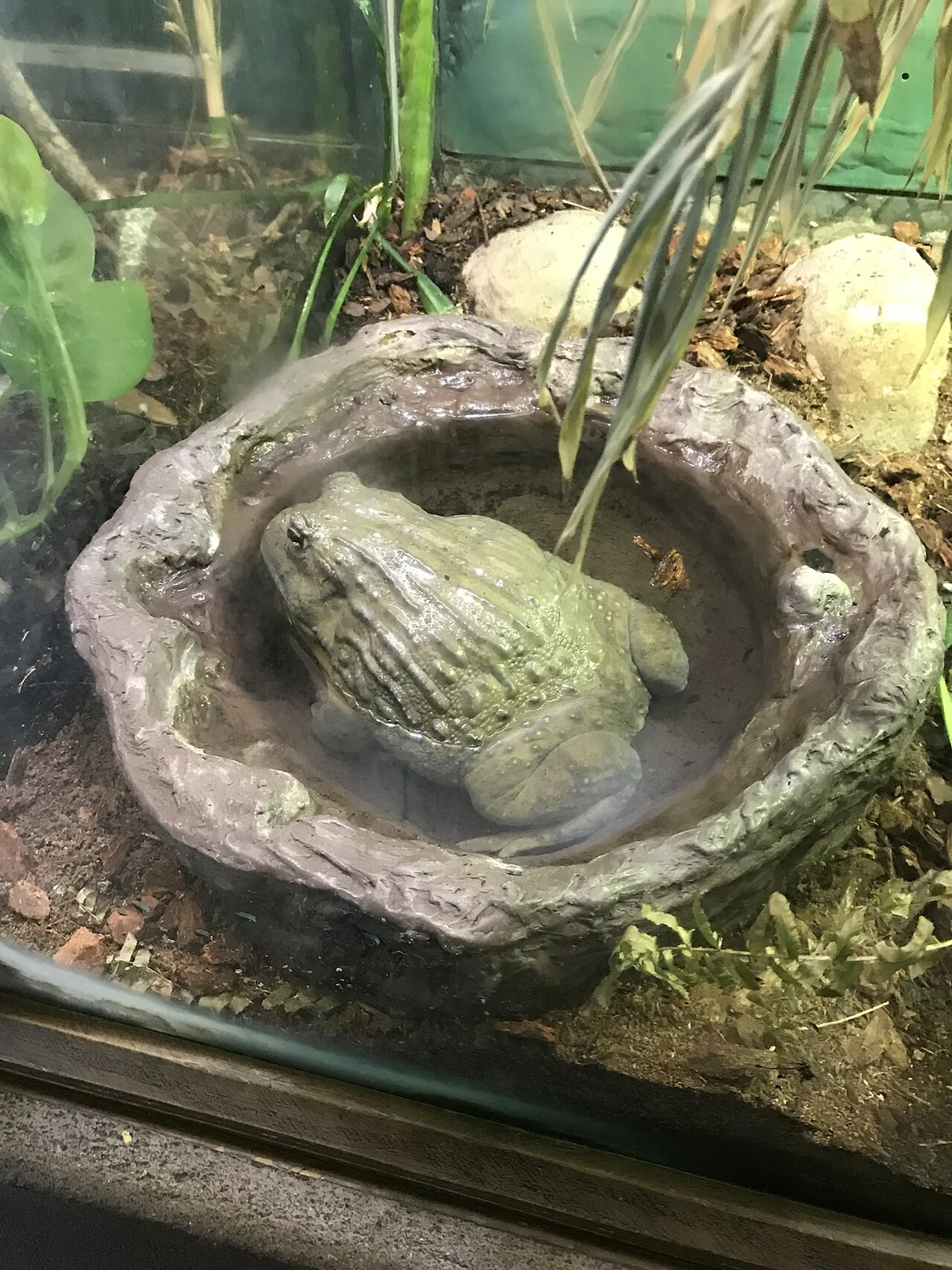
African Bullfrog
A frog that can pass a kilogram and live past 20 years. Obesity from overfeeding is the defining welfare problem of the species.
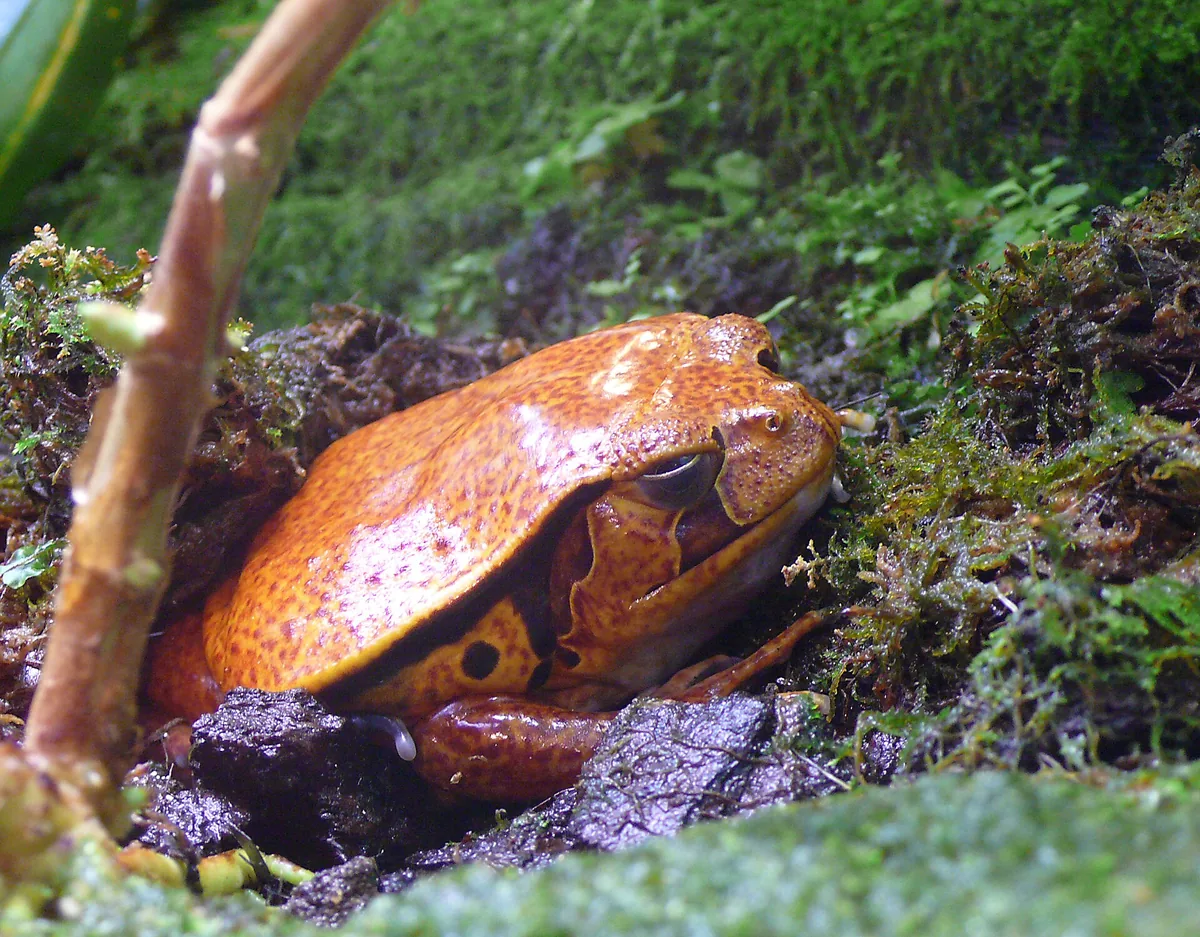
Tomato Frog
Brilliantly coloured and genuinely easy to house. The frog in the shop is nearly always the false tomato frog, not the CITES-protected one.
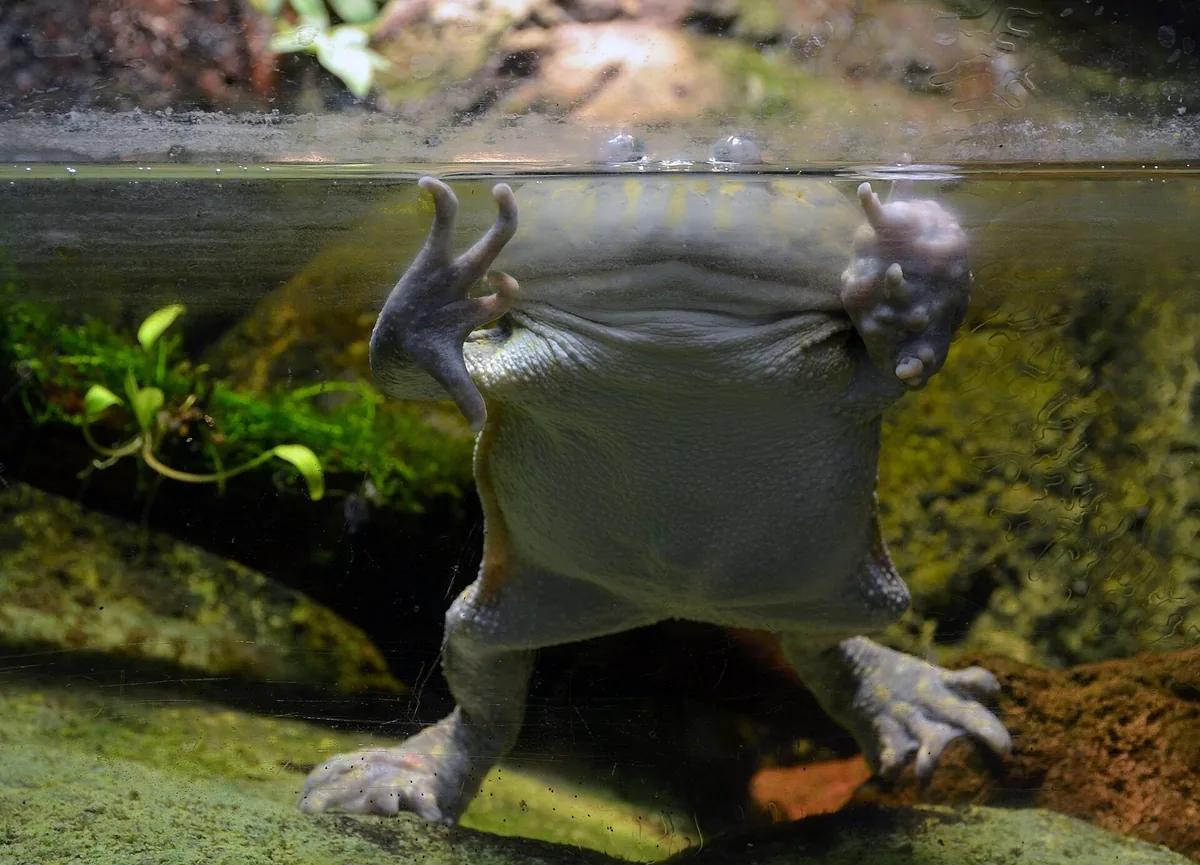
Budgett's Frog
The internet-famous face comes with sharp teeth and bony jaw projections. Fully aquatic, solitary, and it screams.
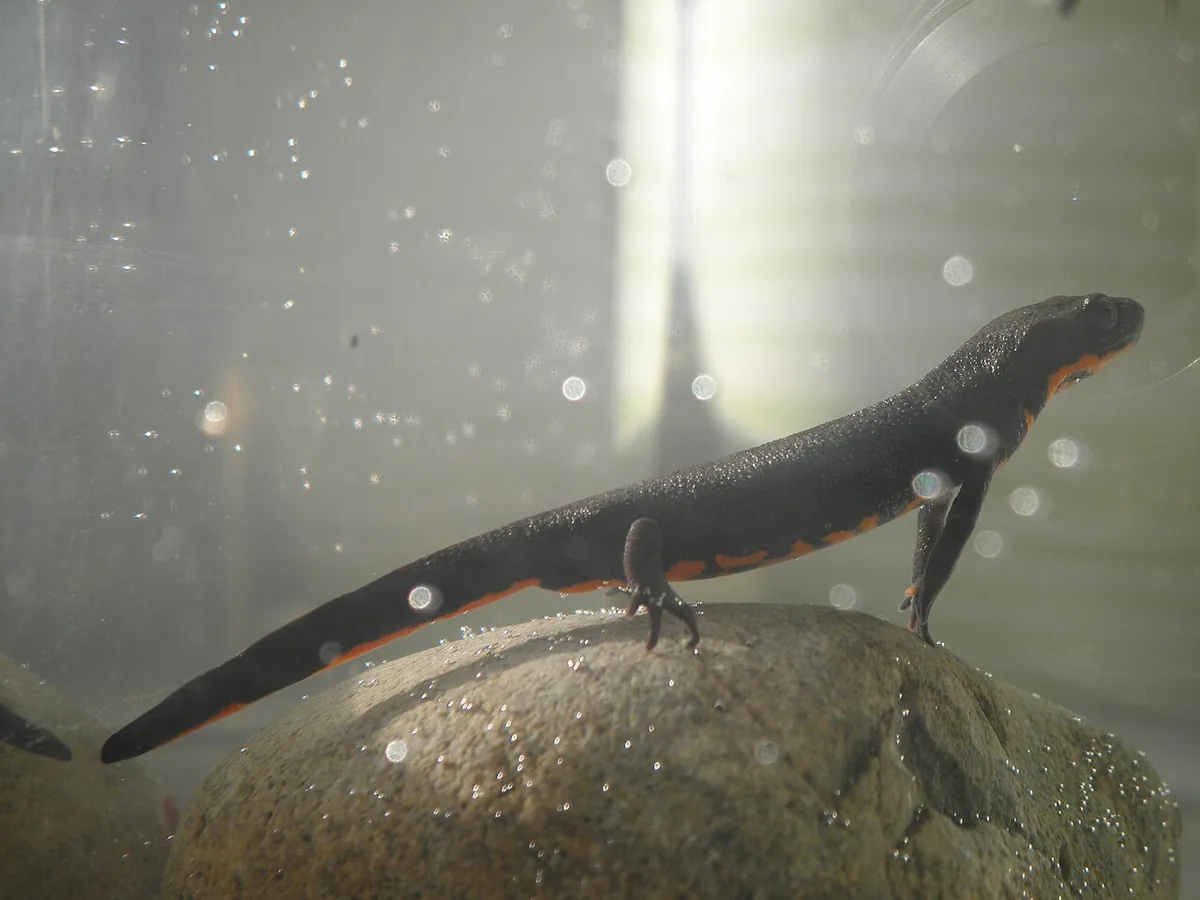
Fire-Bellied Newt
Sold as a cheap starter amphibian, lives 10-15 years, and needs genuinely cool water rather than room temperature.
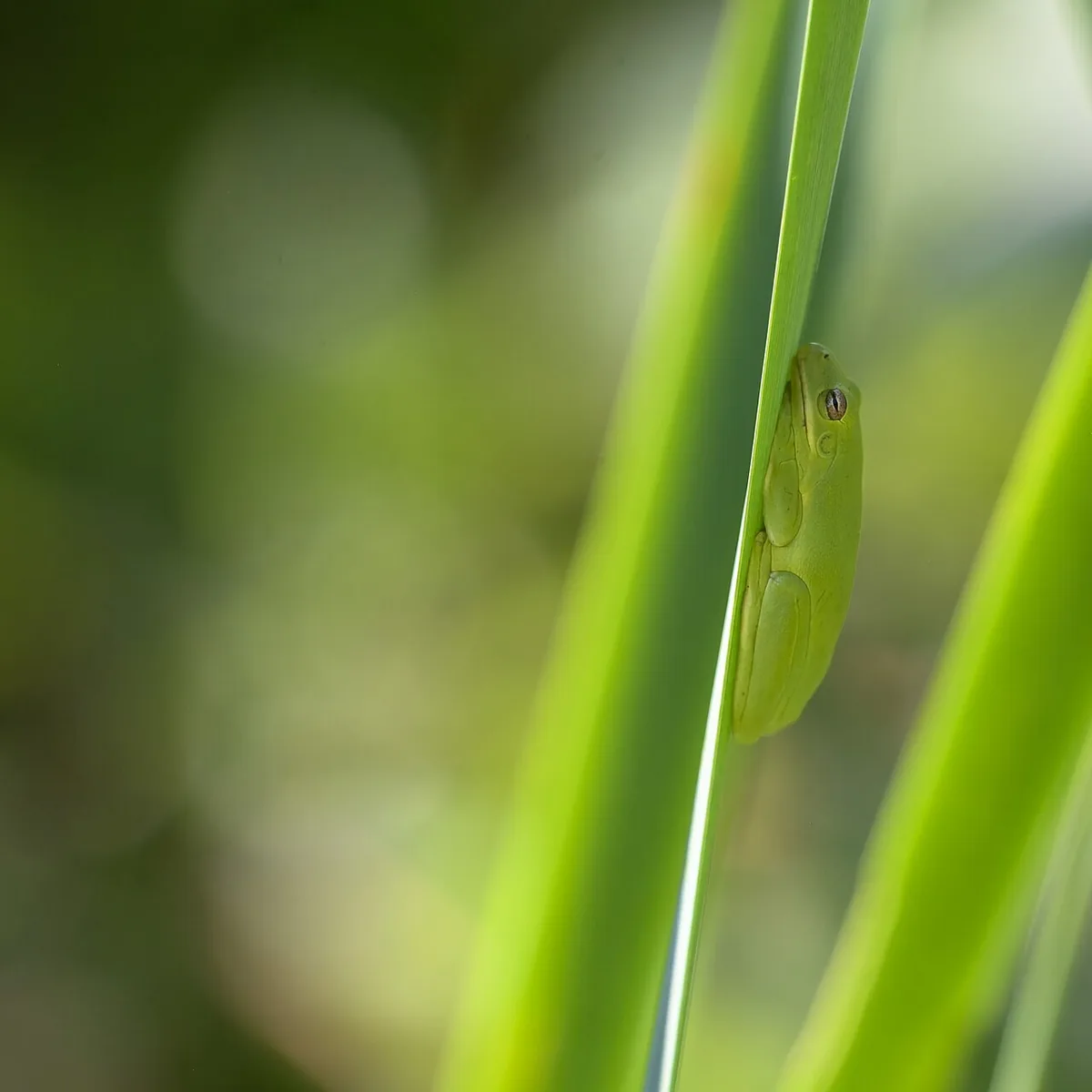
American Green Tree Frog
Small bright green North American native. Cheap and common, which is exactly why the enclosure is usually not ready in time.
Read the full care guide →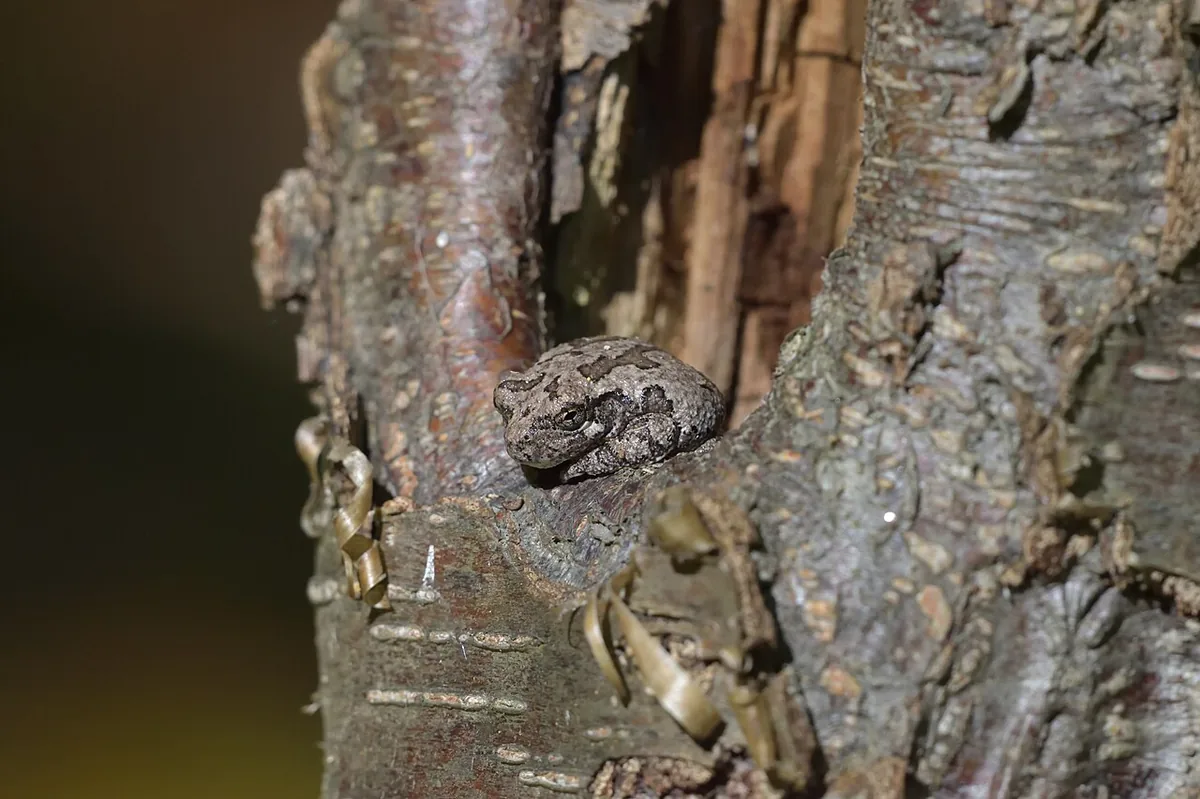
Gray Tree Frog
A small native that survives winter by letting roughly 80% of its body freeze solid, heartbeat suspended.
Read the full care guide →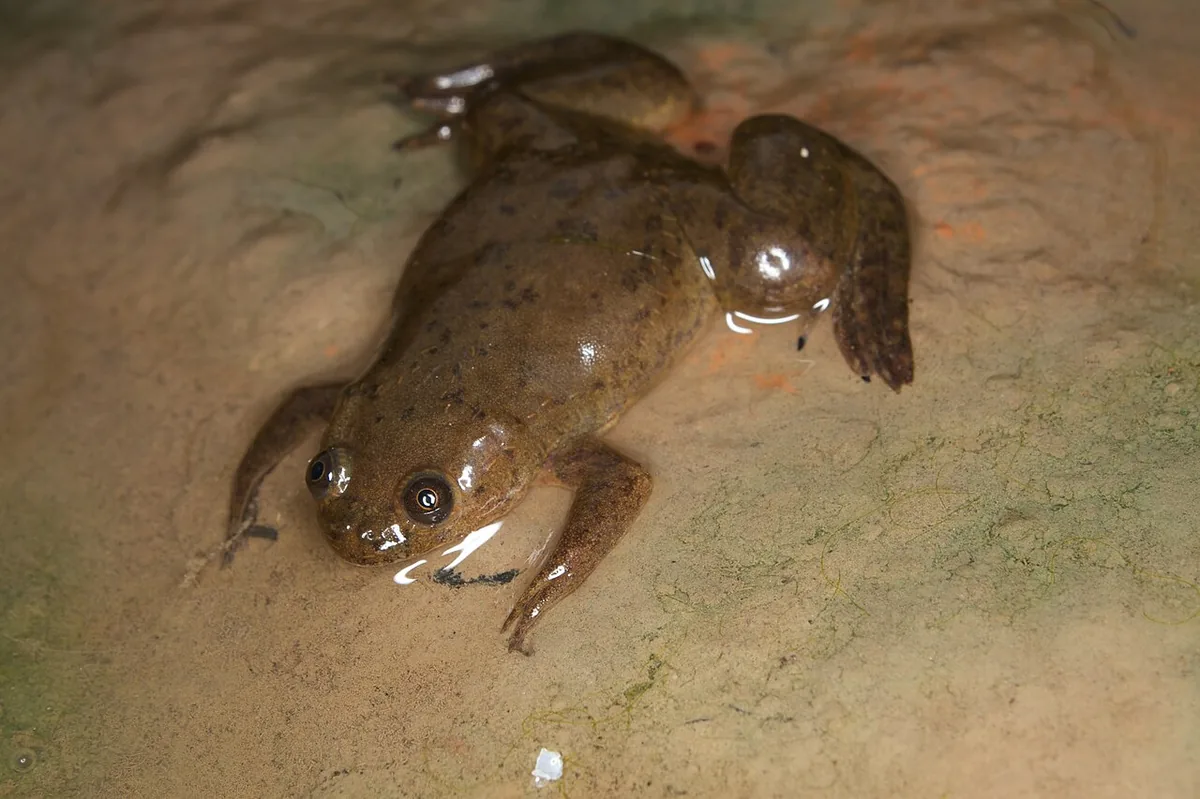
African Clawed Frog
Fully aquatic and long-lived, but illegal or permit-only in at least 12 states. Check your state before anything else.
Read the full care guide →What amphibians need (the big differences from reptiles)
- Don't handle them with bare hands. Soaps, lotions, and oils on human skin damage amphibian skin. Wet, powder-free nitrile gloves only when handling is necessary, and minimize necessity.
- Water quality matters enormously. Use dechlorinated water (Prime, ReptiSafe, or aged 24 hours). Tap water with chloramine kills aquatic amphibians within hours.
- Cooler temperatures than most reptiles. Many popular pet amphibians need 60-75°F, not basking heat. Axolotls die above 75°F.
- UVB isn't always needed. Most popular amphibians don't require UVB (axolotls definitely don't). Some tropical species benefit from low-output UVB.
- Diet is mostly live insects (terrestrial) or appropriately-sized animal protein (aquatic). Variety matters as much as for reptiles.
- Quarantine new arrivals. Chytridiomycosis is the leading driver of global amphibian decline. Buy from reputable captive-bred sources only.