TURTLE & TORTOISE CARE GUIDES
Long-lived. Often surrendered. Almost always misunderstood.
Turtles and tortoises are some of the most-mismatched pet reptiles in the United States. Sulcatas grow into 80+ pound adults. Red-eared sliders need 75-gallon-plus tanks they almost never get. Russian tortoises live 40+ years. We cover the actual commitments, not the marketing version.
Choose your turtle or tortoise
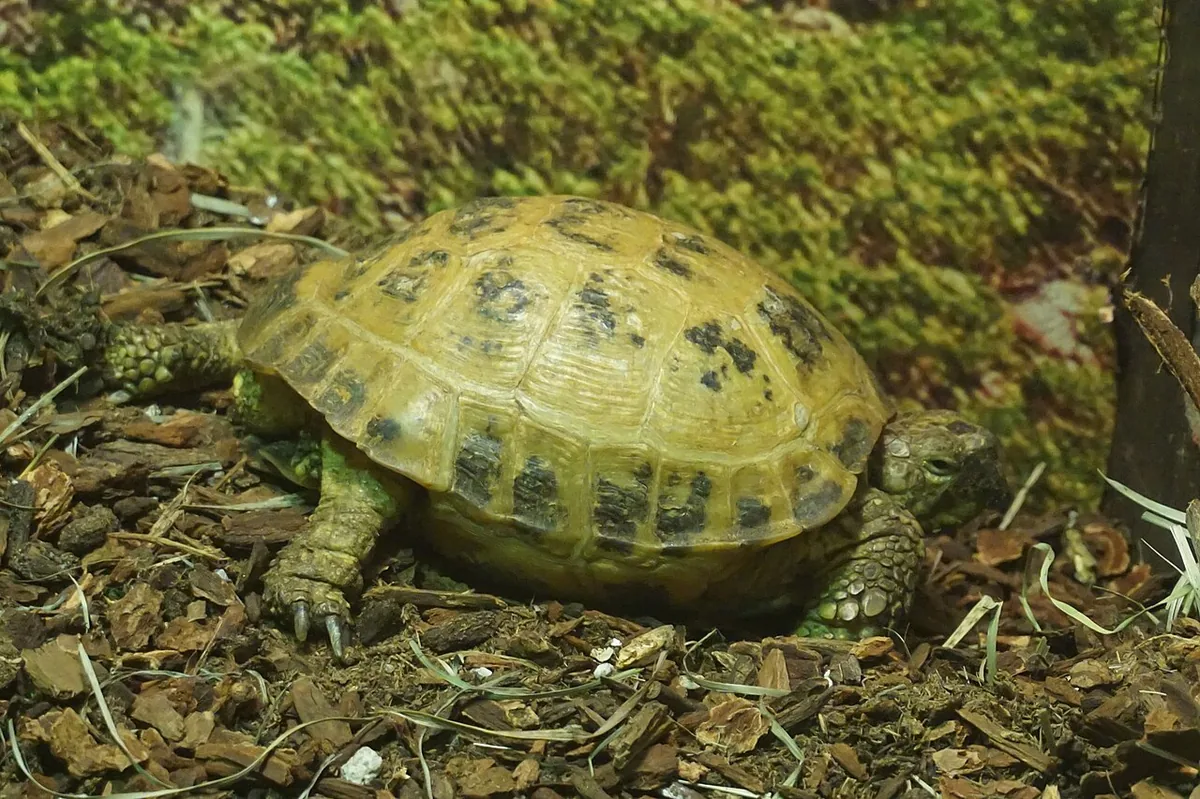
Russian Tortoise
The most commonly kept tortoise in the US. Small enough to manage. Long enough lived to outlast its first owner. Active enough to need real space, not the cramped table most are kept on.
Open the Russian tortoise guide →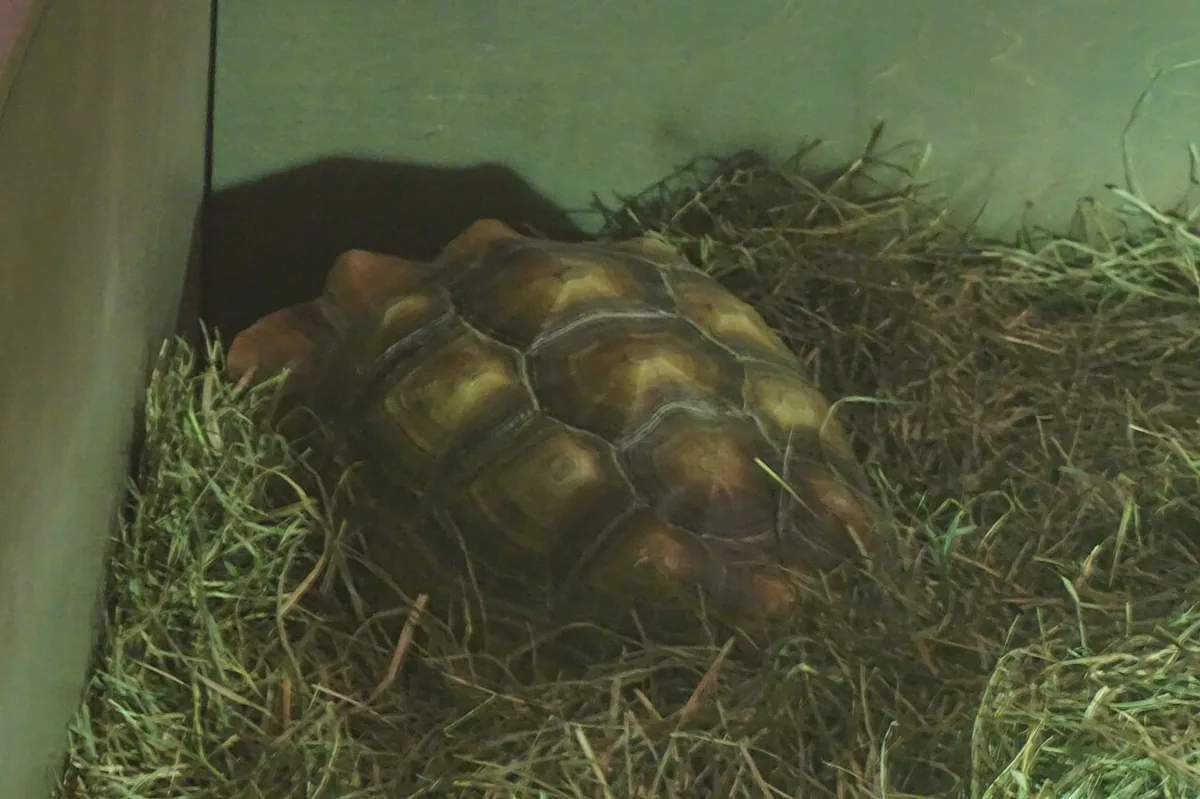
Sulcata Tortoise
The #1 surrendered reptile in the United States. The hatchling is the size of a hockey puck. The adult is the size of a large beanbag. Most people who buy them are not ready.
Open the sulcata guide →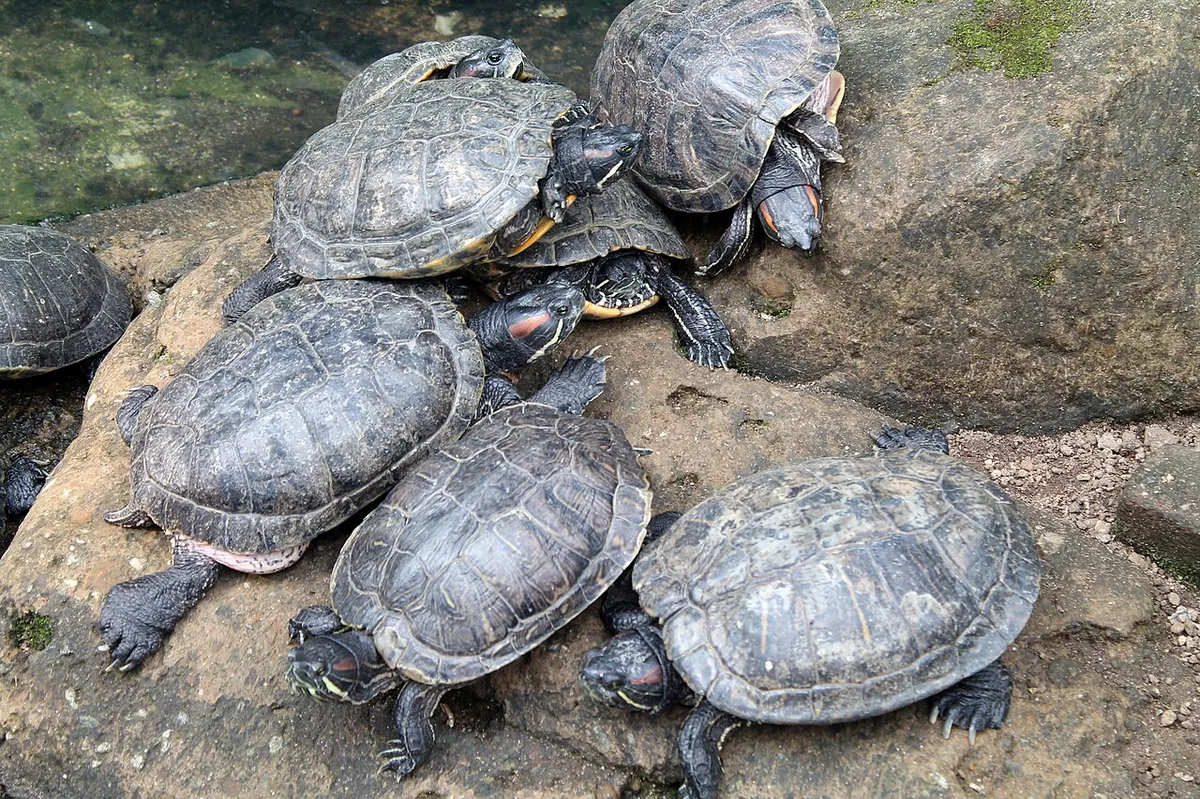
Red-Eared Slider
The classic "carnival turtle." The little 50-cent hatchling becomes a 12-inch adult that needs a 75-100+ gallon tank with strong filtration, basking platform, and UVB. Most owners discover this too late.
Open the red-eared slider guide →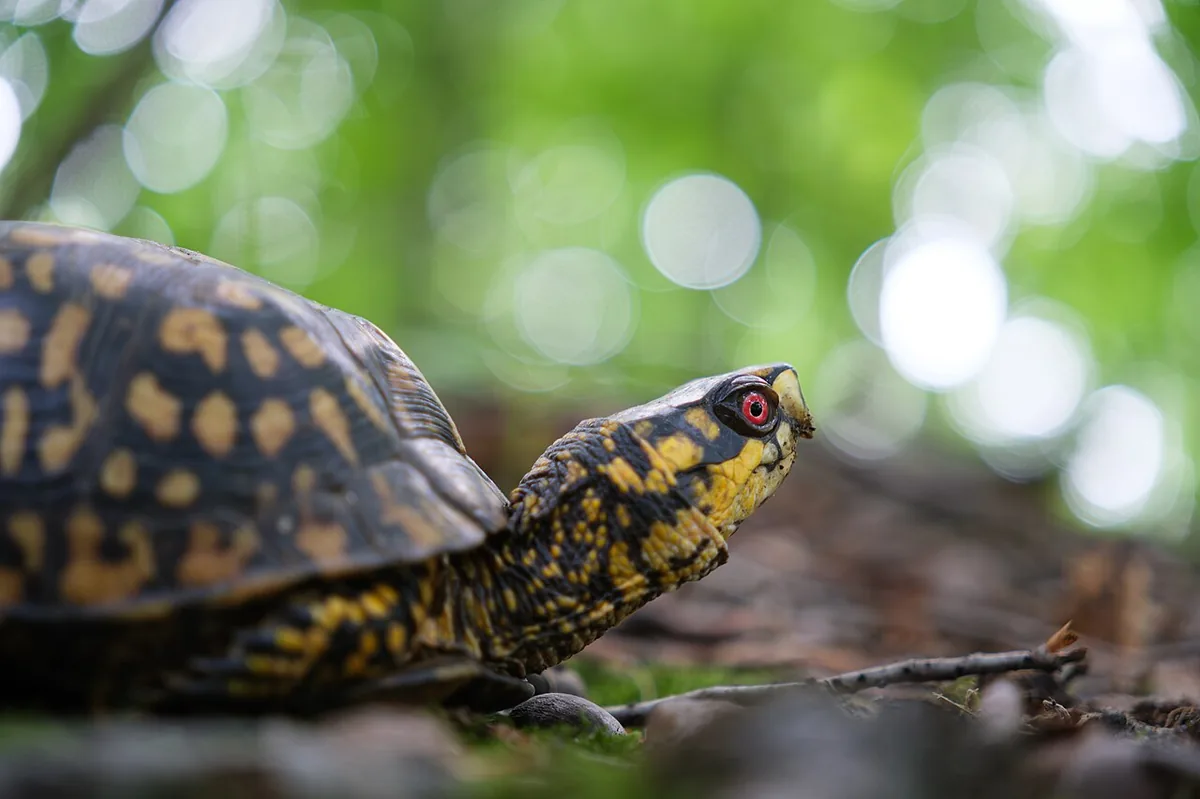
Eastern Box Turtle
Native to the eastern US. Outdoor housing strongly preferred. Long-lived omnivore that has been devastated by wild collection, only buy from captive-bred sources.
Open the Eastern box turtle guide →
Hermann's Tortoise
Popular Mediterranean tortoise. Smaller and more manageable than sulcatas. Brumates naturally.
Read the full care guide →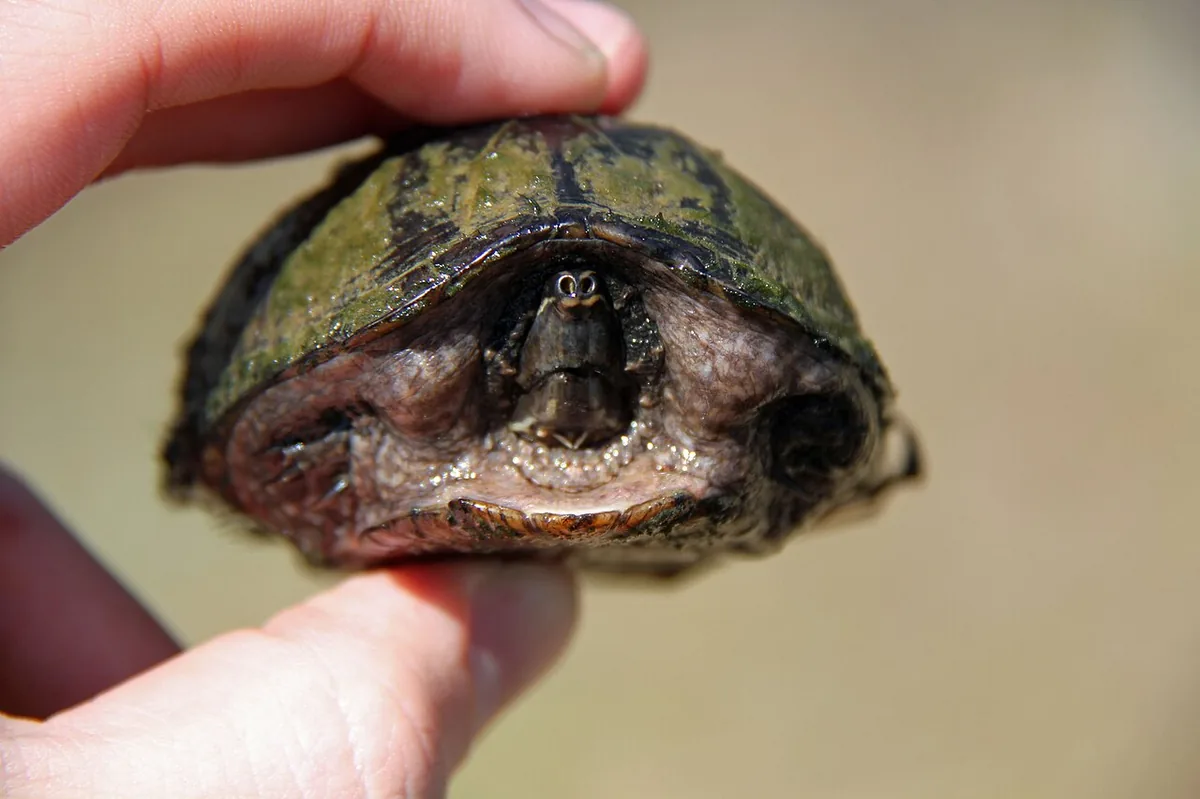
Musk Turtle
Small fully aquatic turtle. Apartment-friendly aquarium pet. Long-lived.
Read the full care guide →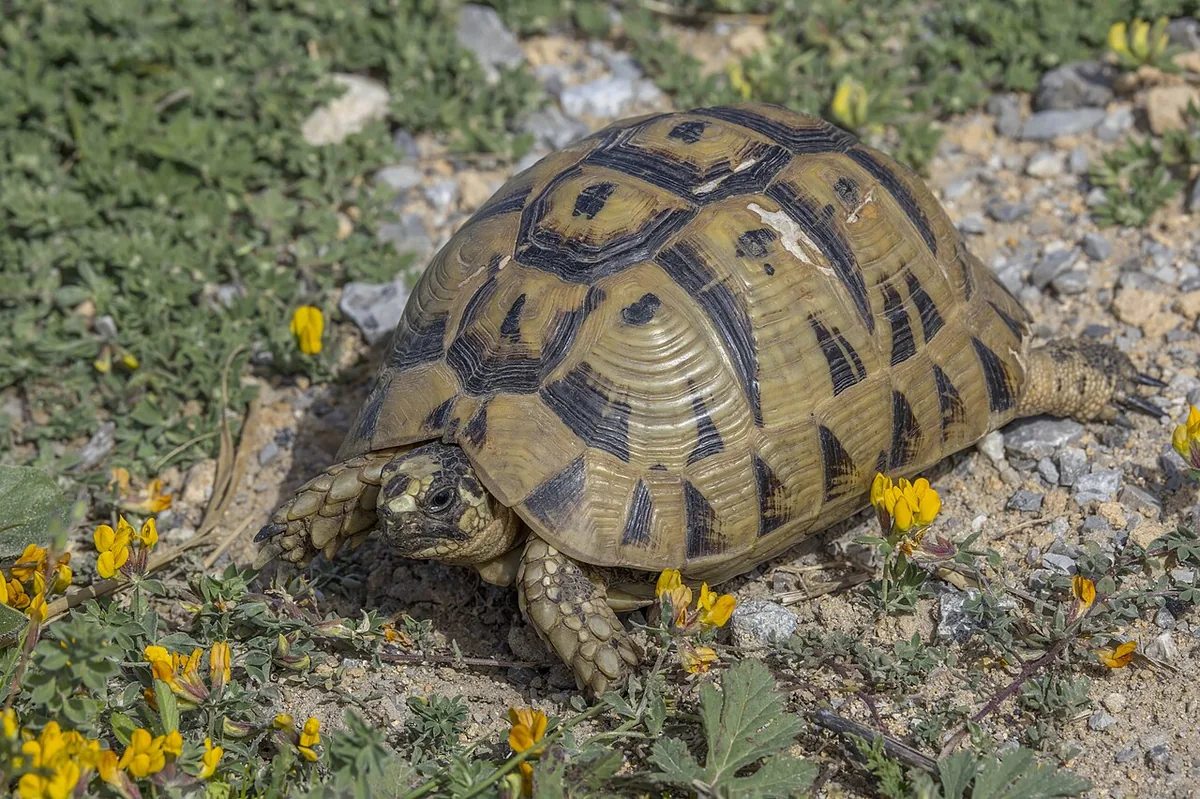
Greek Tortoise
Small Mediterranean tortoise, similar profile to Hermann's. Brumates naturally.
Read the full care guide →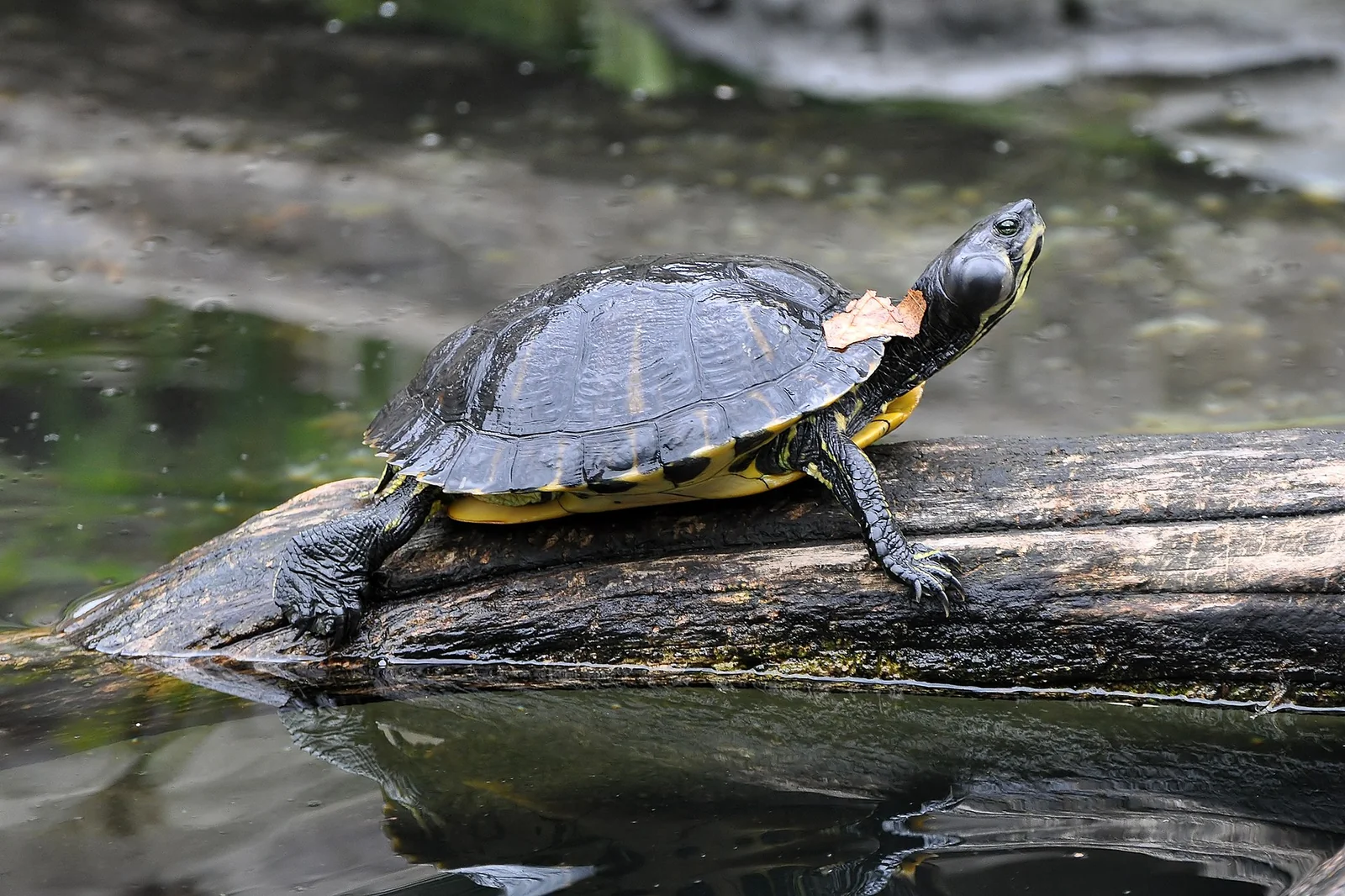
Yellow-Bellied Slider
North American aquatic turtle. Similar care to red-eared sliders.
Read the full care guide →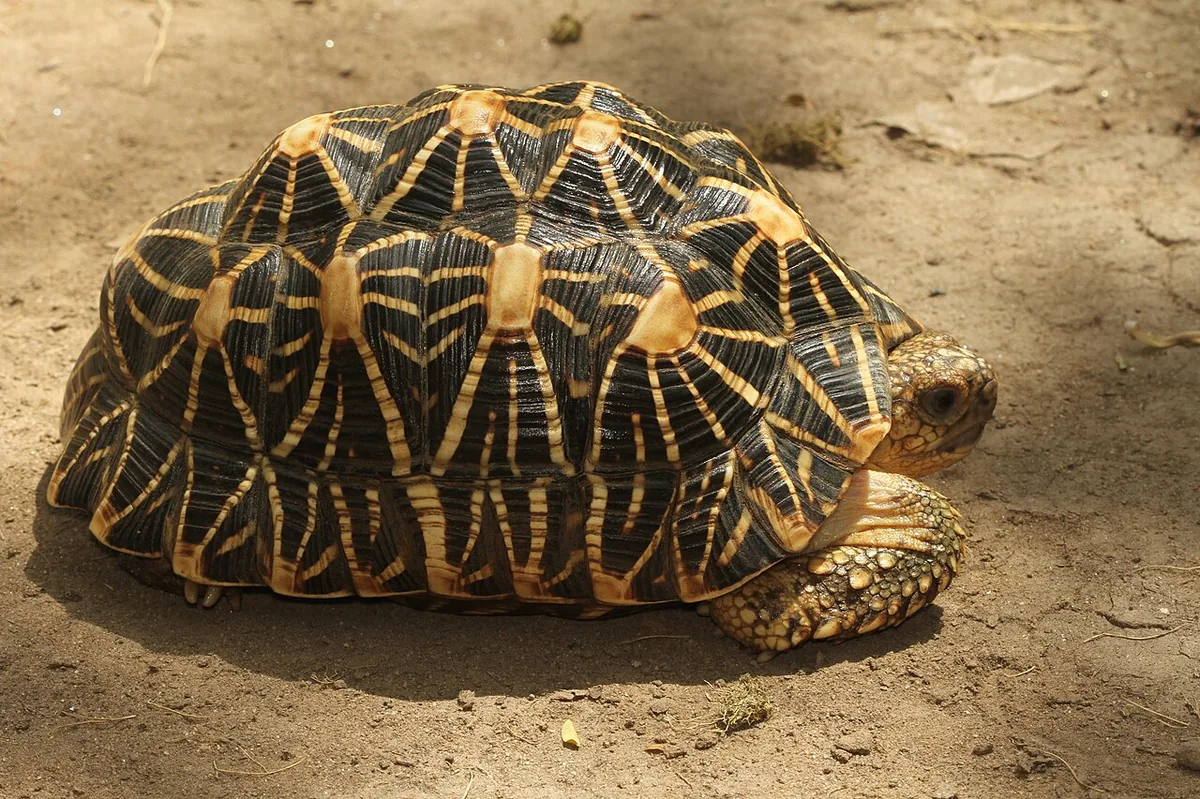
Indian Star Tortoise
The most smuggled tortoise species in the world. Beautiful, manageable in size, and the first question is where the animal came from.
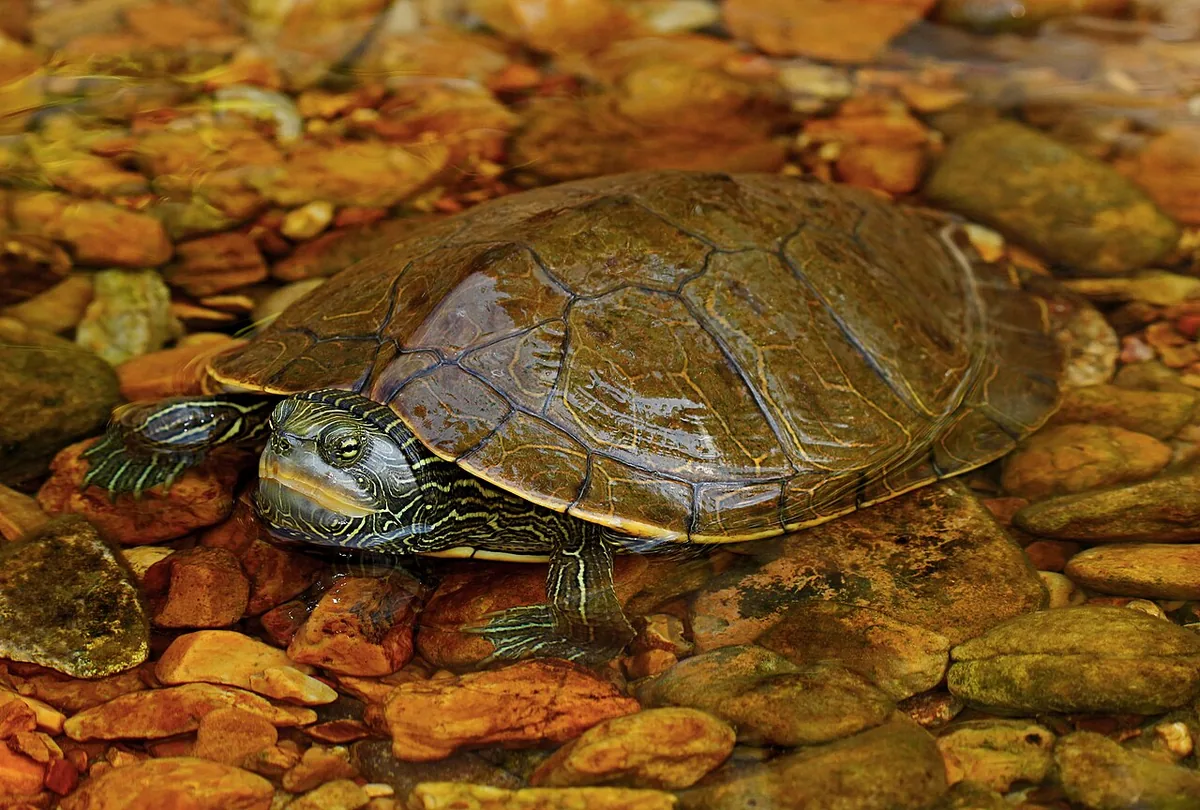
Map Turtle
Less forgiving of poor water than a slider, and females reach twice the length of males. Filtration is the whole game.
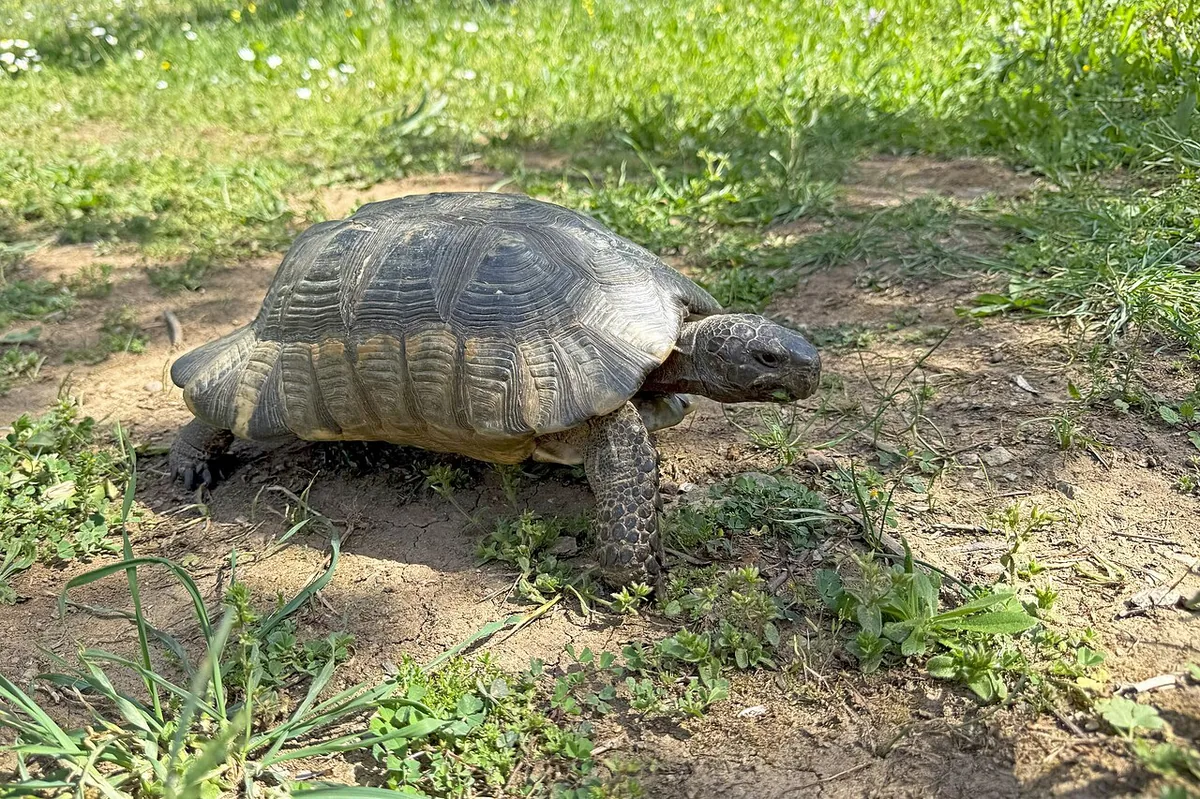
Marginated Tortoise
The largest European tortoise, with flared rear scutes and a natural brumation cycle. Bigger than buyers expect.
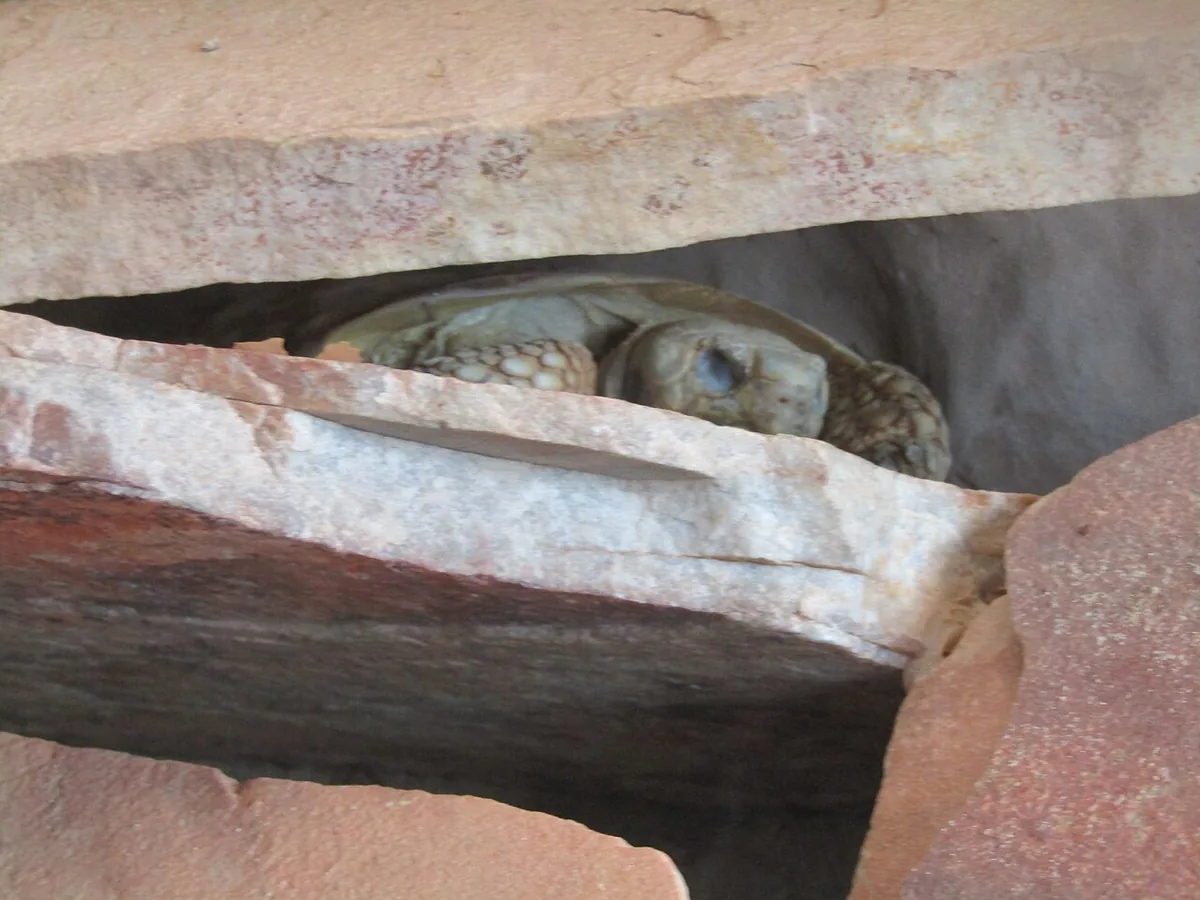
Pancake Tortoise
Flat, flexible-shelled rock climber from East Africa. CITES Appendix I since 2019, and nothing like a grazing tortoise to keep.
Read the full care guide →Before you choose a turtle or tortoise
Read the species guide all the way through, including the "adult size and commitment" section. Then ask yourself two questions:
- Can I provide adult housing? For sulcatas, that's a heated outdoor enclosure in a warm climate or a substantial indoor space in a cold one. For red-eared sliders, a 75-gallon-plus tank with filtration. Don't buy what you can't ultimately house.
- Will I still be here in 30-50 years? Russian tortoises live 40+. Sulcatas can hit 80+. Red-eared sliders can live 30. This animal may outlive you. Have a succession plan.
If either answer is no, the responsible move is to pick a different reptile. Plenty of species fit better with most lifestyles.