SNAKE CARE GUIDES
Snakes, care guides for the most common pet species.
Snakes are some of the lowest-maintenance reptiles you can keep, but only when you get the basics right. Heating, humidity, hide cover, and feeding schedules are species-specific and getting them wrong is responsible for most pet snake welfare problems.
Choose your snake
Each guide includes enclosure setup, temperature and humidity, feeding, handling, common health issues, and the mistakes that most often cause problems with that species.
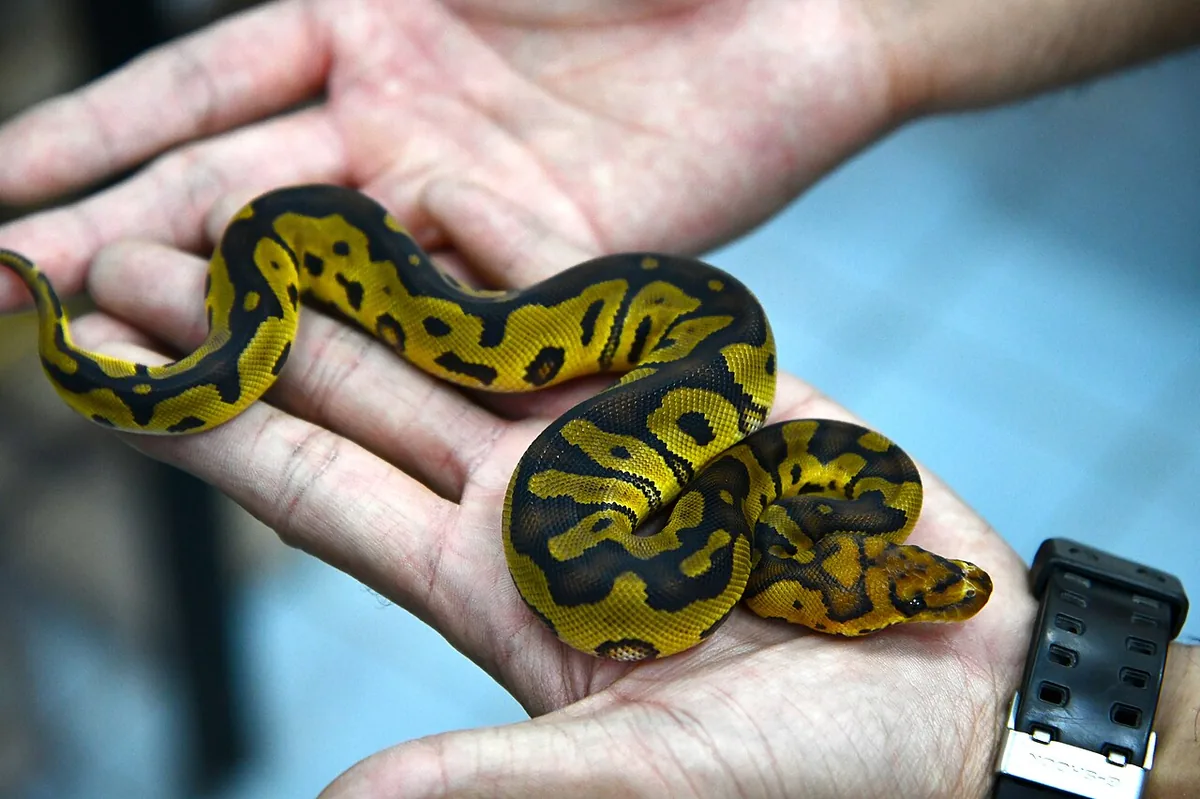
Ball Python
The most popular pet snake in the United States. Manageable size, generally docile, tolerant of handling. Also one of the most-frequently mis-husbanded, humidity and feeding are where most owners go wrong.
Open the ball python guide →
Corn Snake
Many keepers (and most herpetologists) consider corn snakes the best beginner snake. Active, hardy, and forgiving of minor husbandry mistakes, though they still deserve evidence-based care.
Open the corn snake guide →
Western Hognose Snake
Small, charismatic, and famous for dramatic defensive bluffing. Good for keepers who understand rear-fanged mild venom considerations and accept the occasional feeding difficulty.
Open the hognose guide →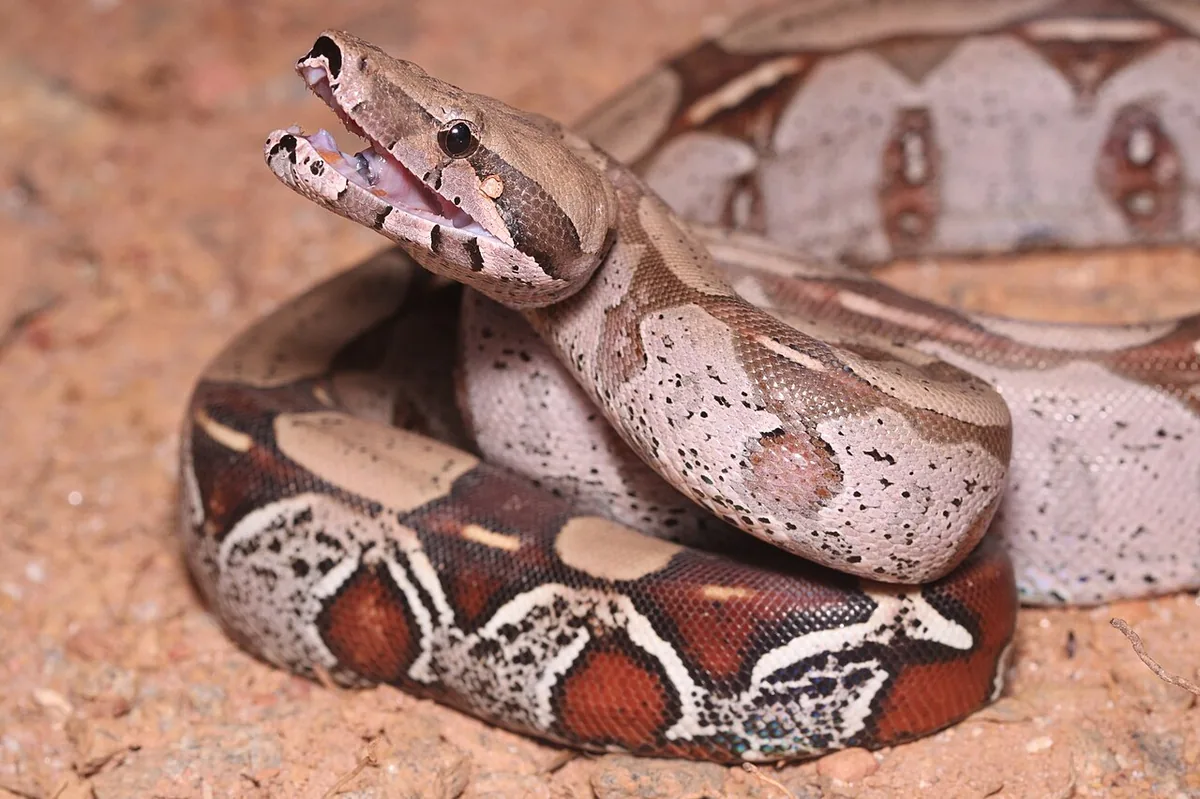
Boa Constrictor
Adult females hit 7-9 feet. Generally docile but requires real enclosure space and two-person handling at adult size. Not a first snake, but a wonderful one for keepers ready for it.
Open the boa constrictor guide →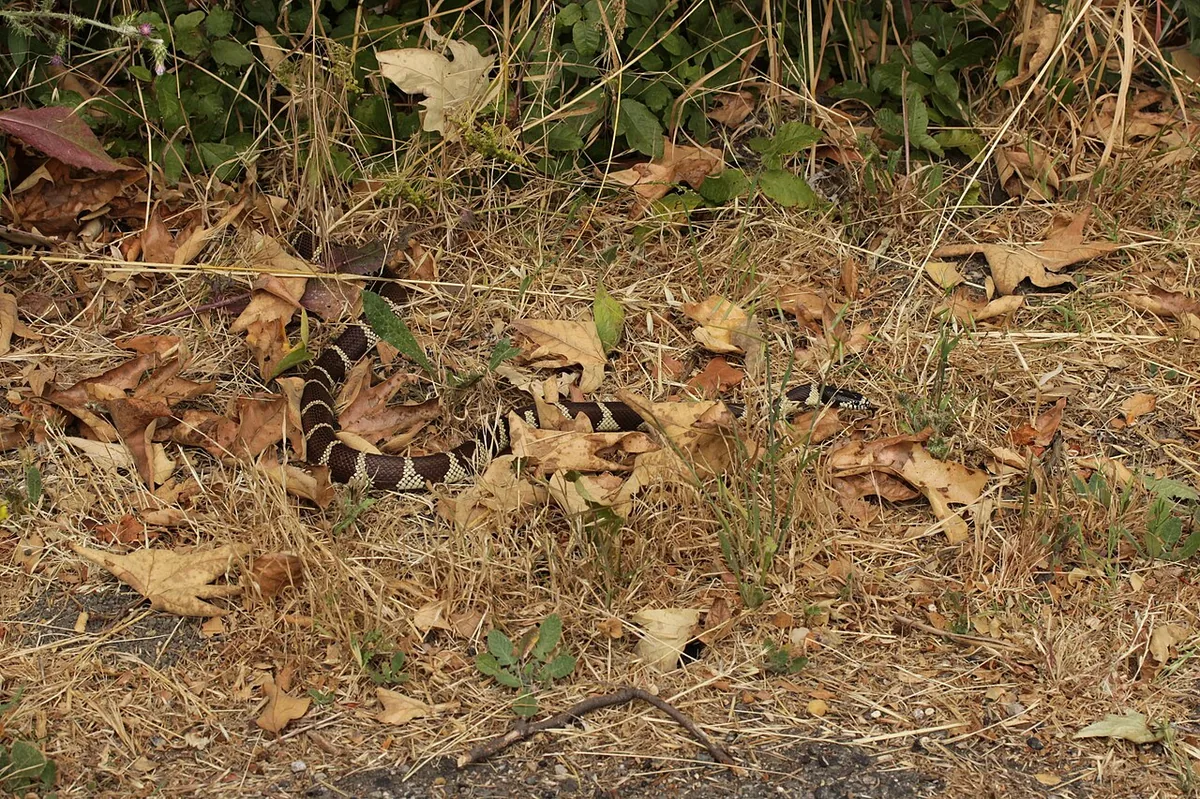
California Kingsnake
Hardy, active, eager feeders. They also eat other snakes in the wild, so single housing only. Forgiving of mild husbandry mistakes.
Open the California kingsnake guide →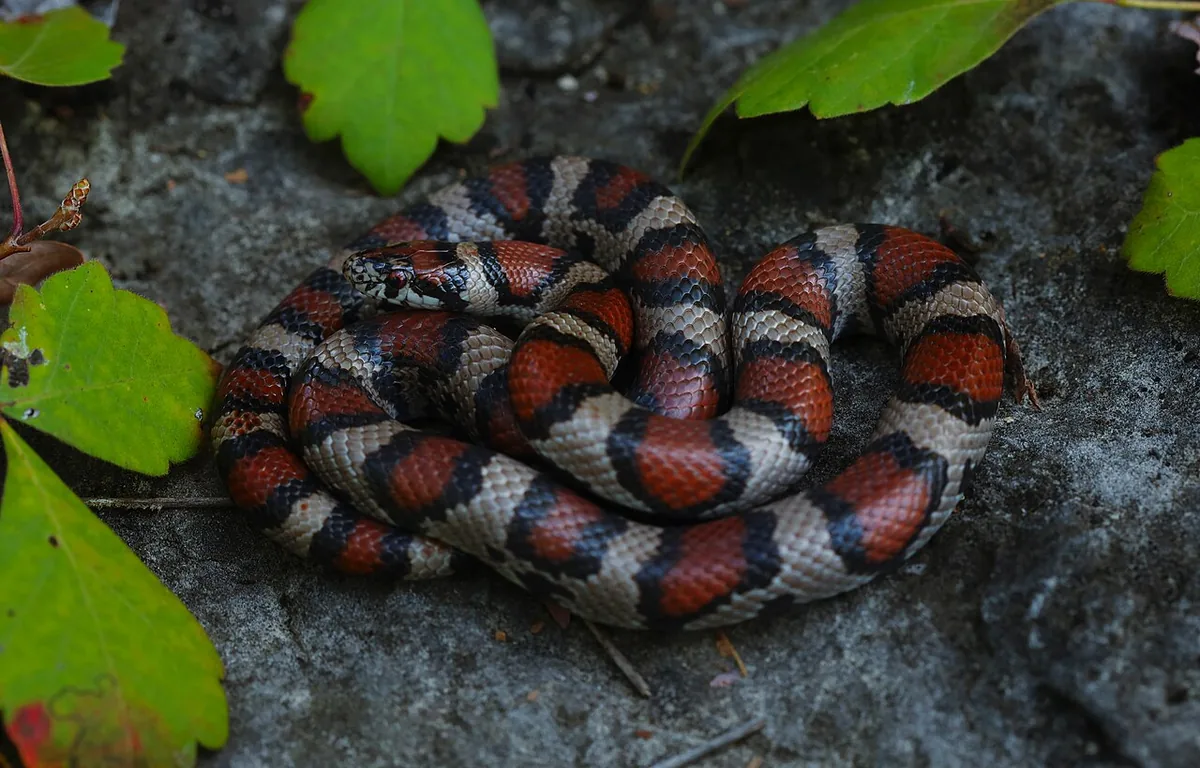
Milk Snake
Multiple subspecies ranging from 2 to 6 feet. Often confused with coral snakes; harmless. Check which subspecies you're buying, adult size varies dramatically.
Open the milk snake guide →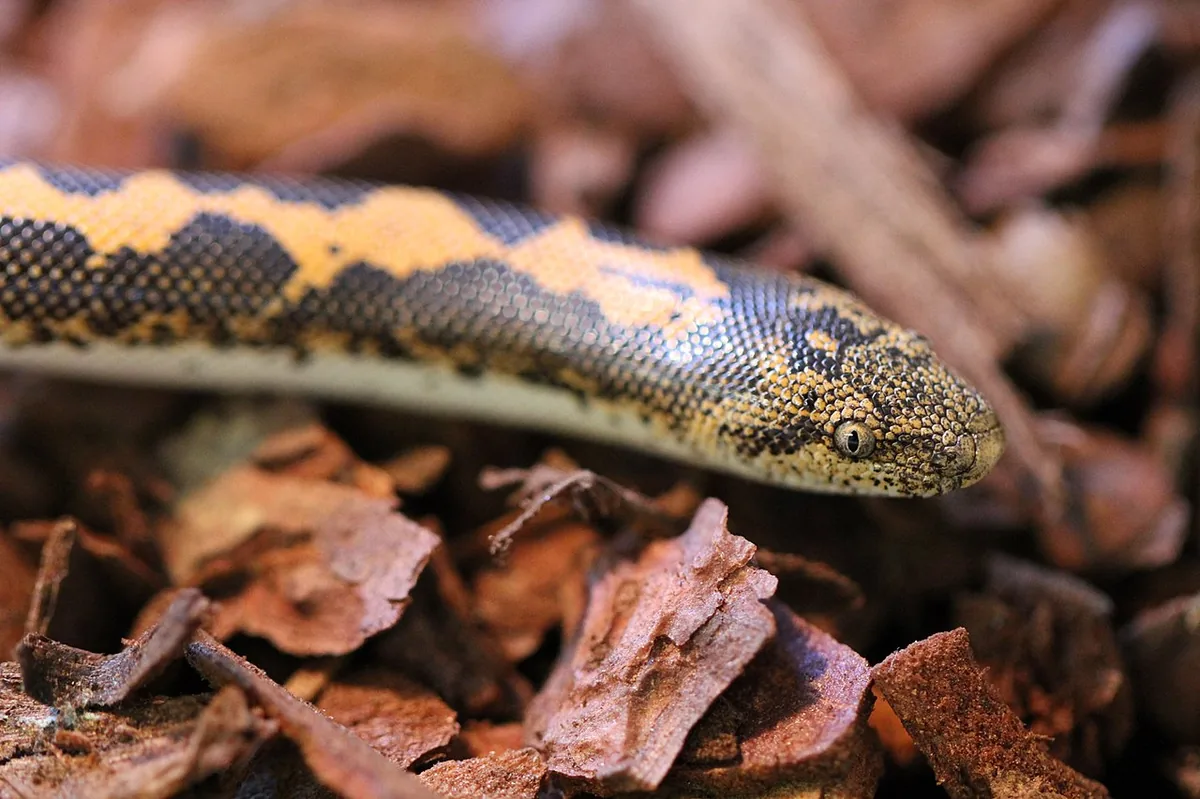
Kenyan Sand Boa
One of the smallest pet boas. Spends most of its time buried. Low-maintenance display animal for keepers who don't need an active snake.
Open the Kenyan sand boa guide →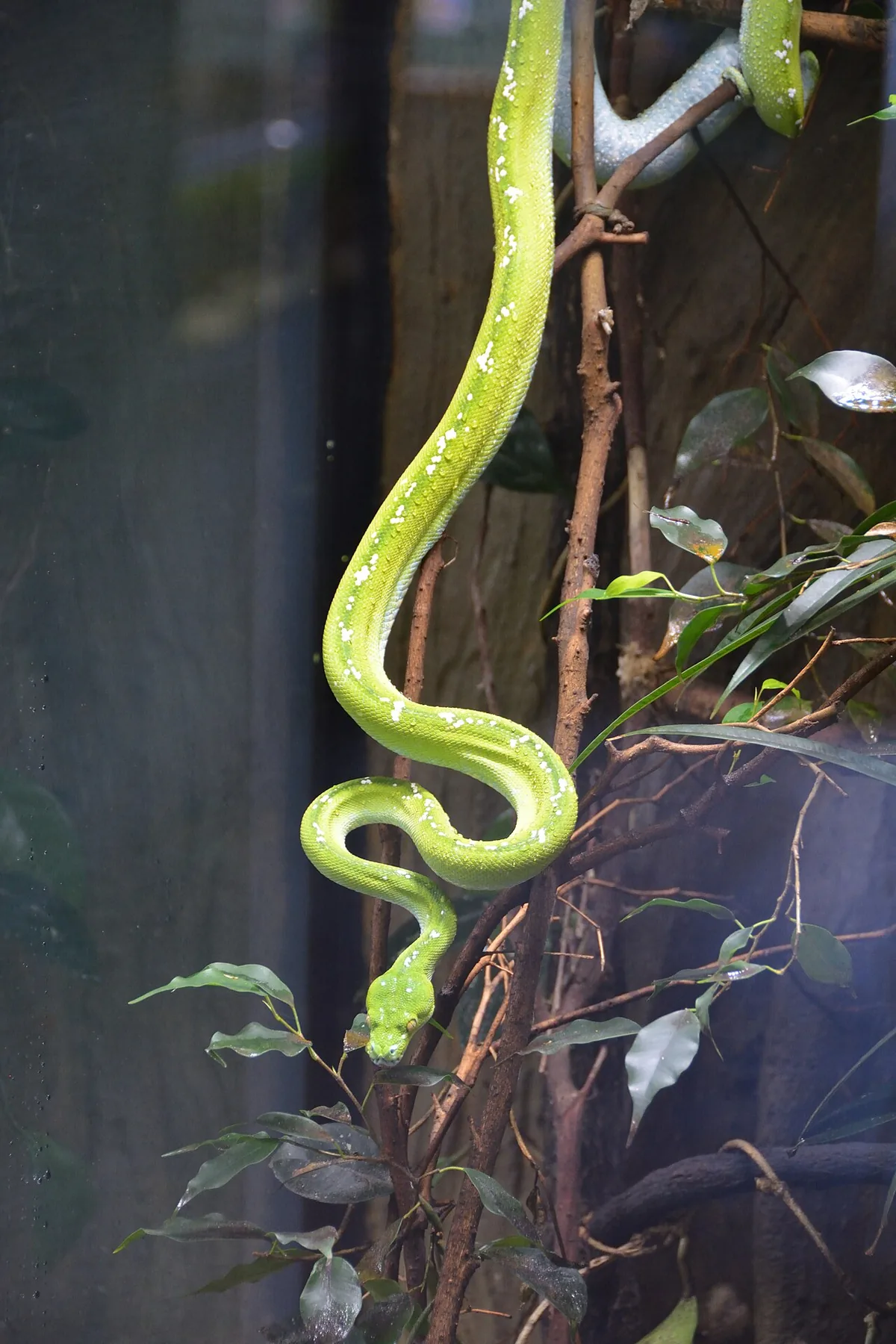
Green Tree Python
Stunning arboreal python from New Guinea. Display animal, not a handling animal. Experienced keepers only.
Read the full care guide →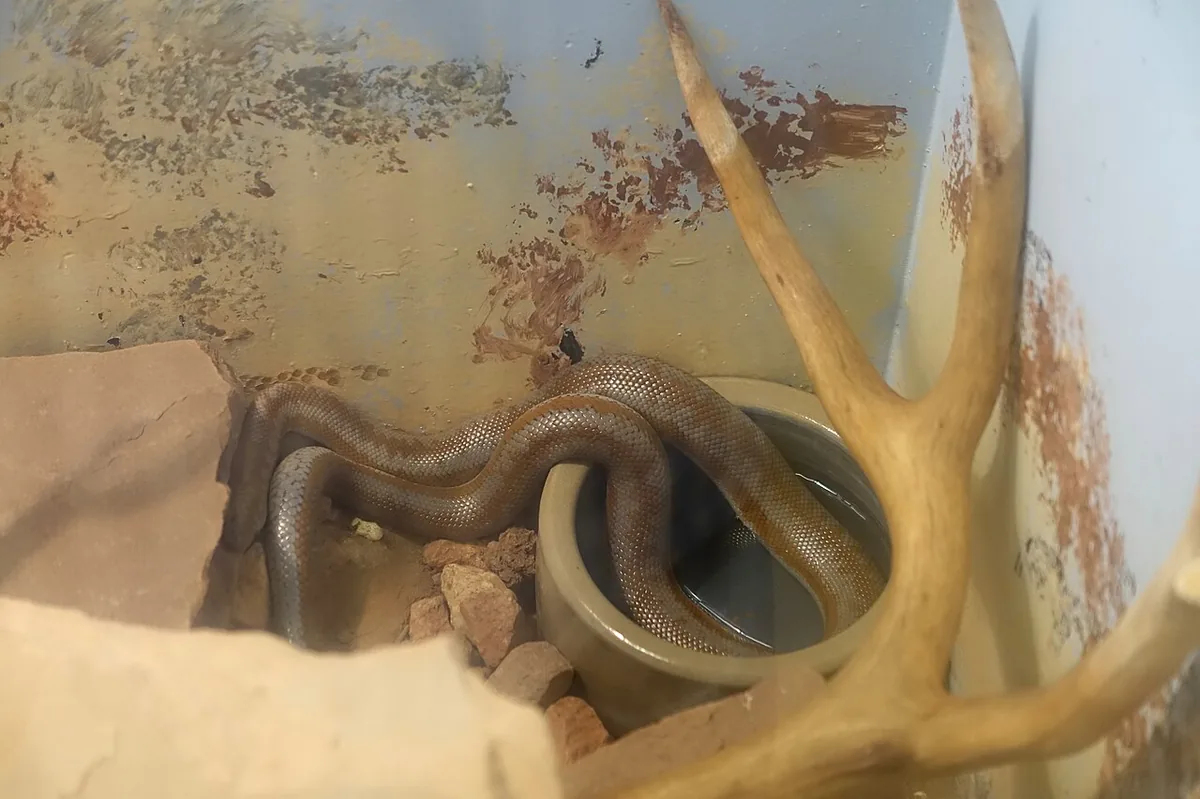
Rosy Boa
Small docile boa native to the American Southwest. Excellent beginner snake, simple husbandry.
Read the full care guide →Garter Snake
Small active diurnal North American snake. Fish-and-worm diet, no rodents required.
Read the full care guide →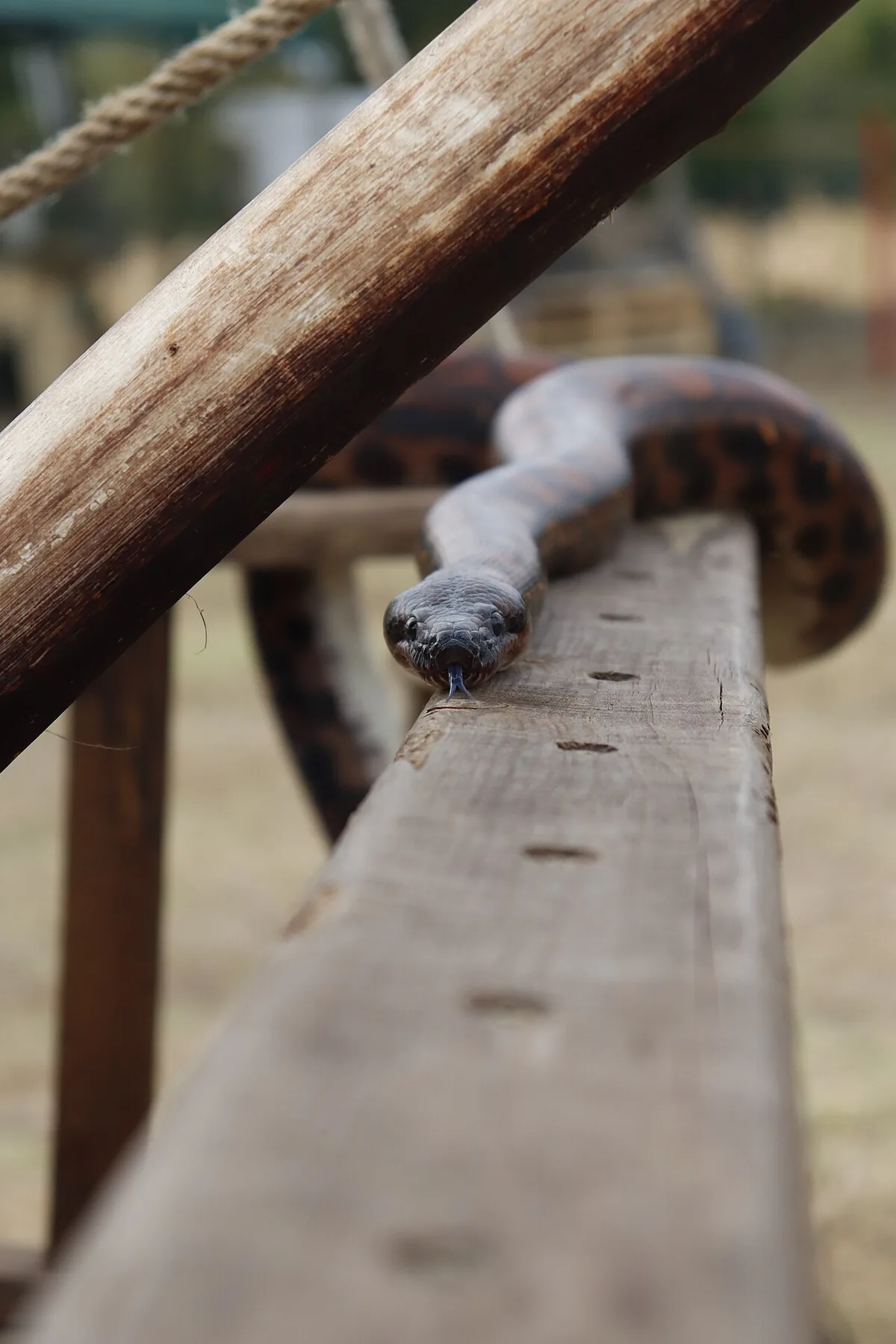
Brazilian Rainbow Boa
Iridescent South American boa. Display-leaning, humidity-demanding. Intermediate keepers.
Read the full care guide →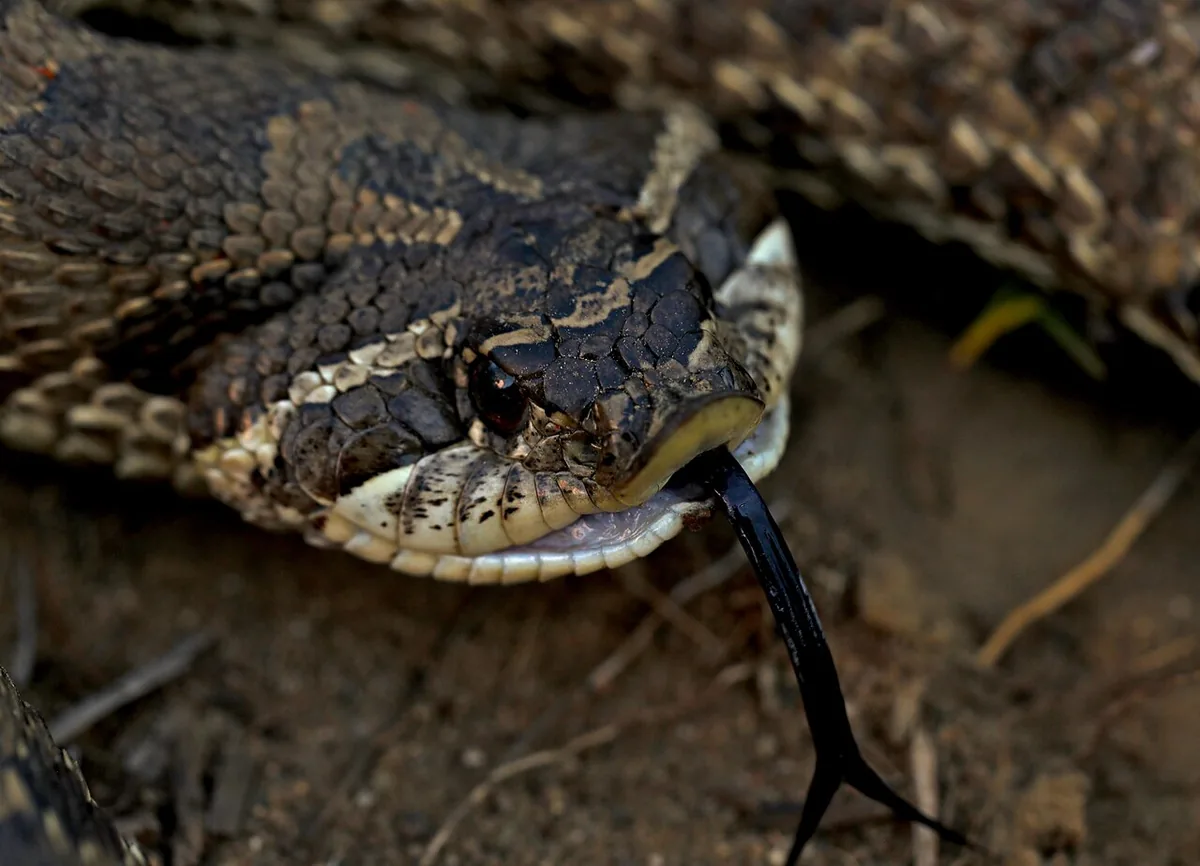
Western Hognose Snake
Small charming North American snake with upturned snout. Mild rear-fanged venom harmless to humans.
Read the full care guide →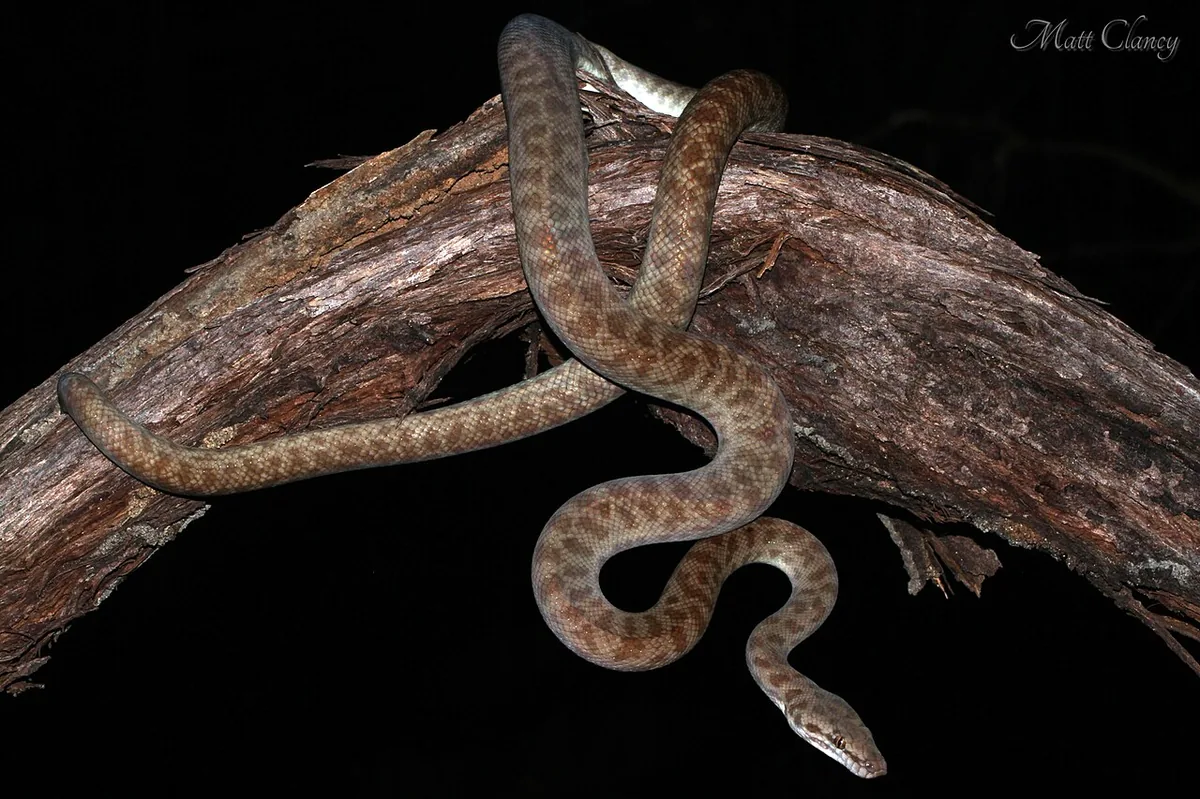
Children's Python
Small Australian python, among the smallest python species available. Long-lived and calm.
Read the full care guide →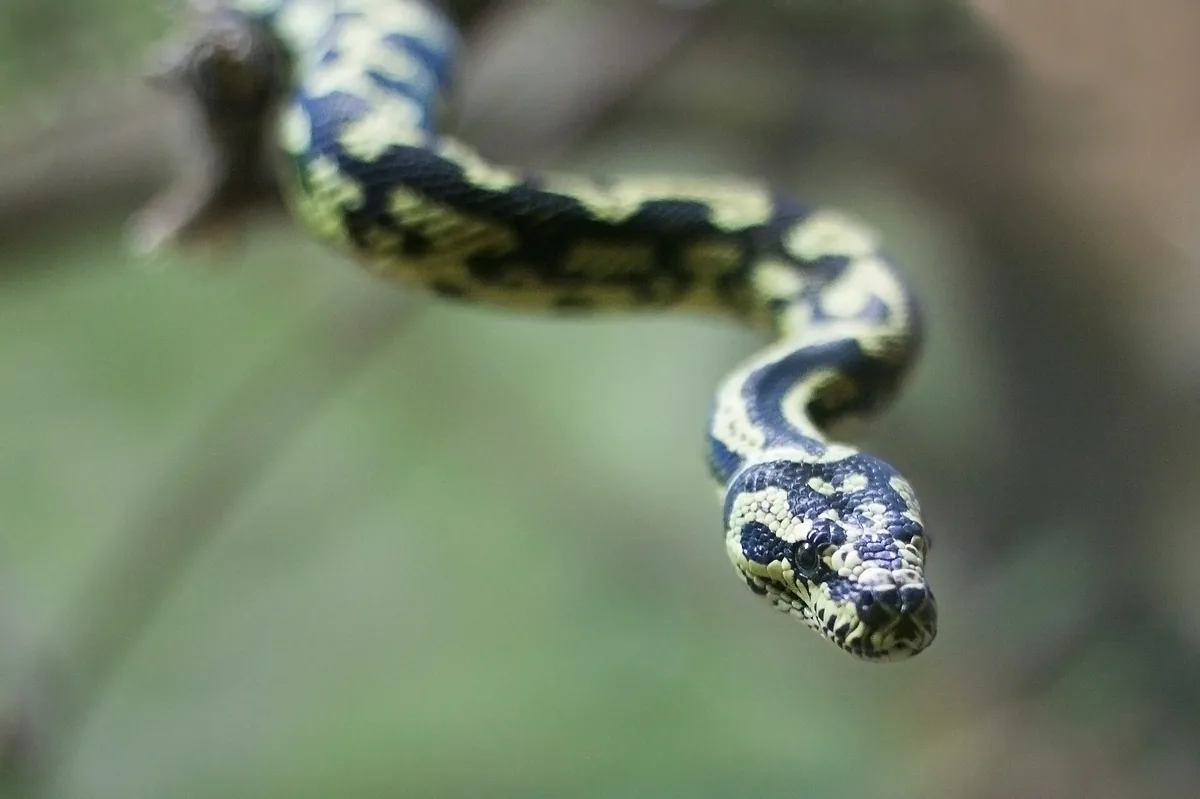
Carpet Python
Adult size runs from about 5 feet to over 8 depending on subspecies. Find out which one you are buying before you buy it.
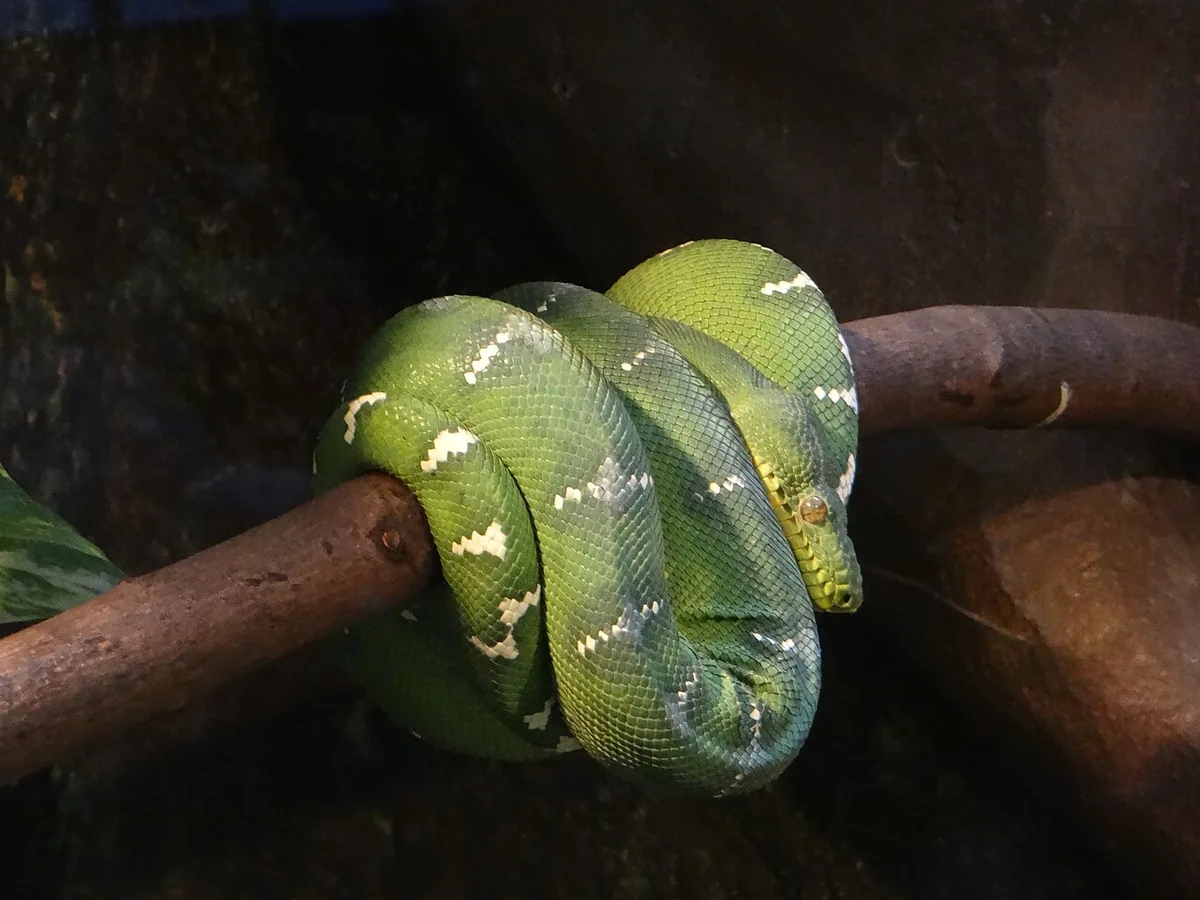
Emerald Tree Boa
One of the most striking snakes kept in captivity and one of the least forgiving. Stable humidity matters more than high humidity.
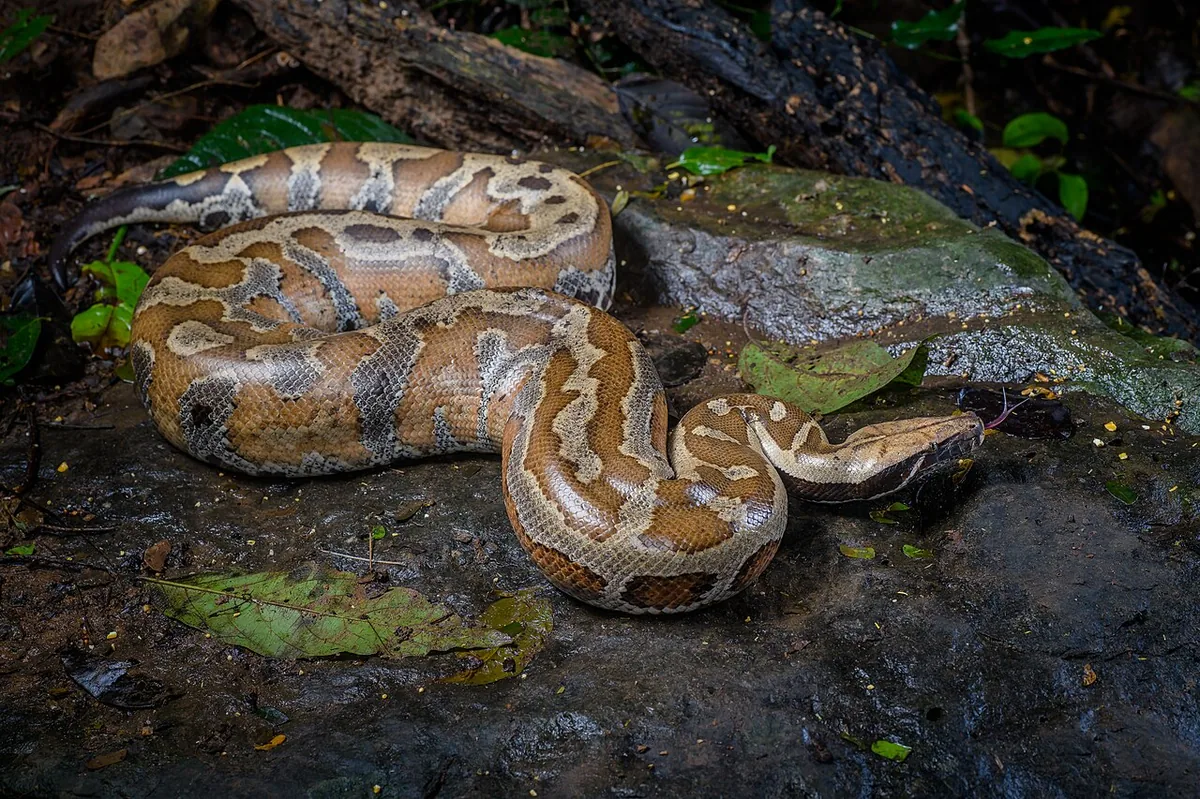
Blood Python
Short, massive and far calmer than its reputation. The aggression story belongs to the wild-caught import era, not the species.
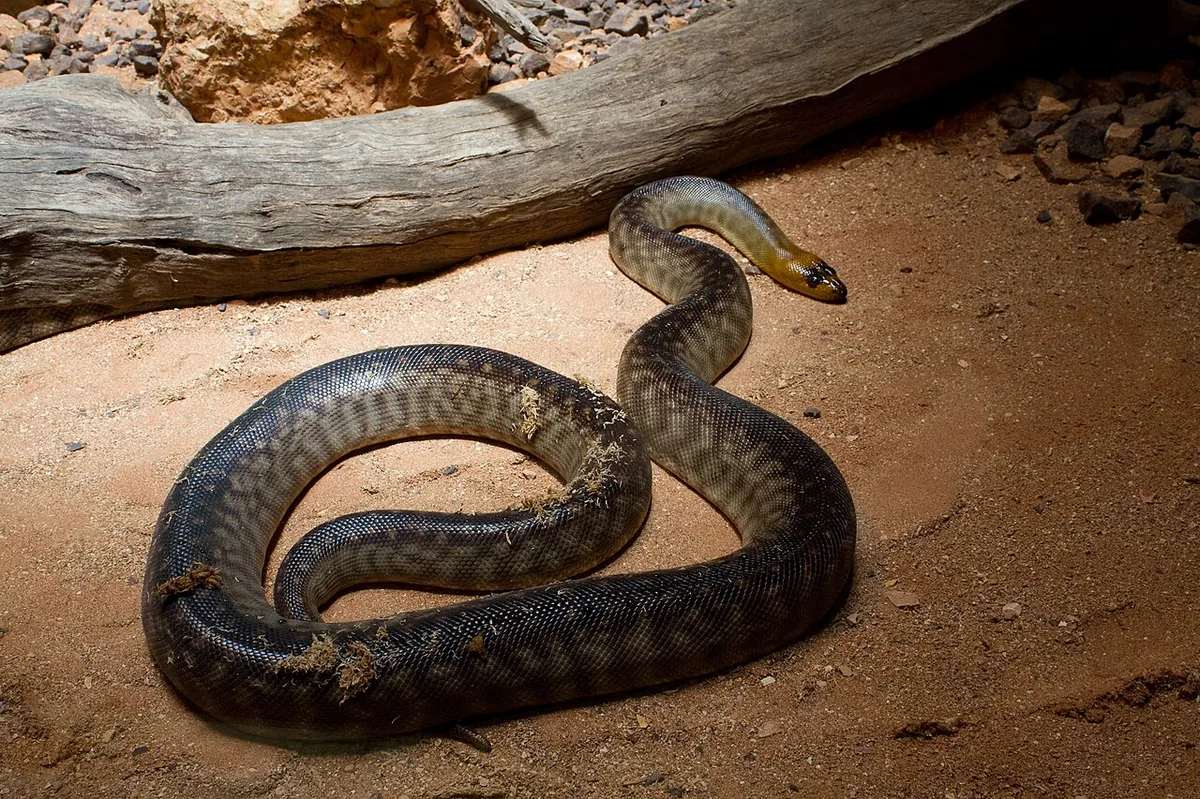
Woma Python
An Australian desert python and one of the only pythons without heat-sensing pits. Long-lived, busy, and strictly solitary.
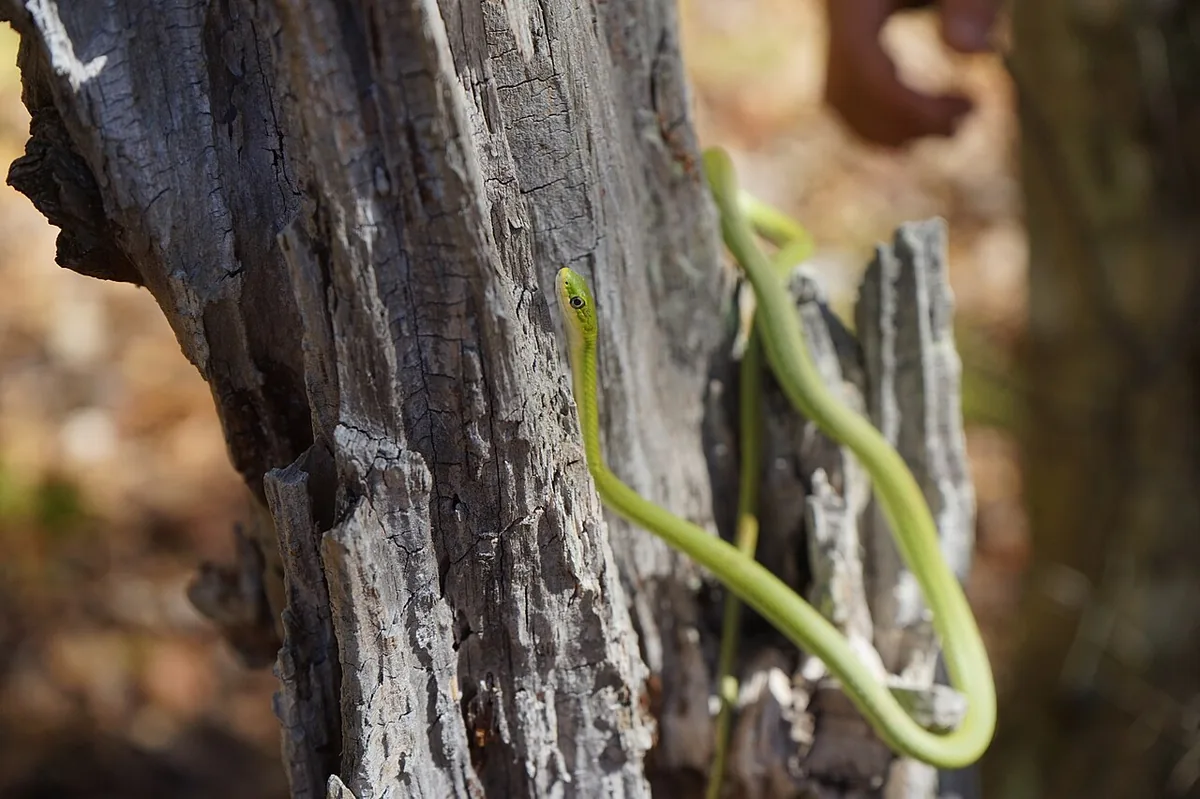
Rough Green Snake
One of the very few colubrids kept that eats insects, not rodents. Mostly sold wild caught, which is why so many fail in the first year.
Read the full care guide →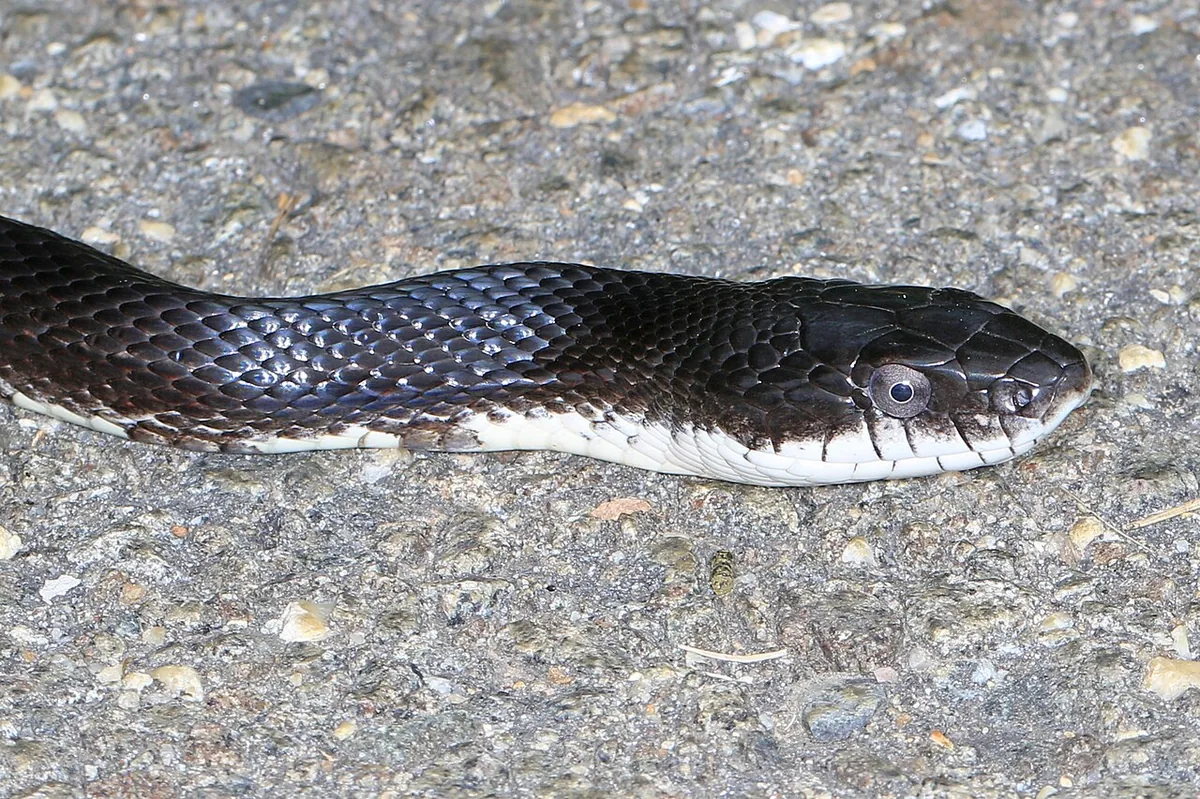
Black Rat Snake
A calm North American native reaching five or six feet. Despite the name, mice suit it better than rats.
Read the full care guide →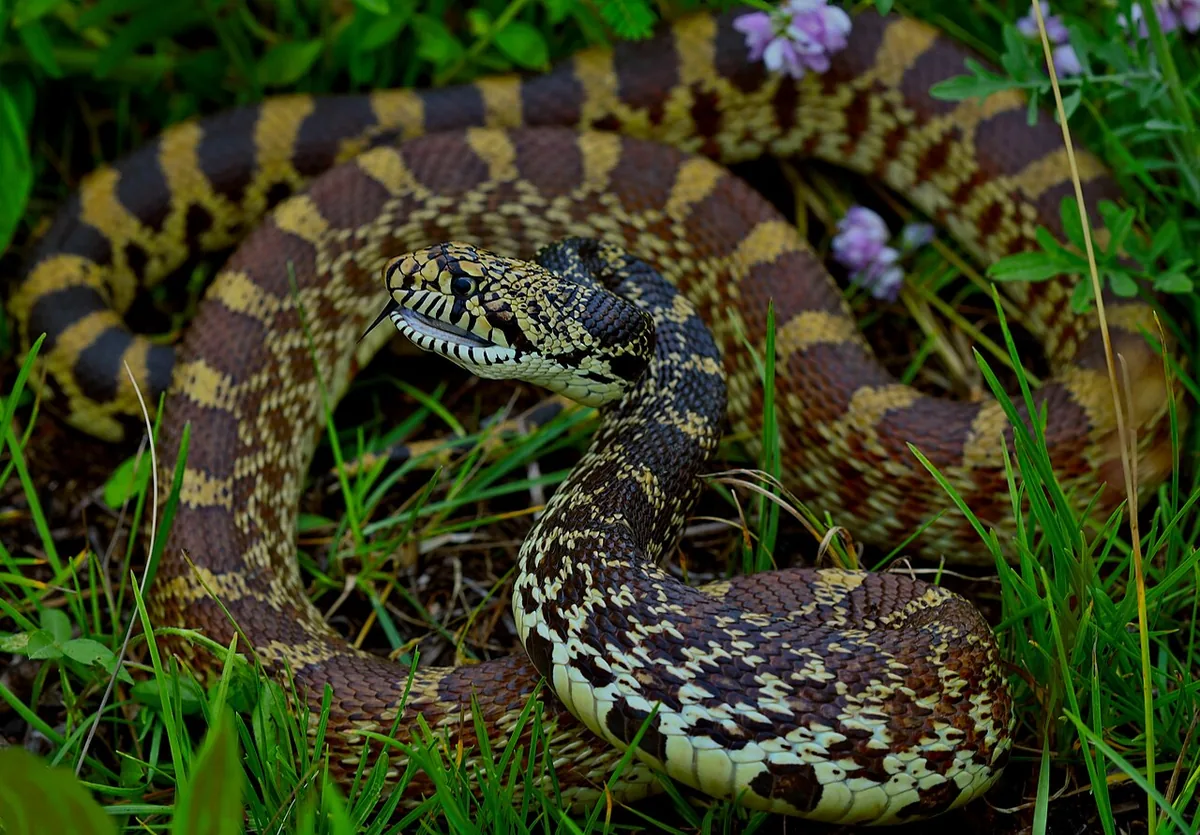
Bull Snake
Five to six and a half feet, with the loudest bluff in the hobby. The aggression reputation is mostly a misread defensive display.
Read the full care guide →What every pet snake needs (the basics)
- An enclosure sized for the adult animal: not just the hatchling. Most snake mortality from poor husbandry traces back to enclosures that were "fine for now" but never upgraded.
- A proper thermal gradient: basking spot, ambient temperature, and a cooler retreat. Most snakes need a measurable temperature difference end-to-end.
- Humidity that matches the species' natural range: too low causes shed problems; too high causes scale rot. Generic "humidity 50-60%" advice fails species that need 70%+ (ball pythons) or those that need much less.
- Multiple hides: at minimum one on the warm side and one on the cool side. A snake forced to choose between thermoregulating and feeling safe will stress.
- Appropriately sized prey: generally no thicker than the widest part of the snake's body. Overfeeding is a chronic problem for captive snakes.
- A reptile vet you can reach. Find one through ARAV's directory BEFORE you have an emergency.