Boa Constrictor Care Guide
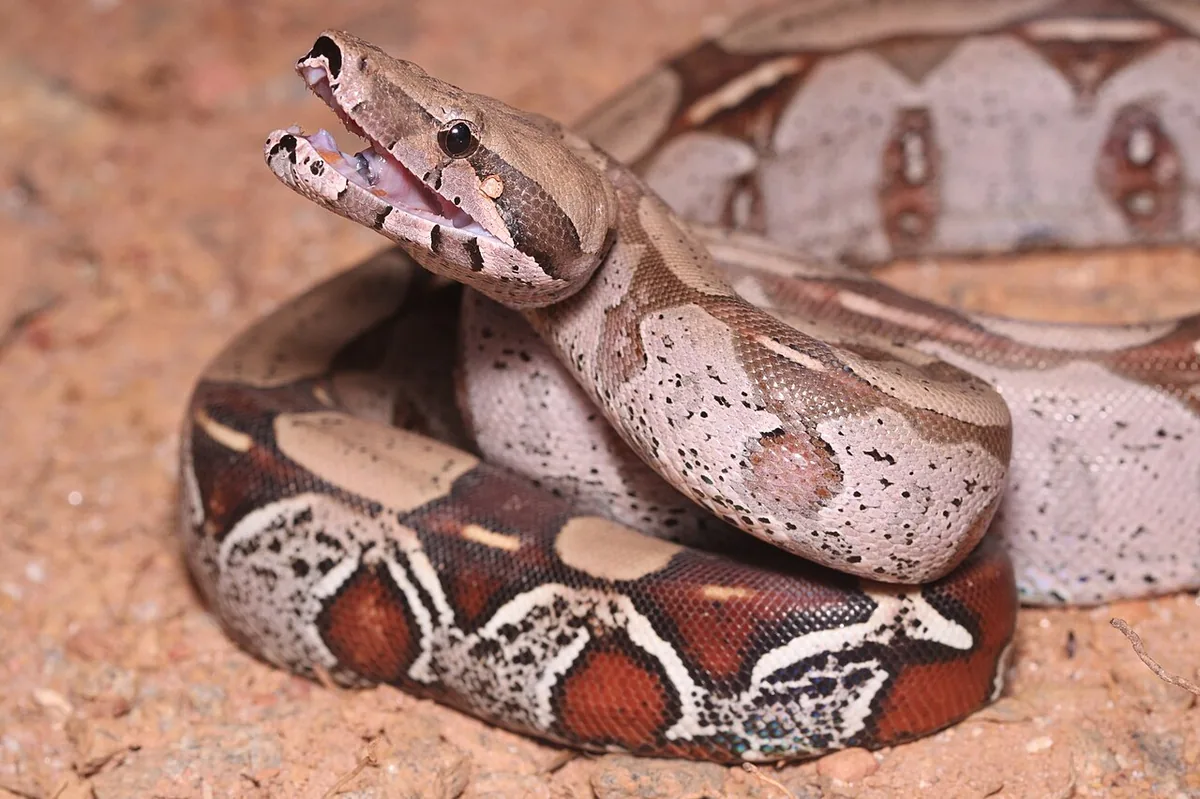
Is a boa constrictor right for you?
Boa constrictors are intermediate-to-advanced snake-keeping animals. Generally docile temperament, manageable enough for two-person handling, and visually striking. The catch is size, adult females can hit 8+ feet and 30+ pounds, requiring real enclosure space and at least two-person handling for safety.
Not a first snake. Start with corn snake or ball python and decide if you're ready to commit to a larger species. Boas live 20-30+ years.
Size
BCI (Central American): females 6-8 feet, 20-25 pounds; males 4-6 feet, 10-15 pounds.
BCC (Boa constrictor constrictor, true red-tail, South American): females can exceed 10 feet and 40+ pounds. Choose your subspecies knowingly, these are different animals at adult size.
Lifespan
20-30 years routinely. Documented over 40 years.
Enclosure
Adult minimum (BCI): 6 ft × 2 ft × 2 ft. Adult females typically benefit from 8 ft × 2.5 ft × 2 ft. PVC enclosures are standard; sealed wood works. Avoid glass aquariums above hatchling size.
Setup: two hides minimum (warm side, cool side), a humid hide for shed, a sturdy water bowl large enough for the snake to soak, climbing branches (boas are semi-arboreal as juveniles, ground-dwelling as adults).
Temperature
- Basking surface: 88-92°F (31-33°C)
- Ambient warm: 82-85°F
- Cool side: 75-80°F
- Night: 75-78°F (no heat needed if room stays above 72°F)
Use radiant heat panels or ceramic heat emitters on thermostats. Halogen flood lamps work for daytime basking heat. No heat rocks.
Humidity
60-70% baseline; raise to 75-80% during shed. Boas are humidity-tolerant compared to ball pythons but still need consistent moderate humidity to shed properly.
Diet
Rodents, sized appropriately. Diameter no greater than the widest part of the snake's body.
- Hatchlings: hopper or fuzzy mouse every 7-10 days
- Juveniles: small rats every 10-14 days
- Sub-adults: medium rats every 14-21 days
- Adults: large rats or jumbo rats every 3-4 weeks; some keepers extend to 4-6 weeks for sedentary adults
Frozen-thawed always. Overfeeding is the most common boa welfare issue, obesity, fatty liver disease, and reduced lifespan follow weekly feedings into adulthood.
Handling
Boas generally tolerate handling well when properly habituated. Adult boas over 6 feet should be handled with a second person present. Constrictors can grip tightly if startled; help is essential if the snake wraps your neck or pins your arm.
Sessions 15-30 minutes. No handling after feeding (48 hours minimum) or during shed.
Common health problems
- Mites: Treat with appropriate products.
- Respiratory infection: From cold or chronic dampness.
- Incomplete shed: Low humidity issue.
- Obesity / fatty liver disease: Major issue in overfed adults.
- IBD (Inclusion Body Disease): Serious viral infection of boas and pythons. Quarantine new arrivals 90+ days. Neurological signs in established animals = emergency vet.
Common boa constrictor mistakes
- Buying without adult housing plan. Hatchling-friendly enclosures don't fit adults.
- Buying BCC expecting BCI size. Verify the subspecies before purchase.
- Weekly feeding for adults. Causes obesity. Adults need much less frequent meals.
- Handling adults alone. Safety issue.
- Cohabitation. Solitary species. Don't house together.
- Skipping quarantine. IBD is devastating.