
Western Hognose Snake Care Guide
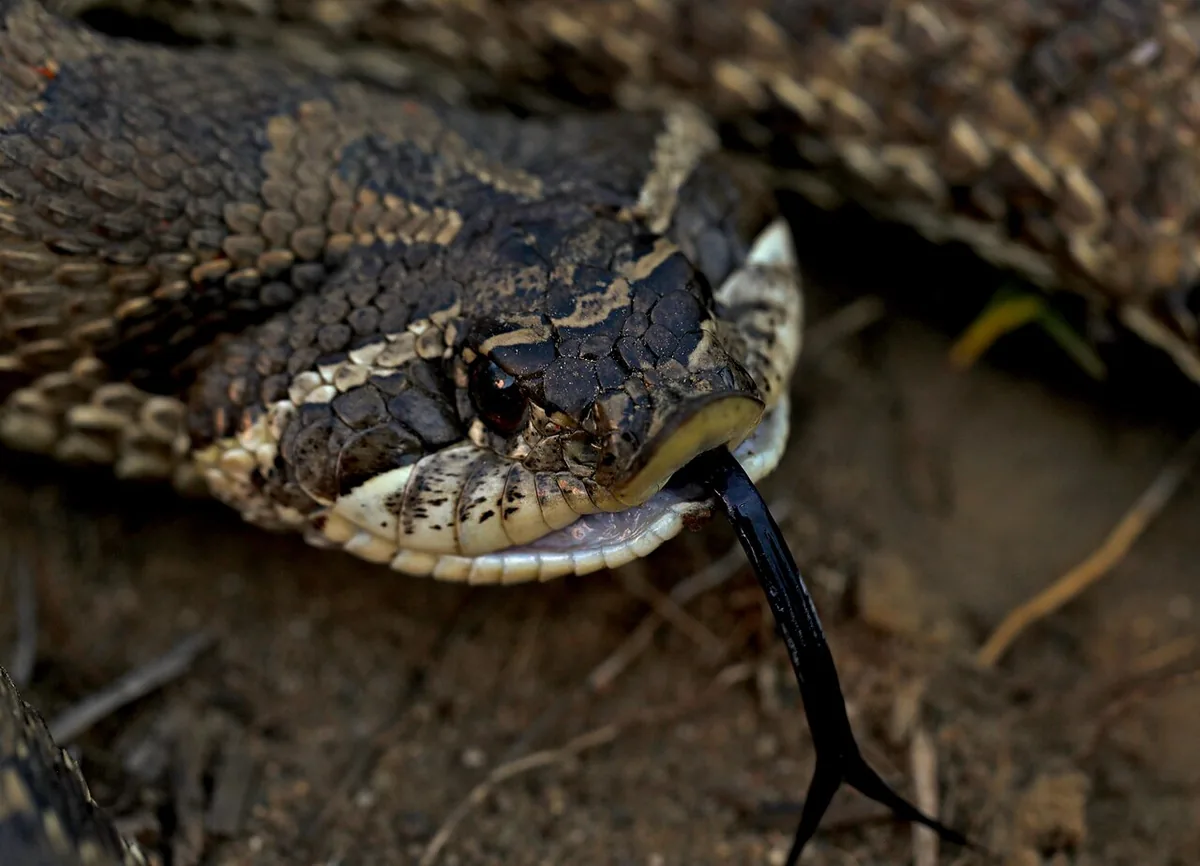
Is a hognose right for you?
Western hognose snakes are excellent for intermediate keepers who want a small, full-of-personality snake. Their defensive bluffing is harmless and entertaining once you understand it's all theater. The downsides: some hognose are picky eaters (sometimes requiring scented prey or assist feeding), and the rear-fanged venom, while medically minor, is a consideration.
Size
Females: 22-30 inches, 200-400+ grams. Males: 14-20 inches, 60-150 grams. Females are noticeably larger.
Lifespan
15-20 years with proper care.
Enclosure
Adult minimum: 36" × 18" × 12" (90 × 45 × 30 cm). PVC or front-opening enclosures preferred. Include warm-side and cool-side hides plus a humid hide.
Substrate: aspen shavings, coco fiber, or naturalistic mixes. Hognose are diggers, they appreciate substrate depth they can burrow in.
Temperature
- Basking spot: 88-92°F (31-33°C)
- Ambient warm: 80-85°F
- Cool side: 75-78°F
- Night: 70-75°F
Humidity
30-50% baseline. Raise to 60%+ during shed.
Diet
Western hognose eat appropriately-sized mice. Prey diameter should be no thicker than the widest part of the snake's body.
- Hatchlings: pinkie mice every 5-7 days
- Juveniles: fuzzy or hopper mice every 7-10 days
- Adults: adult mice every 7-14 days
Some hognose are picky feeders, they evolved eating toads and may prefer scented prey. If a hatchling refuses pinkies, try scenting with frog or toad scent (frozen frog legs from Asian groceries, rubbed on the pinkie). Most transition to plain mice over time.
Always feed frozen-thawed. Never feed live mice to a small snake, even a pinkie can bite.
About the venom
Western hognose snakes have mild rear-fanged venom they use to subdue amphibian prey. They cannot deliver venom through a feeding strike (front teeth only), envenomation typically requires a sustained chewing bite. Bites are uncommon: hognose are bluffers, not biters.
For the average healthy adult, a hognose bite causes local swelling, redness, and mild discomfort lasting 24-72 hours. Reactions vary; some people are more sensitive than others. People with known venom or insect allergies should consider species without venom (corn snake, ball python) as safer alternatives.
The famous defensive behavior
When threatened, Western hognose put on a remarkable show: flatten the neck into a hood (cobra-like), hiss loudly, and lunge with closed mouth in false strikes. If that doesn't work, they may flip belly-up, open the mouth, and play dead, sometimes for several minutes.
None of this is aggressive. It's all defensive theater. Most hognose calm down considerably with handling habituation.
Handling
After 1-2 weeks of settling-in, begin gentle handling sessions. The defensive display may continue for the first few sessions but usually fades within a few weeks. Sessions of 10-20 minutes 2-3 times per week. Don't handle for 48 hours after feeding or during active shed.
Common health problems
- Refusing food: Especially in winter and adult males during breeding season. Usually not an emergency. Track weight.
- Mites: Treat promptly.
- Respiratory infection: From chronic cold or dampness.
- Incomplete shed: Provide a humid hide.
- Allergic reactions to bites (in humans): Rare but worth knowing.
Common hognose mistakes
- Overfeeding. Hognose are food-motivated; adult males in particular become obese on weekly feedings.
- Underestimating the defensive display. The hooding and false strikes are not aggression, don't take it personally and don't return aggressive handling.
- Tank too small. Adult females especially need more space than a 10-gallon tank.
- Assuming all hognose are easy feeders. Some are notoriously picky. Be prepared for scenting strategies.
- Live mice for small snakes. Dangerous. Frozen-thawed only.