← Indian Star Tortoise care guide
How Long Do Indian Star Tortoises Live?
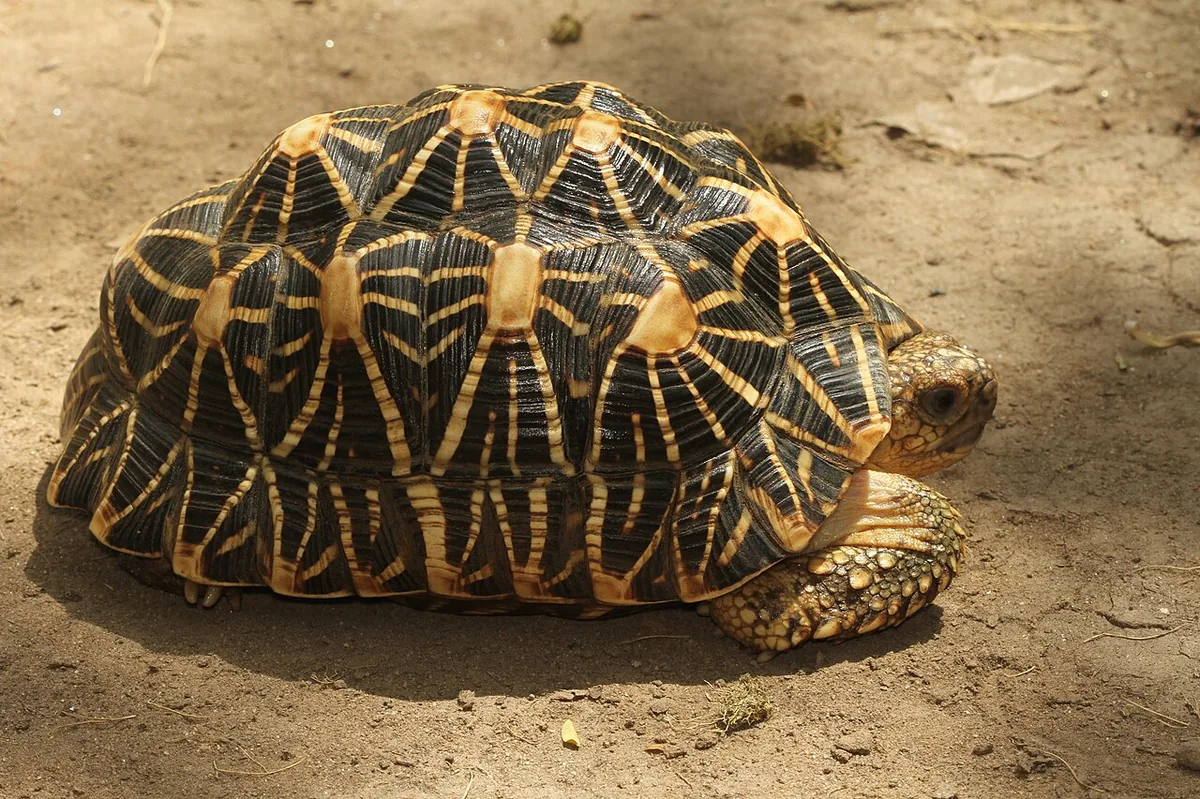
Indian star tortoises are commonly published at 30 to 50 years or more. The largest single determinant of whether an individual gets there is not husbandry but provenance, because this is the most trafficked tortoise species in the world.
Published lifespan figures
| Figure | Value | Notes |
|---|---|---|
| Commonly published | 30-50+ years | From this site's care guide |
| Wild-caught animals | Often shorter | Arrive dehydrated and parasitised |
| Captive-bred | Reach the published range | With correct humidity |
Checked September 20, 2026 against the sources at the foot of this page. Where sources differ the range is shown rather than averaged.
What actually shortens it
Published lifespans describe well-kept animals. The gap between the figure above and what a indian star tortoise actually lives is almost entirely husbandry, and these are the levers that matter most.
Being wild-caught
The species-specific factor, and an uncomfortable one. Indian star tortoises are the most smuggled tortoise in the world, and trafficked animals arrive dehydrated, stressed and heavily parasitised. Provenance affects lifespan before husbandry does.
Conditions that are too dry
Their high-domed shell reads as desert animal, but published humidity runs 40 to 75 percent with juveniles at the top. Dry conditions contribute to respiratory problems and poor shell development.
UVB failure
Shelled species show calcium problems as soft shell and deformity, and it is usually a lighting failure rather than a diet one. Glass filters UVB out, and bulbs lose output within 6 to 12 months while still looking lit.
Common questions
How long do Indian star tortoises live?
Commonly 30 to 50 years or more with correct care. Wild-caught animals frequently do far worse, because they arrive dehydrated, stressed and heavily parasitised.
Why does provenance affect an Indian star tortoise's lifespan?
Because the species is the most smuggled tortoise in the world. Trafficked animals arrive in poor condition, and that compromises them before any husbandry decision is made. Buy captive-bred with documentation.
What husbandry most affects their lifespan?
Humidity. Published figures run 40 to 75 percent with juveniles needing the top end, which is more than the arid tortoises they are usually grouped with. Dry conditions cause respiratory and shell problems.