How Long Do Kenyan Sand Boas Live?
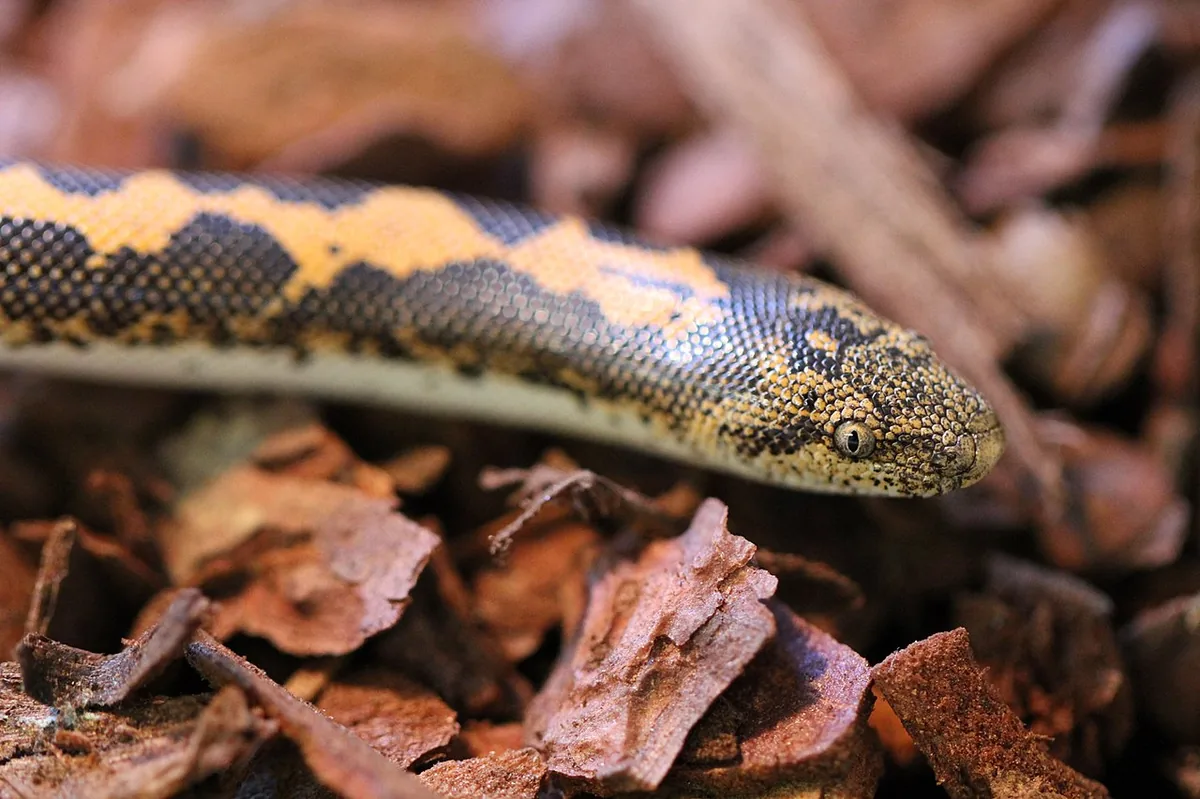
Kenyan sand boas are commonly given a captive lifespan of 15 to 20 years. They have a genuinely slow metabolism, and most of what shortens their lives comes from being fed on a schedule borrowed from faster species.
Published lifespan figures
| Figure | Value | Notes |
|---|---|---|
| Commonly published | 15-20 years | The usual captive range |
| Metabolism | Slow | Which suits long, unhurried lives |
| Feeding interval | Adults every 2-4 weeks | Relevant to lifespan, see below |
Checked September 20, 2026 against the sources at the foot of this page. Where sources differ the range is shown rather than averaged.
What actually shortens it
Published lifespans describe well-kept animals. The gap between the figure above and what a kenyan sand boa actually lives is almost entirely husbandry, and these are the levers that matter most.
Overfeeding on a borrowed schedule
The species-specific one. Keepers arriving from corn snakes or ball pythons apply a weekly interval to a boa whose published adult schedule is every two to four weeks. Obesity follows quickly, and the tell is skin visibly stretched between the scales.
Unregulated heat
Thermal burns are among the most common reptile injuries, and snakes are particularly exposed because they coil against a heat source rather than moving off it. Every heat source on a thermostat.
Substrate ingestion at feeding
They ambush upward through the substrate and can take a mouthful with the prey. Feeding with tongs or from a dish removes a risk that is otherwise cumulative.
Common questions
How long do Kenyan sand boas live?
Commonly 15 to 20 years in captivity. They are hardy, slow-metabolism snakes, and most variation within that range comes from feeding discipline rather than anything else.
What shortens a sand boa's life?
Overfeeding, usually by applying a weekly feeding schedule borrowed from corn snakes or ball pythons. Published adult intervals for this species are every two to four weeks, and obesity follows quickly if you feed more often.
How can I tell if my sand boa is overweight?
If you can see skin stretched between the scales, the snake is carrying too much weight. That is the specific tell for the species, and the correction is a longer interval rather than smaller prey.