What do Kenyan sand boas eat?
The short answer
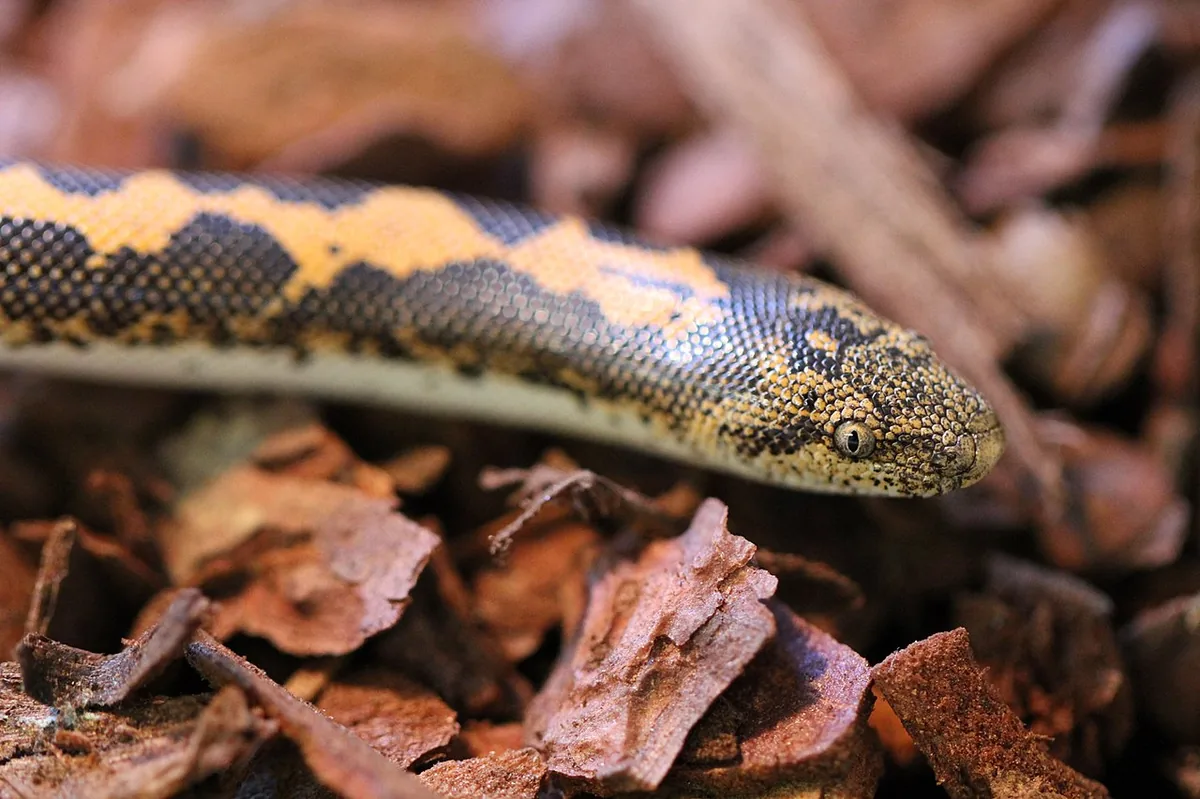
Kenyan sand boas are ambush predators that spend most of their time buried, striking at prey that passes above them. They are among the smallest boas, they eat small prey, and they eat it infrequently. Long gaps between meals are normal and correct rather than a sign something is wrong.
Feeding schedule by age
| Life stage | Diet balance | How often | Notes |
|---|---|---|---|
| Juvenile | Pinky to fuzzy | Every 7-14 days | Small prey, steady growth |
| Adult | Appropriately sized mouse | Every 2-4 weeks | Long gaps are normal for this species |
What to feed
| Food | Role | Why |
|---|---|---|
| Frozen-thawed rodents | Staple | Safer than live; thaw in the fridge, warm in warm not hot water |
| Mice | Staple | Sized small relative to other boas |
What never to feed
Items in this table are either outright toxic or cause predictable long-term harm. This is the part of the page worth reading twice.
| Do not feed | Why |
|---|---|
| Live prey left unattended | Rodents bite and can seriously wound or kill a snake. |
| Prey wider than the snake's thickest point | Regurgitation and injury risk. |
| Wild-caught rodents | Parasite, disease and rodenticide risk. |
| Meat, eggs or other substitutes | Snakes need whole prey for complete nutrition. |
| Feeding on a weekly adult schedule | Produces an obese sand boa quickly. |
| Deep loose substrate plus feeding in-tank without tongs | Substrate ingestion risk. |
Where good sources disagree
Care sheets do not all say the same thing, and pretending otherwise helps nobody. These are the real points of difference between the sources cited at the foot of this page, and what we think the safe reading is.
How long adults can go between meals.
Published intervals run from two to four weeks for adults, and some keepers stretch further. The range reflects a genuinely slow metabolism. What sources agree on is the direction: this is not a weekly-feeding species, and treating it like one causes obesity.
What most kenyan sand boa feeding advice gets wrong
Long gaps are the correct husbandry, not neglect.
Keepers coming from corn snakes or ball pythons find a two-to-four week interval alarming. For a small ambush boa with a slow metabolism it is normal. Judge by the skin between the scales: visible stretched skin means the animal is carrying too much weight, and the fix is longer gaps rather than smaller prey.
They feed from below, so feed accordingly.
Sand boas ambush prey from beneath the substrate. Offering with tongs above the surface works with that instinct and keeps substrate out of the snake's mouth. Dropping prey directly onto loose substrate invites ingestion along with the meal.
Common questions
What do Kenyan sand boas eat?
Appropriately sized rodents, usually mice, offered frozen-thawed. They are one of the smallest boa species, so prey is small relative to other boas, and they eat far less often than most commonly kept snakes.
How often should I feed a Kenyan sand boa?
Juveniles every one to two weeks and adults every two to four weeks. These intervals are much longer than for a corn snake or ball python of similar age, and reflect a genuinely slow metabolism rather than a reluctant feeder.
How do I know if my sand boa is overweight?
If you can see skin stretched between the scales, the snake is carrying too much weight. That is the specific tell for this species. The correction is to lengthen the interval between meals rather than to reduce prey size.
Why does my sand boa stay buried?
Because that is how the species hunts and lives. Kenyan sand boas are ambush predators that spend most of their time under the substrate with only the eyes exposed. Being buried is normal behaviour and not a sign of stress or illness.