← Western Hognose Snake care guide
How Long Do Western Hognose Snakes Live?
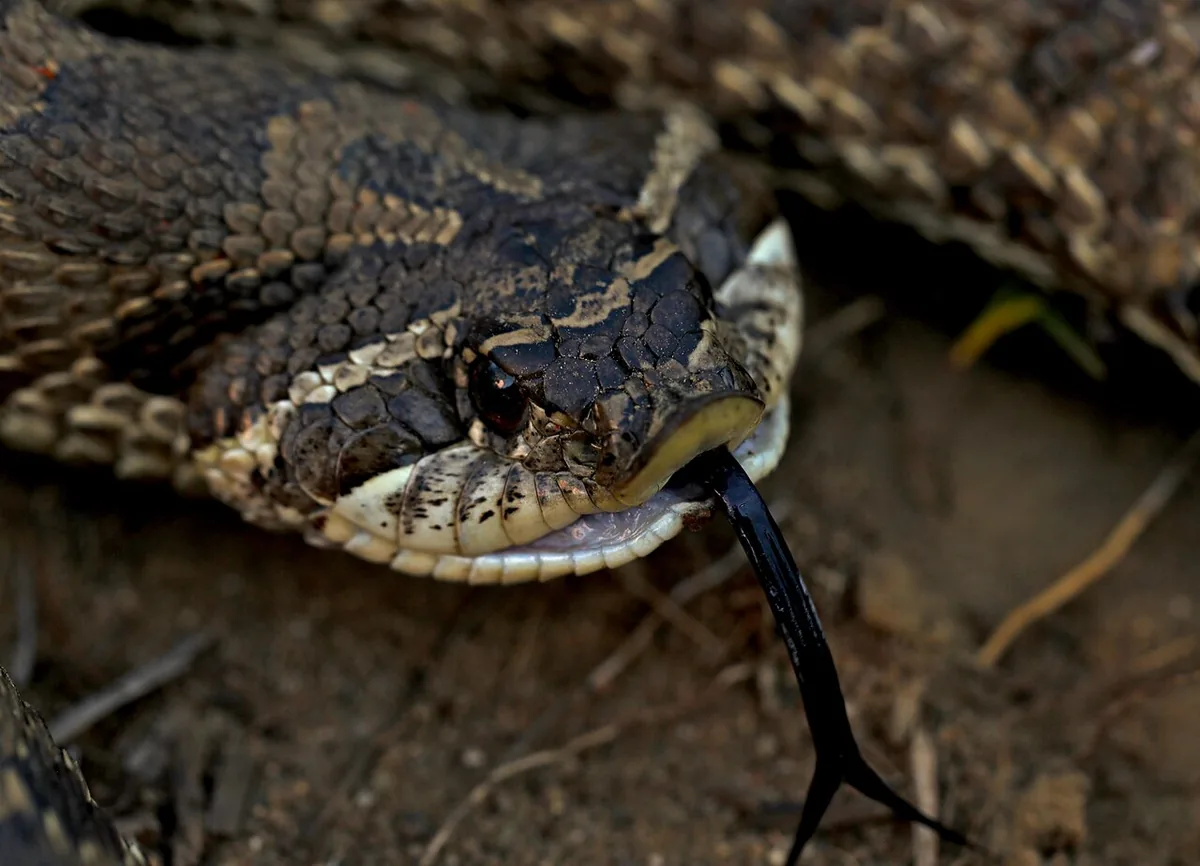
Western hognose snakes commonly live 15 to 20 years, with documented cases reaching 22 to 25. They are hardy once feeding, and the mistakes that shorten their lives mostly come from misreading normal behaviour.
Published lifespan figures
| Figure | Value | Notes |
|---|---|---|
| Commonly published | 15-20 years | The usual captive range |
| Some individuals | 22-25 years | Documented |
| Hardy | Yes | Once feeding is established |
Checked September 20, 2026 against the sources at the foot of this page. Where sources differ the range is shown rather than averaged.
What actually shortens it
Published lifespans describe well-kept animals. The gap between the figure above and what a western hognose snake actually lives is almost entirely husbandry, and these are the levers that matter most.
Respiratory infection from cold conditions
The hognose-specific one. They are commonly kept too cool because they are small and undemanding, and a cool snake with inadequate basking cannot clear a respiratory infection.
Panicked responses to seasonal fasting
Hognose snakes refuse food seasonally, and keepers treat a healthy fast as an emergency. Force-feeding or assist-feeding a snake that is simply in a seasonal cycle does real harm.
Parasites in wild-caught animals
Less common than it was, since captive breeding now dominates. Where a wild-caught animal is involved it starts with a parasite load that captive-bred animals do not.
Common questions
How long do hognose snakes live?
Commonly 15 to 20 years in captivity, with documented cases reaching 22 to 25 years.
Is it normal for a hognose to stop eating?
Yes, seasonally. Reduced activity and appetite in cooler months is normal for the species, and treating a healthy seasonal fast as an emergency does more harm than the fast does.
What shortens a hognose snake's life?
Respiratory infection from being kept too cool, intervention during normal seasonal fasts, and parasite loads in the wild-caught animals that still occasionally appear in the trade.