What do hognose snakes eat?
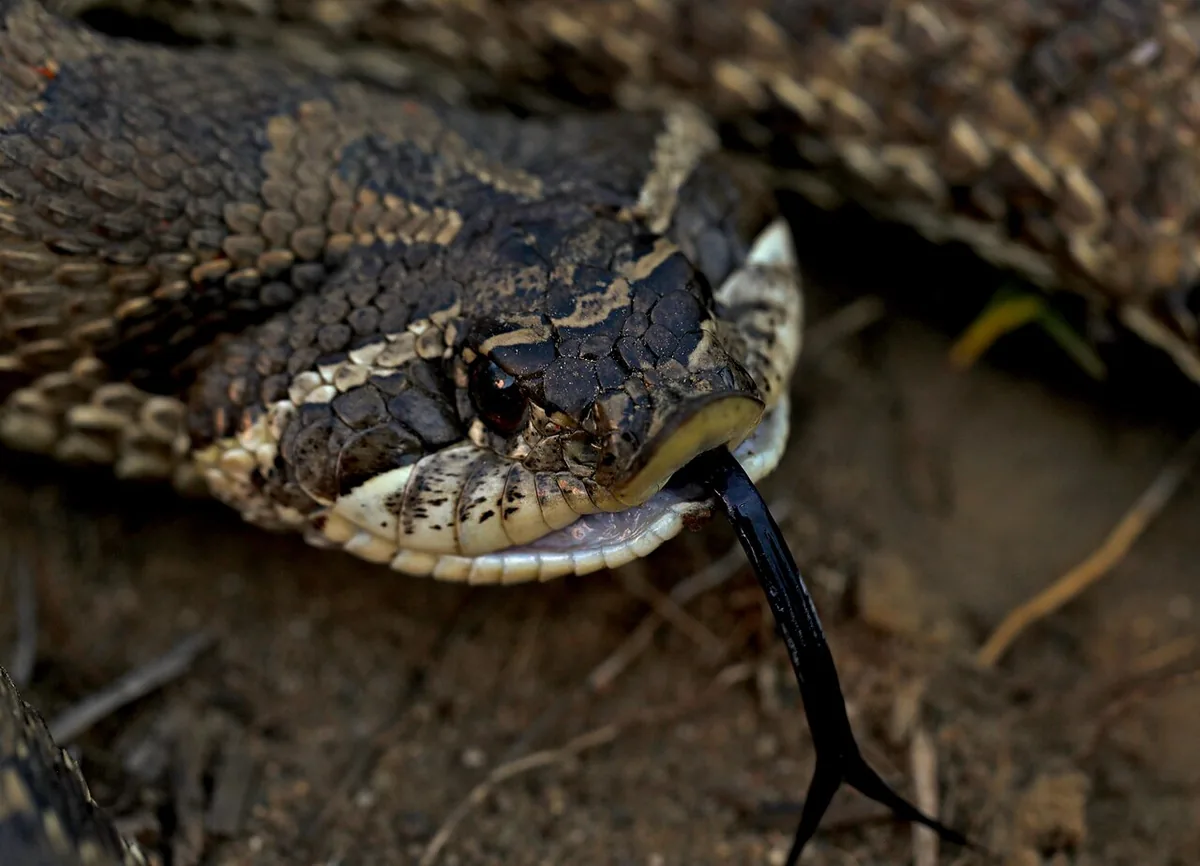
The short answer
Wild western hognose snakes eat mostly toads, along with frogs, lizards, reptile eggs and small mammals. In captivity they are kept almost entirely on rodents. That works, but it is a substitution rather than a match, and hognoses fed exclusively on rodents are more prone to obesity than those on a more varied diet.
Feeding schedule by age
| Life stage | Diet balance | How often | Notes |
|---|---|---|---|
| Hatchling | Pinky, often scented | Every 5-7 days | Scenting is common at this stage |
| Juvenile | Fuzzy | Every 5-7 days | Appetite usually improves with size |
| Adult | Appropriately sized mouse | About every 7 days | Watch body condition closely |
What to feed
| Food | Role | Why |
|---|---|---|
| Frozen-thawed rodents | Staple | Safer than live; thaw in the fridge, warm in warm not hot water |
| Mice | Staple | The practical captive diet |
| Scented prey (salmon or tuna) | Starter technique | For snakes reluctant to take rodents |
| Commercial amphibian-based links | Alternative | Closer to the natural diet where available |
What never to feed
Items in this table are either outright toxic or cause predictable long-term harm. This is the part of the page worth reading twice.
| Do not feed | Why |
|---|---|
| Live prey left unattended | Rodents bite and can seriously wound or kill a snake. |
| Prey wider than the snake's thickest point | Regurgitation and injury risk. |
| Wild-caught rodents | Parasite, disease and rodenticide risk. |
| Meat, eggs or other substitutes | Snakes need whole prey for complete nutrition. |
| Wild-caught toads or frogs | Parasite and toxin risk, despite being the natural prey. |
| Overfeeding rodents | The species' main captive health problem. |
Where good sources disagree
Care sheets do not all say the same thing, and pretending otherwise helps nobody. These are the real points of difference between the sources cited at the foot of this page, and what we think the safe reading is.
Whether a rodent-only diet is adequate long term.
Most keepers run western hognoses on rodents successfully for decades. Against that, there is anecdotal concern that exclusively rodent diets contribute to liver problems and shortened lifespan, and clearer evidence that they contribute to obesity. The disagreement is about degree, not direction: nobody argues rodents are closer to the natural diet than amphibians are.
What most hognose snake feeding advice gets wrong
Chewing is not aggression.
Hognose snakes are rear-fanged and do not constrict. They bite and chew, working the rear fangs into prey to introduce saliva that helps break down toad toxins. Watching this for the first time alarms new keepers. It is normal feeding behaviour, and hognose bites on humans are medically insignificant for almost everyone, though a small number of people react to the saliva.
Eastern hognose is a different proposition.
Heterodon platirhinos is the confirmed toad specialist and is considerably harder to keep for exactly that reason. Most hognoses in the pet trade are western (H. nasicus) and take rodents readily. Care sheets that conflate the two set up new keepers for a feeding problem they did not expect.
Common questions
What do hognose snakes eat?
In captivity, appropriately sized rodents, usually mice. In the wild western hognoses eat mostly toads, plus frogs, lizards, reptile eggs and small mammals. The captive rodent diet is a practical substitution rather than a natural match.
Why won't my hognose eat?
Hognoses are well known for fussy feeding, particularly as hatchlings, because rodents are not their natural prey. Scenting the prey with salmon or tuna is the standard technique for starting a reluctant feeder. Persistent refusal with weight loss needs a veterinary opinion.
Do hognose snakes eat toads?
In the wild, yes, and they are adapted for it: rear fangs and saliva that helps break down toad toxins. In captivity, wild-caught amphibians carry parasite and toxin risks, so keepers use rodents instead, sometimes scented to imitate the natural prey.
Are hognose snakes venomous?
They are rear-fanged with a mild saliva that acts on their amphibian prey. Bites on humans are medically insignificant for the great majority of people, though a small number react with local swelling. They are not considered dangerous to keep.
How often should I feed a hognose snake?
Adults do well on roughly one appropriately sized mouse per week; hatchlings and juveniles every five to seven days. Because rodent diets are fattier than their natural prey, watch body condition carefully and resist increasing portion size.