Hognose Snake Enclosure and Habitat
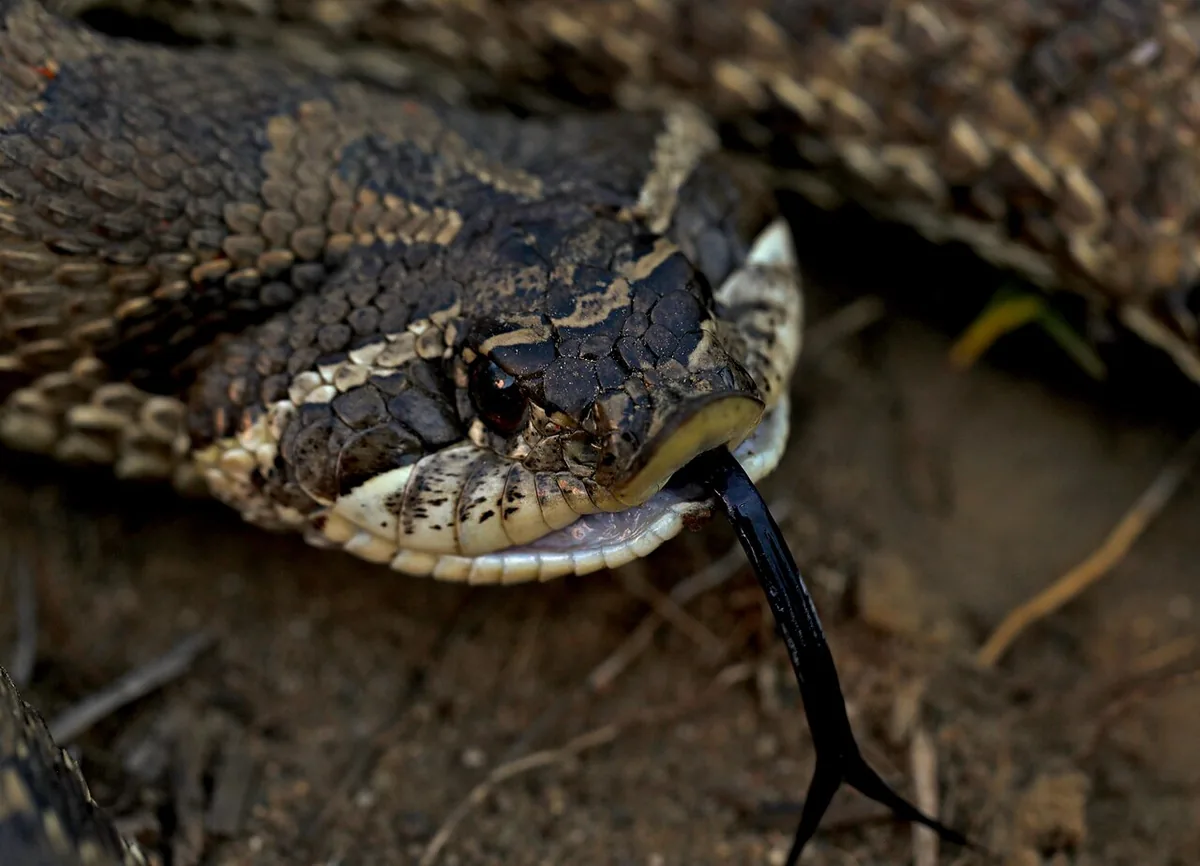
Hognose enclosure guidance splits by sex and by species, which is unusual and useful. Adult males are given a smaller minimum than adult females, and Eastern hognoses are larger animals than Westerns.
What published sources give
| Figure | Size | Notes |
|---|---|---|
| Adult males | 20 gal minimum (~30 x 13 x 13 in) | Commonly published figure |
| Easterns and adult female Westerns | 40 gal (~36 x 18 x 16 in) | Described as the more appropriate minimum |
| Substrate | Deep enough to burrow | They are dedicated diggers |
Checked September 20, 2026. Where sources differ the range is shown rather than averaged. These are the figures published as minimums; none of them is a maximum.
What changes as they grow
Hatchling and juvenile
Small, and hognoses are notably good at squeezing out of imperfect enclosures. Secure the lid before you bring one home.
Adult
20 gallons for males, 40 for Easterns and adult female Westerns. Because the difference tracks sex and species rather than age, this is worth establishing at purchase.
Enclosure mistakes specific to this species
A lid that is not genuinely secure
Snakes test every seam, and a determined animal will lift an unweighted glass lid or push through a warped one. An escaped snake is a lost snake in most homes, and a thermally stranded one. Locking lids or a front-opening enclosure with a proper catch.
Shallow substrate
Hognose snakes burrow, and the behaviour is not optional enrichment for them. An enclosure with a thin layer of substrate removes a natural behaviour and tends to produce a restless snake.
Assuming one size fits the species
Published minimums differ by both sex and species here. Using the male figure for an adult female Western, or a Western figure for an Eastern, undersizes the enclosure.
Enclosure hazards that apply to almost every setup
Five hazards come up across nearly every species on this site: contact burns from unguarded heat, UVB that never reaches the animal, cutting ventilation to hold humidity, unsecured decor, and trusting a bulb's wattage instead of a thermometer. They are set out in full, with sources, on our enclosure hazards page, which is worth reading once against any setup including one that looks finished.
Signs the enclosure is wrong
Animals tell you about their housing through behaviour before they tell you through illness. None of these is a diagnosis; each is a reason to look at the enclosure and, where noted, to call a vet.
| What you see | What it can mean |
|---|---|
| Constant surface roaming in a burrowing species | Often substrate that is too shallow to dig in. |
| Escape attempts at seams | Hognoses are persistent and small enough to exploit gaps. |
| Refusing food | Very common in this species for dietary reasons; check the enclosure too. |
| Burns | Unregulated heat. Veterinary attention. |
Common questions
What size enclosure does a hognose snake need?
Published guidance differs by sex and species: around 20 gallons, roughly 30 by 13 by 13 inches, is given as a minimum for adult males, while 40 gallons, roughly 36 by 18 by 16 inches, is described as more appropriate for Eastern hognoses and adult female Westerns.
Do hognose snakes need deep substrate?
Yes. They are dedicated burrowers and the behaviour is natural rather than incidental. Substrate deep enough for the snake to dig into and disappear is part of the enclosure rather than a decoration.
Do hognose snakes escape?
They are good at it. They are small, strong and persistent, and will exploit gaps around lids and cable entries. Secure fastenings matter with this species.