How Long Do Carpet Pythons Live?
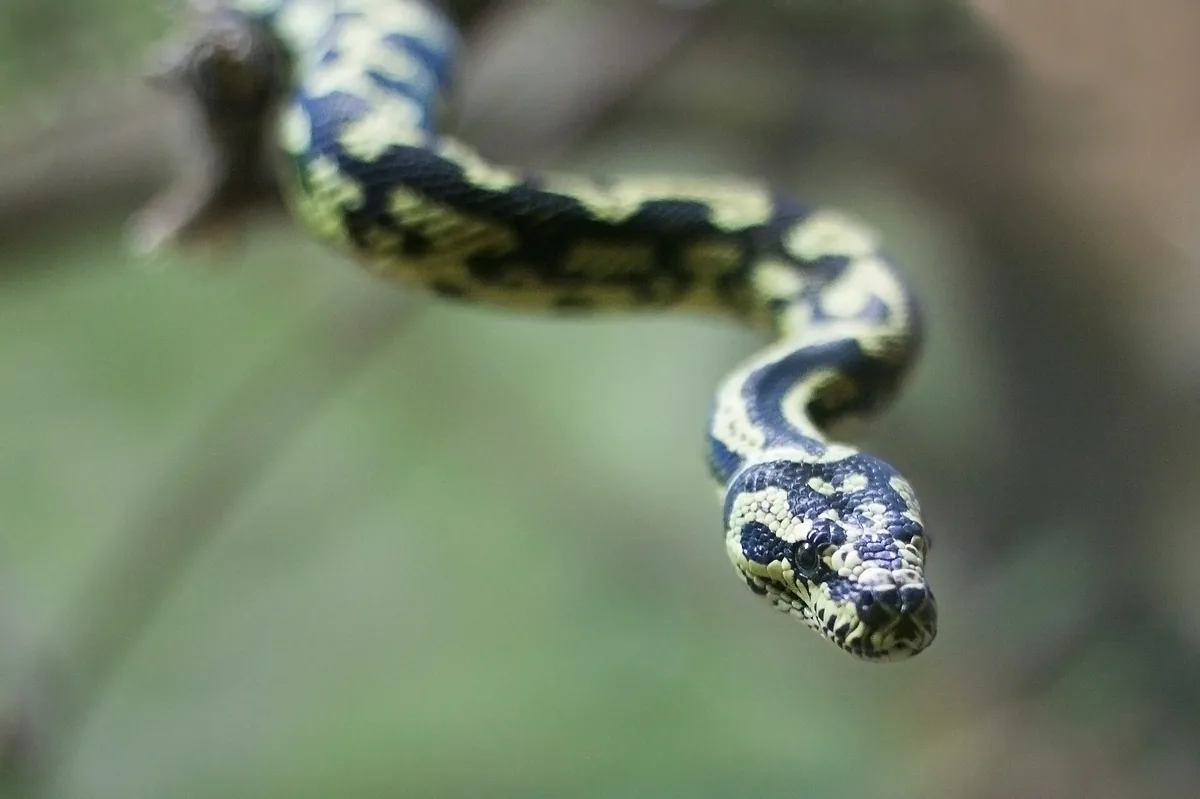
Carpet pythons commonly live 15 to 20 years, with around 30 recorded in captivity. Lifespan does not vary much across the subspecies, which is unusual for a group whose adult sizes differ by several feet.
Published lifespan figures
| Figure | Value | Notes |
|---|---|---|
| Commonly published | 15-20 years | From this site's care guide |
| Recorded maximum | Around 30 years | In captivity |
| Subspecies | No major lifespan difference | Unlike size |
Checked September 20, 2026 against the sources at the foot of this page. Where sources differ the range is shown rather than averaged.
What actually shortens it
Published lifespans describe well-kept animals. The gap between the figure above and what a carpet python actually lives is almost entirely husbandry, and these are the levers that matter most.
Overfeeding
The commonest way a captive snake's life is shortened. Adults stop growing and keep being fed on a growth schedule, and obesity brings organ disease with it. Judge by body condition rather than by appetite, which stays enthusiastic regardless.
Unregulated heat
Thermal burns are among the most common reptile injuries, and snakes are particularly exposed because they coil against a heat source rather than moving off it. Every heat source on a thermostat.
An enclosure sized for the wrong subspecies
A coastal carpet python in an enclosure sized for a jungle carpet is chronically cramped. Because the subspecies question is often unanswered at purchase, this is a common and avoidable stressor.
Common questions
How long do carpet pythons live?
Commonly 15 to 20 years with good husbandry, and individuals have reached about 30 years in captivity. Lifespan is fairly consistent across the subspecies even though size is not.
What shortens a carpet python's life?
Overfeeding and obesity, unregulated heat sources, and chronic cramping in an enclosure sized for a smaller subspecies than the one you actually own.
Do jungle carpets live as long as coastal carpets?
Published lifespans do not differ meaningfully across subspecies. What differs substantially is adult size, and therefore the enclosure each needs.