What do carpet pythons eat?
The short answer
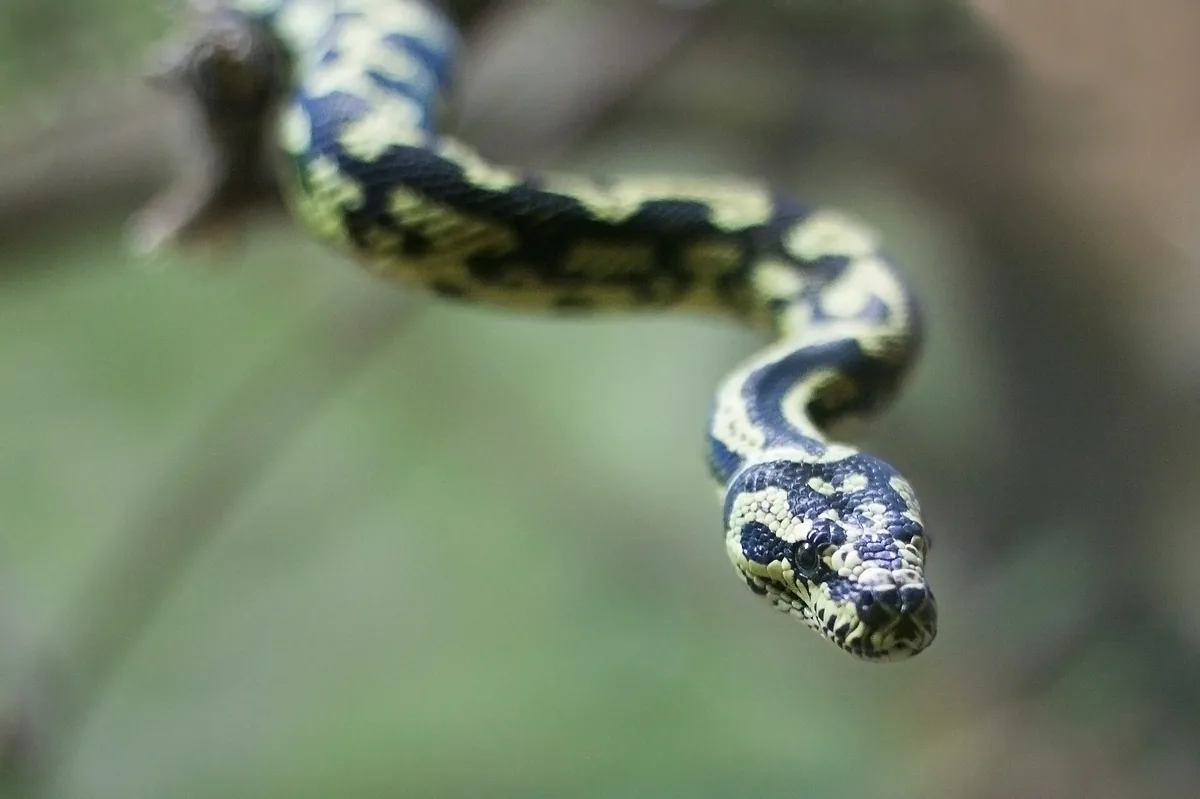
Carpet pythons eat whole rodents. The complication is that adult size varies enormously across the group, from a five-foot jungle carpet to a coastal carpet over eight feet, so a single feeding chart does not fit the species. Size prey against your animal, not against the name on the label.
Feeding schedule by age
| Life stage | Diet balance | How often | Notes |
|---|---|---|---|
| Hatchling | Pinky to fuzzy | Every 7 days | Nippy and food-driven |
| Juvenile | Appropriately sized mouse | Every 7-10 days | Size up by girth |
| Adult | Rat, sized to subspecies | Every 10-14 days | Coastal animals take more |
What to feed
| Food | Role | Why |
|---|---|---|
| Frozen-thawed rodents | Staple | Safer than live; thaw in the fridge, warm in warm not hot water |
| Rats | Adults | Sized to the individual animal |
| Mice | Juveniles and small subspecies | Standard |
What never to feed
Items in this table are either outright toxic or cause predictable long-term harm. This is the part of the page worth reading twice.
| Do not feed | Why |
|---|---|
| Live prey left unattended | Rodents bite and can seriously wound or kill a snake. |
| Prey wider than the snake's thickest point | Regurgitation and injury risk. |
| Wild-caught rodents | Parasite, disease and rodenticide risk. |
| Meat, eggs or other substitutes | Snakes need whole prey for complete nutrition. |
| Reaching in without a hook | Strong feeding response, especially in juveniles. |
| Using a generic carpet python feeding chart | Subspecies differ by several feet in adult length. |
Where good sources disagree
Care sheets do not all say the same thing, and pretending otherwise helps nobody. These are the real points of difference between the sources cited at the foot of this page, and what we think the safe reading is.
Whether a single feeding schedule fits the group.
Care sheets often give one interval for all carpet pythons. Given that adult size ranges from roughly five to nine feet across subspecies, that guidance is necessarily approximate. Feeding by body condition and girth is more reliable than any published interval.
What most carpet python feeding advice gets wrong
The nippy phase ends.
Carpet pythons have a reputation for being defensive that comes almost entirely from hatchlings and yearlings, which are small, prey-driven and quick to strike. The overwhelming majority calm substantially as adults with consistent, unhurried handling. Using a hook to signal that it is handling time rather than feeding time shortens that phase considerably.
Know your subspecies before you size a meal.
A jungle carpet and a coastal carpet can differ by three feet as adults. Prey sized for the larger animal will be too big for the smaller one, with regurgitation risk attached. Ask the breeder which subspecies you bought and size against the snake in front of you.
Common questions
What do carpet pythons eat?
Appropriately sized whole rodents: mice for juveniles and smaller subspecies, rats for most adults. Frozen-thawed is standard. No supplementation is needed, since whole prey provides complete nutrition.
How often should I feed a carpet python?
Adults typically every ten to fourteen days, juveniles about weekly while growing. Because adult size varies so much by subspecies, judge portions and intervals by your animal's body condition rather than a generic chart.
Why is my carpet python so snappy?
Juvenile carpet pythons are defensive and strongly food-motivated, and that accounts for most of the species' reputation. It is a life stage rather than a permanent temperament. Consistent, calm handling and using a hook to distinguish handling from feeding both help.