← Red-Eyed Crocodile Skink care guide
How Long Do Red-Eyed Crocodile Skinks Live?
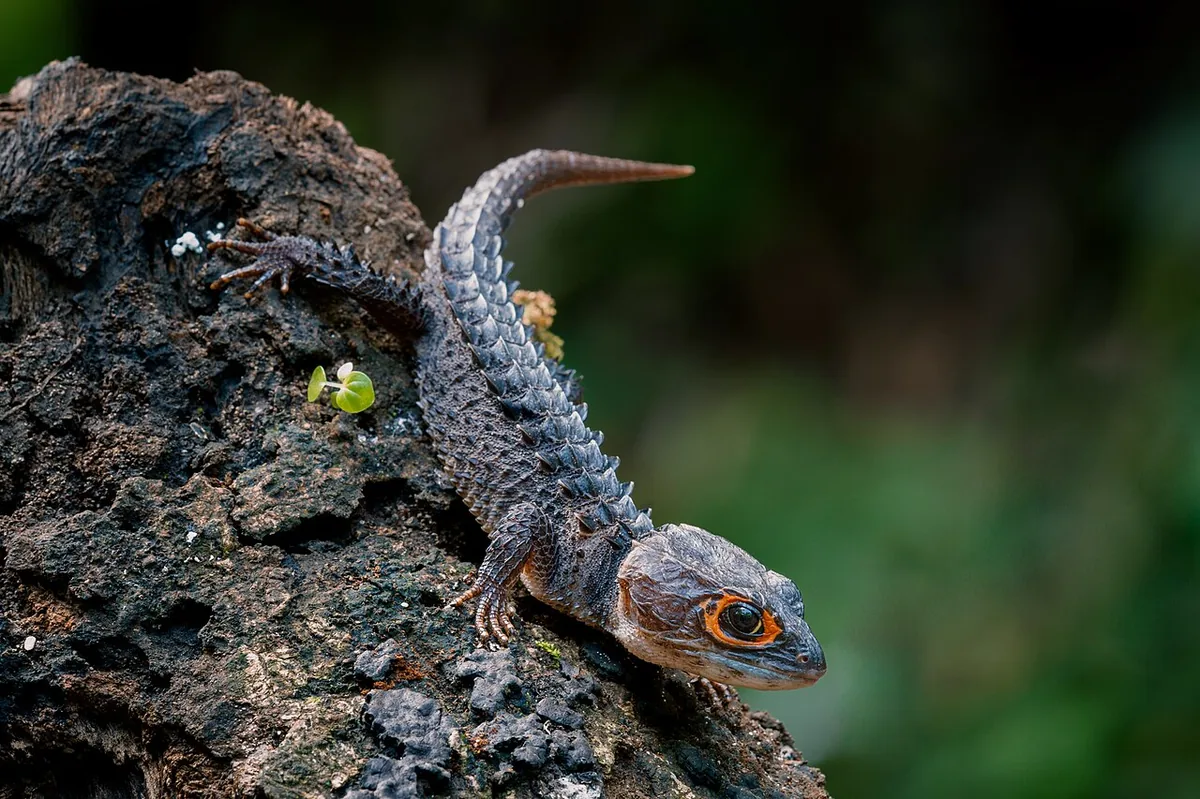
Red-eyed crocodile skinks are commonly published at 10 to 12 years. They are shy, humidity-dependent forest-floor animals, and both of those facts shape what goes wrong with them.
Published lifespan figures
| Figure | Value | Notes |
|---|---|---|
| Commonly published | 10-12 years | The usual captive range |
| Wild-caught | Historically common | Captive breeding has improved |
| Humidity-dependent | Strongly | The defining variable |
Checked September 20, 2026 against the sources at the foot of this page. Where sources differ the range is shown rather than averaged.
What actually shortens it
Published lifespans describe well-kept animals. The gap between the figure above and what a red-eyed crocodile skink actually lives is almost entirely husbandry, and these are the levers that matter most.
Low humidity
The species-specific one. They come from humid New Guinea forest floor and need consistently high humidity with a water source. Dry conditions cause retained shed and dehydration.
Chronic stress
They are shy, easily startled animals that vocalise and can go rigid when handled. Frequent handling is a continuous stressor rather than a taming process.
Metabolic bone disease
The leading husbandry cause of death in captive lizards, and it is a lighting and supplement failure rather than a feeding one. UVB bulbs lose useful output within 6 to 12 months while still looking lit, and glass filters UVB out entirely.
Common questions
How long do red-eyed crocodile skinks live?
Commonly 10 to 12 years in captivity. Captive-bred animals do better than the wild-caught imports that historically dominated the trade.
What shortens a red-eyed crocodile skink's life?
Low humidity above all, since they come from humid New Guinea forest floor. Chronic stress from handling a naturally shy species is the second.
Do red-eyed crocodile skinks like being handled?
No. They are shy and easily startled, vocalise when alarmed and may go rigid. They are a display animal rather than a handling one.