How Long Do Mourning Geckos Live?
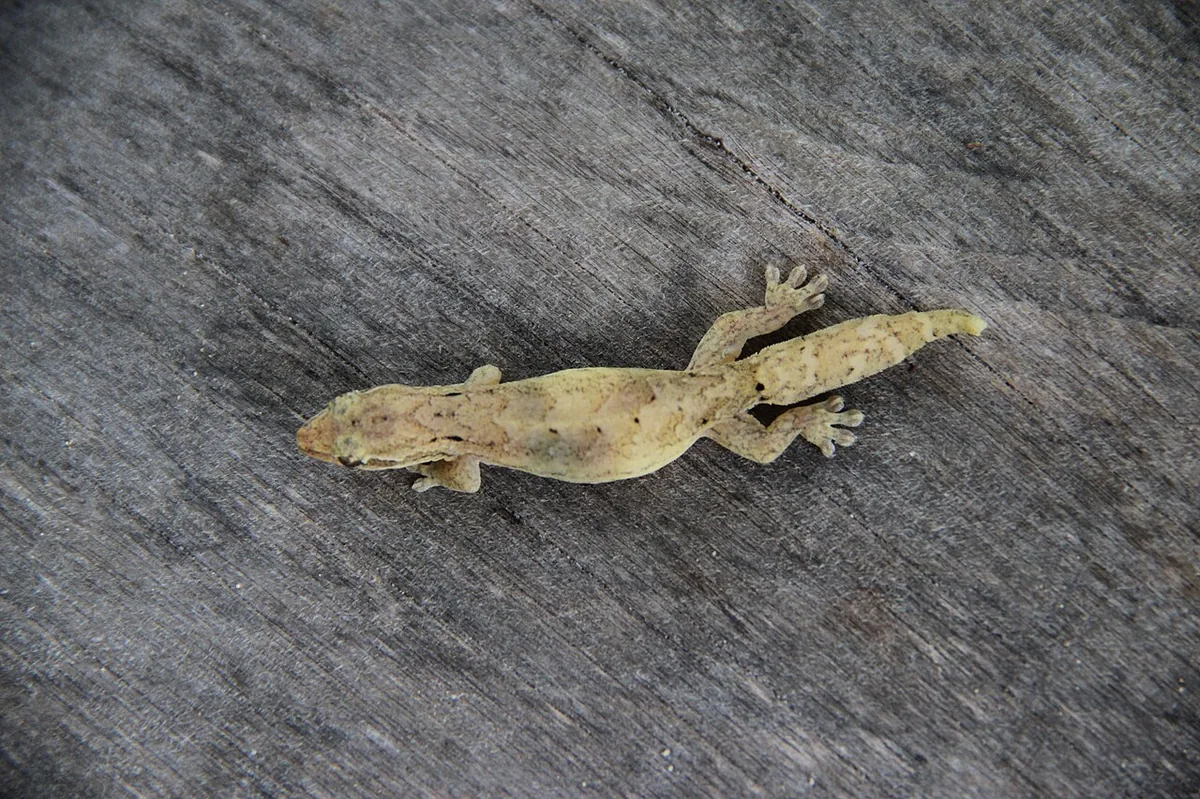
Mourning geckos commonly live 5 to 10 years, but the more useful frame is the colony: they reproduce parthenogenetically, so a group renews itself indefinitely without a male.
Published lifespan figures
| Figure | Value | Notes |
|---|---|---|
| Commonly published | 5-10 years | The usual captive range |
| Colony dynamics | Matter more than individuals | Colonies persist and replace themselves |
| Parthenogenetic | Yes | All individuals are female |
Checked September 20, 2026 against the sources at the foot of this page. Where sources differ the range is shown rather than averaged.
What actually shortens it
Published lifespans describe well-kept animals. The gap between the figure above and what a mourning gecko actually lives is almost entirely husbandry, and these are the levers that matter most.
Being kept alone
The species-specific one. Mourning geckos are social and do badly as solitary animals. Keeping one is a welfare problem rather than a space saving.
Metabolic bone disease
The leading husbandry cause of death in captive lizards, and it is a lighting and supplement failure rather than a feeding one. UVB bulbs lose useful output within 6 to 12 months while still looking lit, and glass filters UVB out entirely.
An enclosure that dries out
They are small tropical geckos with very little margin for dehydration. Humidity lapses show quickly at this size.
Common questions
How long do mourning geckos live?
Commonly 5 to 10 years individually. Because they are parthenogenetic, a colony sustains itself indefinitely as individuals are replaced.
Are all mourning geckos female?
Effectively yes. The species is parthenogenetic, so individuals are female clones and no male is needed for reproduction.
Can mourning geckos be kept alone?
They should not be. They are social animals that do poorly in isolation, and a small group is the appropriate way to keep them.