Mourning Gecko Enclosure and Habitat
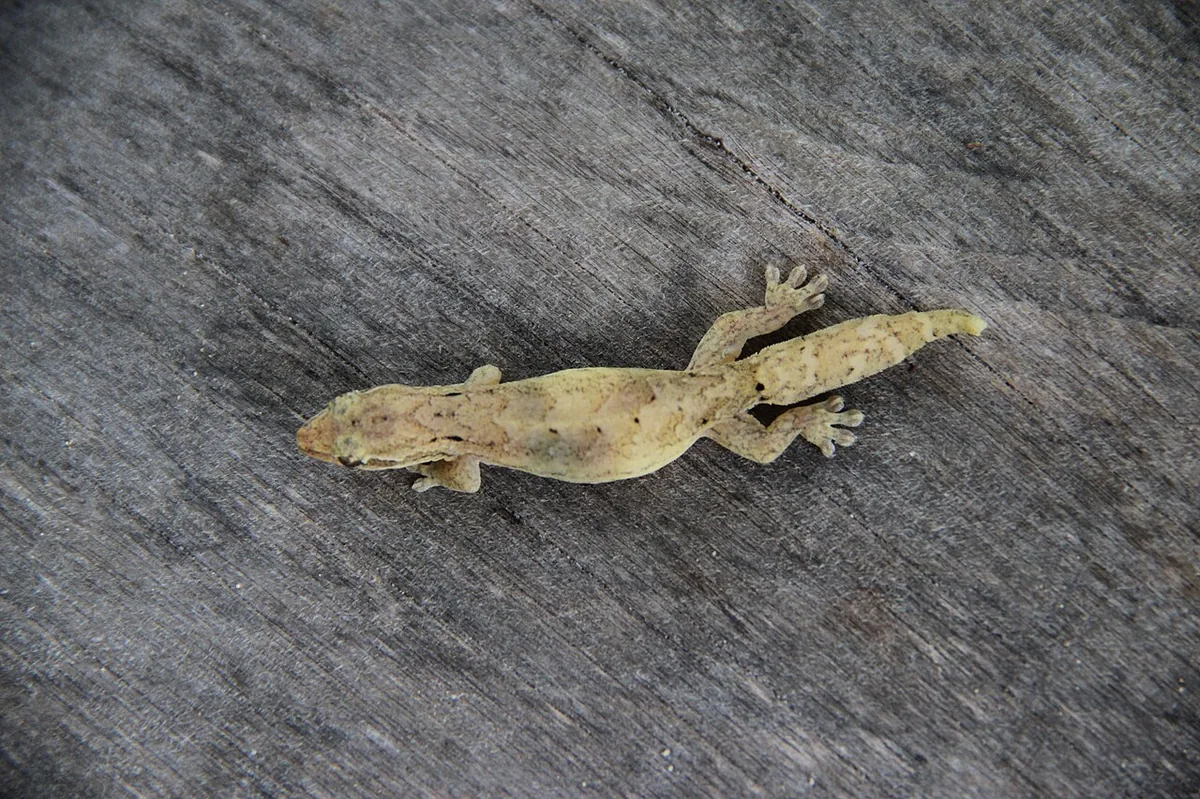
Mourning geckos are tiny and can thrive in a 12 by 12 by 18 inch enclosure even as adults, particularly in groups. The catch is that the group grows by itself, because every animal is female and reproduces without mating.
What published sources give
| Figure | Size | Notes |
|---|---|---|
| Adult, even in groups | 12 x 12 x 18 in can work | Published for this small species |
| Orientation | Arboreal; vertical planted space | They live above the floor |
| Occupancy | Parthenogenetic, all-female colonies | The colony expands on its own |
| Feeding stations | Several, at different heights | Prevents monopolising |
Checked September 20, 2026. Where sources differ the range is shown rather than averaged. These are the figures published as minimums; none of them is a maximum.
What changes as they grow
Hatchling
Extremely small, and easily lost in a large vivarium. Dense planting helps.
Colony
This is the growth that catches people out. A parthenogenetic colony keeps producing, so plan enclosure capacity and rehoming in advance.
Enclosure mistakes specific to this species
Planning for the animals you bought
Mourning geckos reproduce without males. A pair becomes a colony, and enclosure capacity, feeding stations and rehoming all need thinking about before it happens rather than after.
A single feeding station
In a growing colony one dish gets monopolised and smaller animals feed poorly. Several small stations at different heights solves it.
Unguarded bulbs, especially for climbers
Contact burns from bulbs are among the most common reptile injuries, and burn guidance singles out arboreal species because they climb toward the heat. Guard every bulb and emitter the animal can reach.
Enclosure hazards that apply to almost every setup
Five hazards come up across nearly every species on this site: contact burns from unguarded heat, UVB that never reaches the animal, cutting ventilation to hold humidity, unsecured decor, and trusting a bulb's wattage instead of a thermometer. They are set out in full, with sources, on our enclosure hazards page, which is worth reading once against any setup including one that looks finished.
Signs the enclosure is wrong
Animals tell you about their housing through behaviour before they tell you through illness. None of these is a diagnosis; each is a reason to look at the enclosure and, where noted, to call a vet.
| What you see | What it can mean |
|---|---|
| Some animals consistently smaller or thinner | Feeding competition. Add stations. |
| Population outgrowing the enclosure | Expected, not exceptional. Plan for it. |
| Escapes | They are tiny and will use any gap. |
| Stuck shed on toes | Humidity too low. |
Common questions
How big an enclosure do mourning geckos need?
A 12 by 12 by 18 inch enclosure can work even for adults, especially when kept in groups. They are very small and arboreal, so vertical planted space matters more than volume.
Why does my mourning gecko colony keep growing?
They are parthenogenetic: every animal is female and reproduces without mating. A colony expands on its own, so enclosure capacity and rehoming should be planned in advance.
How many feeding stations does a mourning gecko colony need?
Several, at different heights. With one dish, dominant animals monopolise it and smaller geckos feed poorly, which shows up as inconsistent size across the colony.