What do mourning geckos eat?
The short answer
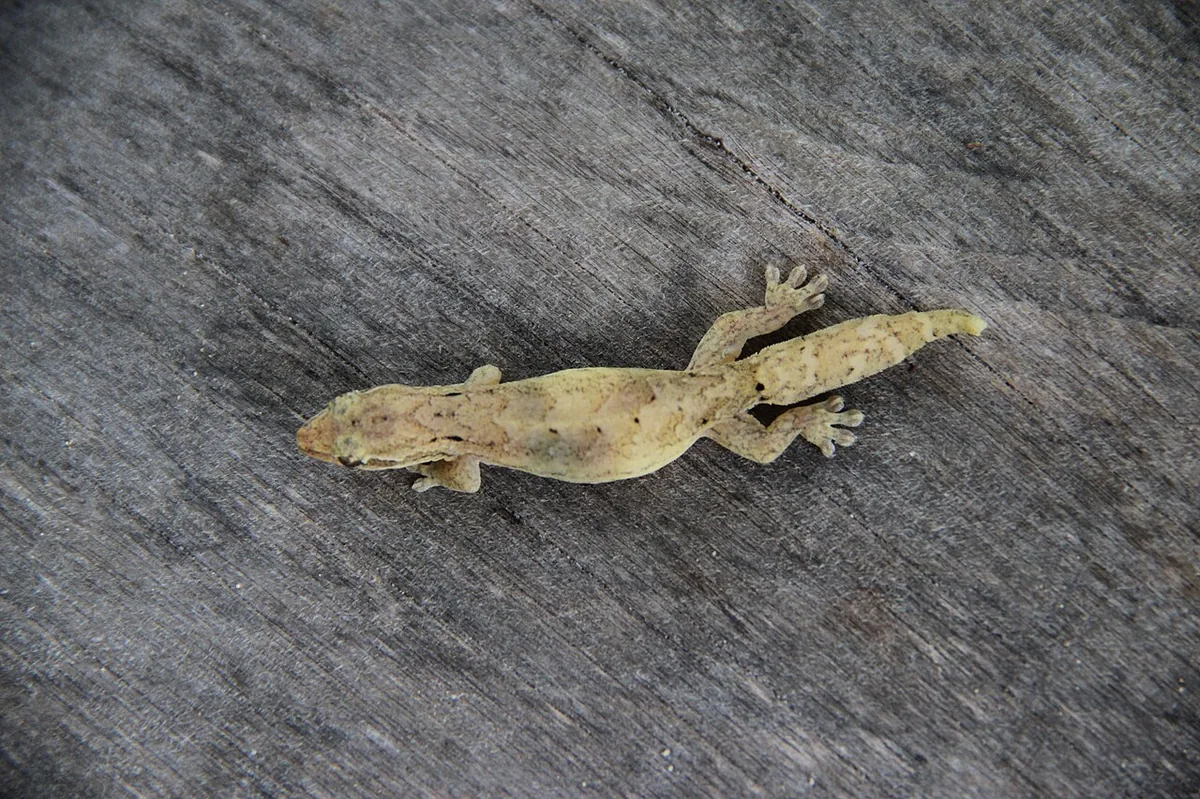
Mourning geckos eat micro-insects and commercial gecko diet, in roughly equal measure. Everything is scaled down: fruit flies rather than crickets, small dishes rather than bowls. They are parthenogenetic and all-female, so a colony grows on its own, and the feeding plan has to grow with it.
Feeding schedule by age
| Life stage | Diet balance | How often | Notes |
|---|---|---|---|
| Hatchling | Fruit flies, springtails | Daily | Very small prey |
| Adult | Fruit flies, micro-crickets, CGD | CGD every 2-3 days, insects weekly | Scale with colony size |
| Colony | Multiple feeding stations | Each feeding | Prevents monopolisation |
What to feed
| Food | Role | Why |
|---|---|---|
| Flightless fruit flies | Staple insect | Correct size for the species |
| Commercial gecko diet | Staple | Shallow dishes, refreshed each feeding |
| Springtails and isopods | Continuous | Bioactive foraging |
| Micro-crickets | Rotation | Sized well below head width |
| Dubia roaches | Staple | Good protein and ratio, low chitin |
| Crickets | Staple | Cheap and active; gut-load first |
| Black soldier fly larvae | Staple | Naturally calcium-rich |
| Hornworms, silkworms | Rotation | Hydrating and low fat |
| Waxworms, superworms | Treat only | High fat |
| Gut-loaded insects | Requirement | Feed the insects 24-48h before offering |
| Calcium dusting | Requirement | Insects are calcium-poor and phosphorus-rich |
What never to feed
Items in this table are either outright toxic or cause predictable long-term harm. This is the part of the page worth reading twice.
| Do not feed | Why |
|---|---|
| Standard-sized crickets | Far too large for this species. |
| A single feeding station in a colony | Dominant animals monopolise it. |
| Fruit and vegetables as a food group | Not usable by an insectivore. |
| Wild-caught insects | Pesticide, parasite and toxicity risk. |
| Fireflies / lightning bugs | Toxic to reptiles. |
| Prey larger than the space between the eyes | Standard feeder-size rule; impaction risk. |
| Relying on one feeder species | Variety covers what a single insect cannot. |
Where good sources disagree
Care sheets do not all say the same thing, and pretending otherwise helps nobody. These are the real points of difference between the sources cited at the foot of this page, and what we think the safe reading is.
How much insect protein a colony needs alongside CGD.
Practice ranges from weekly insects to insects only occasionally, with commercial diet doing most of the work. Colonies do well across that range. Breeding females are generally agreed to benefit from more insect protein.
What most mourning gecko feeding advice gets wrong
The colony grows whether you planned for it or not.
Mourning geckos are parthenogenetic: every animal is female and reproduces without mating. A pair becomes a colony, and the feeding plan needs scaling accordingly. This is a feature for most keepers and a surprise for some.
Feed in several places.
In a growing colony, a single dish gets monopolised and smaller animals feed poorly. Multiple small feeding stations at different heights resolve it, and suit a species that lives vertically.
Common questions
What do mourning geckos eat?
Micro-insects and commercial gecko diet in roughly equal measure. Flightless fruit flies and micro-crickets provide the insect half; a crested-gecko-style powdered diet mixed with water provides the rest, offered in shallow dishes.
Do mourning geckos need insects if they get gecko diet?
Commercial gecko diet does much of the nutritional work, but insects are valuable, especially for actively breeding females. Weekly fruit flies or micro-crickets are a common approach, with springtails and isopods providing continuous low-level foraging in bioactive setups.
Why does my mourning gecko colony keep growing?
Because the species is parthenogenetic: all individuals are female and reproduce without mating. Colonies expand on their own, so plan feeding stations, enclosure size and rehoming in advance.