How Long Do Bearded Dragons Live?
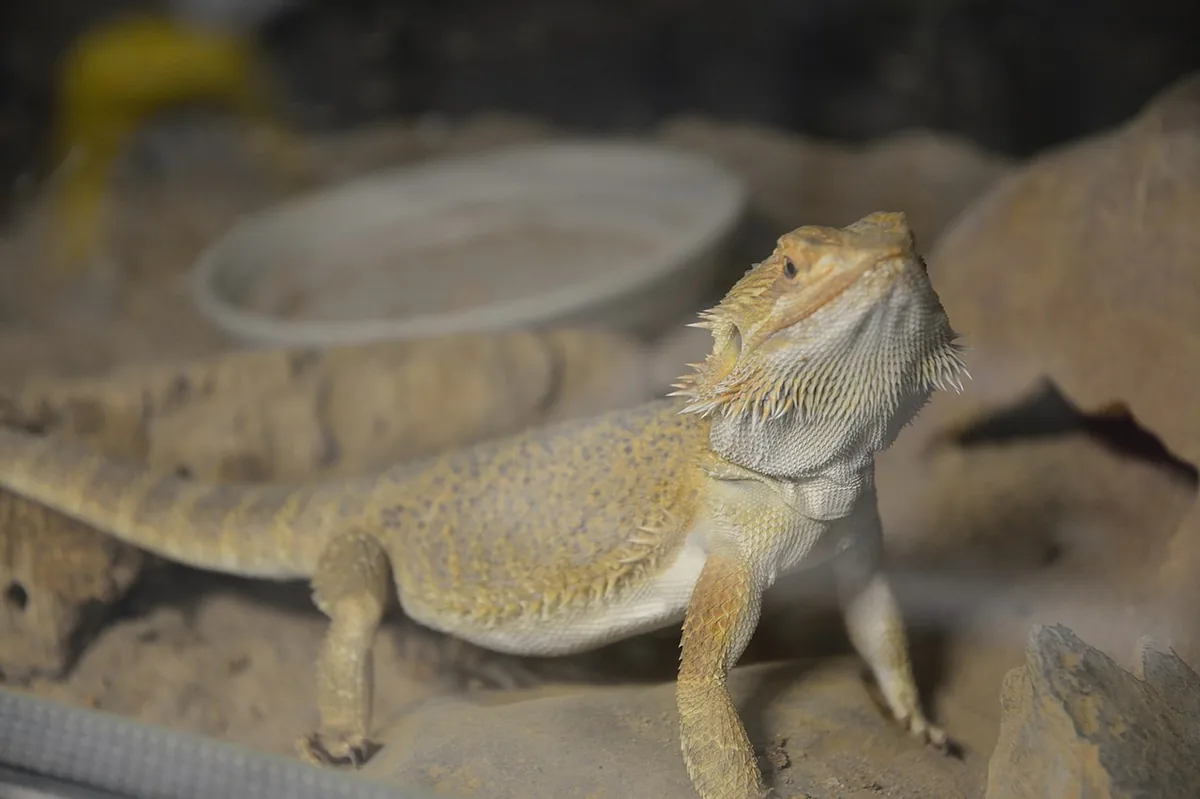
Bearded dragons commonly live 8 to 12 years, with excellent husbandry extending that to 13 to 15. Reports beyond 18 years circulate but are unverified.
Published lifespan figures
| Figure | Value | Notes |
|---|---|---|
| Commonly published | 8-12 years | The usual captive range |
| Excellent husbandry | 13-15 years | Documented |
| Reports beyond 18 years | Unverified | Treat with caution |
Checked September 20, 2026 against the sources at the foot of this page. Where sources differ the range is shown rather than averaged.
What actually shortens it
Published lifespans describe well-kept animals. The gap between the figure above and what a bearded dragon actually lives is almost entirely husbandry, and these are the levers that matter most.
Metabolic bone disease
The defining cause of early death in this species. Bulb type, distance from the basking site and replacement schedule are the dominant predictors of how long a bearded dragon lives, more than diet is.
Obesity
Adults are largely herbivorous and are routinely fed the insect-heavy diet appropriate to juveniles. Fatty liver disease follows, and it is common in captive adults.
Impaction
From loose particulate substrate taken up with insects, compounded by feeding prey larger than the space between the eyes.
Common questions
How long do bearded dragons live?
Commonly 8 to 12 years in captivity, with documented cases reaching 13 to 15 under excellent husbandry. Claims beyond 18 years are unverified.
What is the leading cause of early death in bearded dragons?
Metabolic bone disease from inadequate UVB. Bulb type, mounting distance and replacement schedule predict lifespan in this species more strongly than diet does.
Do male or female bearded dragons live longer?
Roughly equal in captivity. Unbred females have similar lifespans to males, unlike chameleons where egg production shortens female lives substantially.
How do I maximise a bearded dragon's lifespan?
Correct T5 HO UVB replaced on schedule, a diet that shifts from insect-heavy to plant-heavy with maturity, accurate basking and ambient temperatures, and a substrate that does not cause impaction.