What do bearded dragons eat?
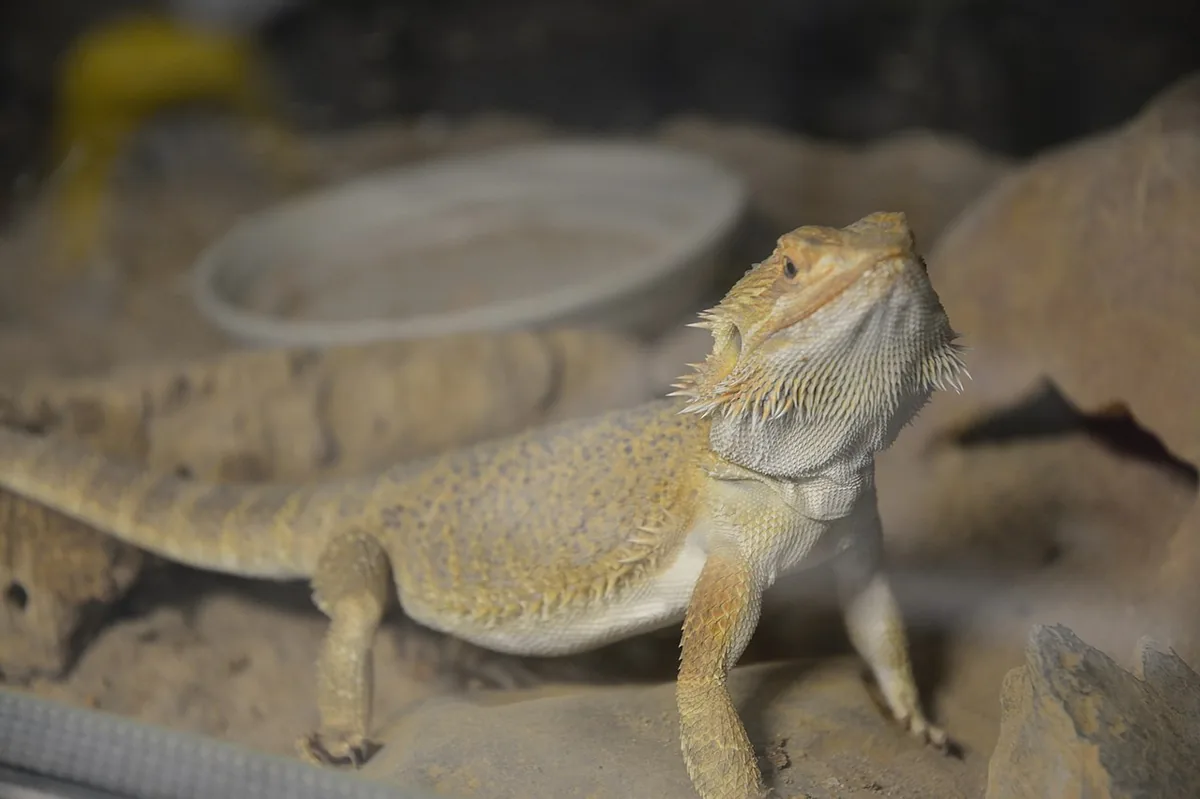
The short answer
Bearded dragons are omnivores whose diet reverses as they age. Juveniles eat mostly live insects with greens offered daily; adults eat mostly greens with insects a few times a week. Adult dragons fed a juvenile insect load become obese and develop fatty liver disease, which is the single most common nutrition problem keepers create.
Feeding schedule by age
| Life stage | Diet balance | How often | Notes |
|---|---|---|---|
| Hatchling to ~3 months | Insect-led | 1-2x daily | Calcium daily |
| Juvenile, 3-12 months | Insect-led, greens offered daily | 1-2x daily | Calcium daily; D3 2-3x/week |
| Sub-adult, 12-18 months | Transitioning to plant-led | Daily greens, insects most days | Calcium daily; D3 2-3x/week |
| Adult, 18+ months | Plant-led | Greens daily; insects every 24-72h | Calcium daily; D3 2-3x/week |
What to feed
| Food | Role | Why |
|---|---|---|
| Collard greens | Staple | Strong calcium-to-phosphorus ratio |
| Dandelion greens | Staple | High calcium; widely recommended |
| Turnip greens | Staple | Strong ratio |
| Mustard greens | Rotate | Goitrogenic in excess |
| Endive / escarole | Staple | Good hydration and ratio |
| Butternut squash, bell pepper | Regular | Adds variety and vitamin A |
| Dubia roaches | Staple insect | ~48% crude protein, favourable ratio, low chitin |
| Black soldier fly larvae | Staple insect | Naturally calcium-rich (~1.5:1) |
| Crickets | Staple insect | Must be gut-loaded and dusted |
| Waxworms, superworms | Treat only | High fat; not a staple |
What never to feed
Items in this table are either outright toxic or cause predictable long-term harm. This is the part of the page worth reading twice.
| Do not feed | Why |
|---|---|
| Fireflies / lightning bugs | Toxic. Fatal in small amounts. |
| Avocado | Toxic to reptiles. |
| Rhubarb | Toxic; extremely high oxalate. |
| Onion, garlic, chives, leeks | Toxic. |
| Wild-caught insects | Pesticide and parasite risk. |
| Spinach, Swiss chard, beet greens | Not toxic, but oxalates bind calcium. Not staples. |
| Iceberg lettuce | No meaningful nutrition; water with no benefit. |
Where good sources disagree
Care sheets do not all say the same thing, and pretending otherwise helps nobody. These are the real points of difference between the sources cited at the foot of this page, and what we think the safe reading is.
How insect-heavy a juvenile should be.
VCA Animal Hospitals gives a general guideline of roughly 50% plant and 50% insect material across the species, while many husbandry sources put juveniles nearer 70-80% insects and adults at 70-80% plants. These are not really in conflict: VCA is describing an average across a lifetime, the husbandry figures describe the two ends of it. The safe reading is that the ratio flips with age, and that no adult should be eating like a juvenile.
Whether kale belongs in the bowl.
VCA lists kale and cabbage among acceptable vegetables, and in the same article advises limiting goitrogens, which is what kale and cabbage are. Both statements are defensible: goitrogenic load matters at staple frequency, not at rotation frequency. Treat kale as a rotation green rather than a daily one and you satisfy both.
What most bearded dragon feeding advice gets wrong
Adults do not need daily insects.
This is the most common and most damaging feeding error with this species. An adult bearded dragon fed insects every day, on the schedule that was correct when it was four months old, gains weight it cannot use and develops hepatic lipidosis. The shift to a plant-led adult diet is not optional enrichment, it is the difference between a dragon that lives eight years and one that lives fifteen.
Calcium powder does not work without UVB.
Dusting is only half of calcium metabolism. Without adequate UVB the animal cannot synthesise vitamin D3 and cannot use the calcium it eats, which is why metabolic bone disease still appears in dragons whose owners dusted every meal. See our page on bearded dragon UVB and metabolic bone disease.
"Gut-loaded" on the label often is not.
Feeder insects are naturally poor in calcium, and insects sold as gut-loaded have frequently not been fed a calcium-rich diet before sale. If it matters to you that the insect carries nutrition rather than just protein, feed the insects yourself for 24 to 48 hours before they go in the bowl.
Common questions
What do bearded dragons eat?
Bearded dragons are omnivores. They eat live insects such as dubia roaches, crickets and black soldier fly larvae, plus leafy greens and vegetables such as collard greens, dandelion greens and squash. The balance shifts with age: juveniles eat mostly insects, adults eat mostly plants with insects a few times a week.
How often should I feed an adult bearded dragon?
VCA Animal Hospitals gives a feeding interval of every 24 to 72 hours for adults, with fresh greens available daily. Young dragons eat once or twice a day. Adults fed on a juvenile schedule commonly become obese, so judge by body condition rather than by appetite, which stays enthusiastic regardless.
What vegetables can bearded dragons not eat?
Avocado and rhubarb are genuinely toxic and must never be offered, as are onion, garlic, chives and leeks. Spinach, Swiss chard and beet greens are not poisonous but are high in oxalates that bind dietary calcium, so they should be occasional rather than staple foods. Iceberg lettuce offers no useful nutrition.
Can bearded dragons eat fruit?
In small amounts, as an occasional treat. Fruit is high in sugar and generally has a poor calcium-to-phosphorus ratio, so it should not form a regular part of the diet. Berries, melon and papaya are commonly offered; citrus is usually avoided. Treat fruit as garnish, not as a food group.
Do bearded dragons need calcium powder every day?
Veterinary guidance is to lightly dust food with a phosphorus-free calcium powder daily, and to use a calcium product containing vitamin D3 two to three times per week. Supplementation alone is not sufficient: without adequate UVB the animal cannot use the calcium, and metabolic bone disease can develop anyway.
Why is my bearded dragon not eating?
Common causes include brumation in adults, an enclosure that is too cool, inadequate UVB, impaction, parasites, or stress from a recent move. Appetite loss combined with weight loss, lethargy or abnormal stool warrants an exotics veterinarian rather than a husbandry tweak.