← White's Tree Frog care guide
How Long Do White's Tree Frogs Live?
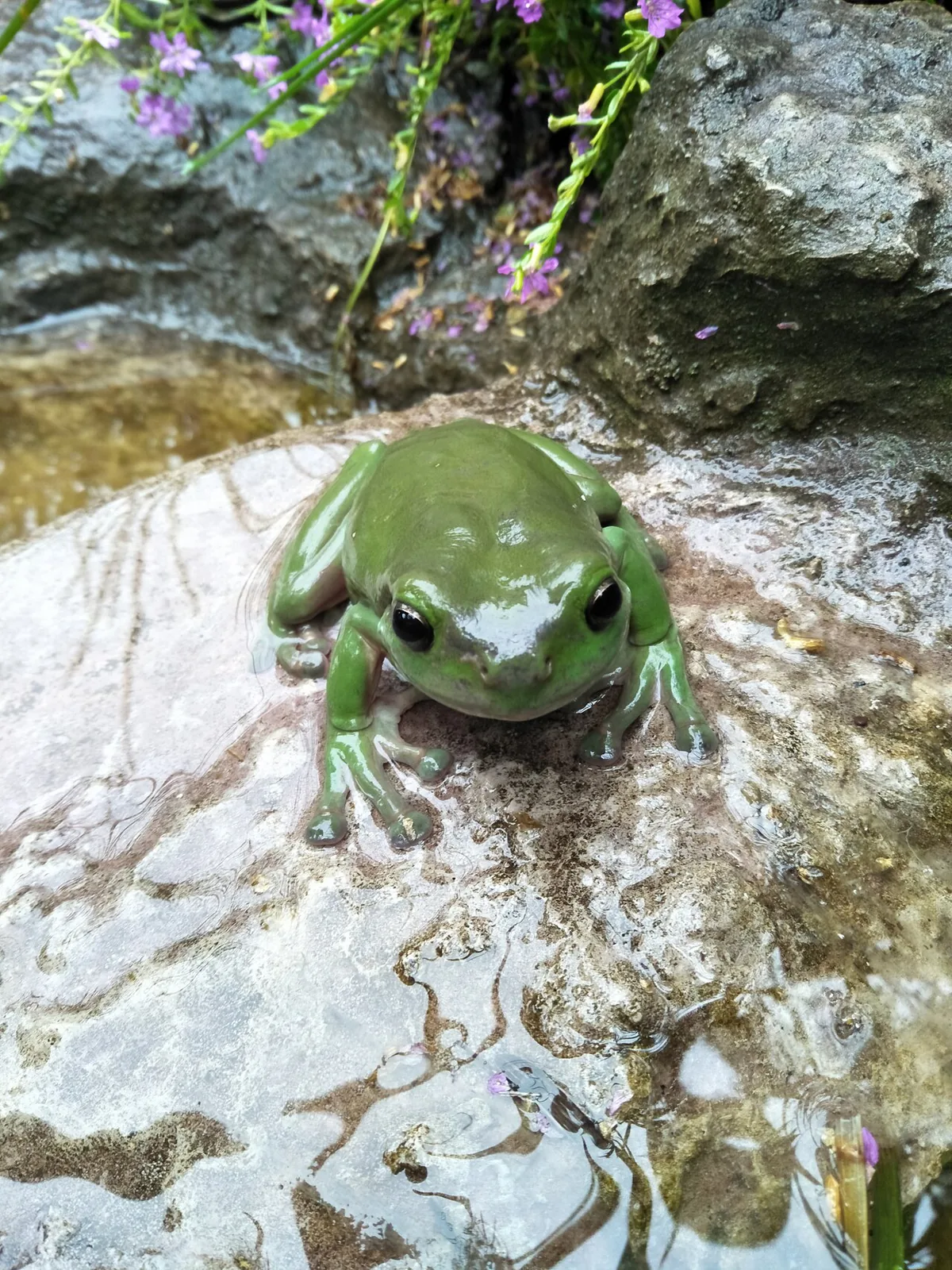
White's tree frogs commonly live 16 to 21 years, with individuals reported beyond 20. The thing most likely to cut that short is something many keepers believe is a feature of the species.
Published lifespan figures
| Figure | Value | Notes |
|---|---|---|
| Commonly published | 16-21 years | Long-lived for a tree frog |
| Some individuals | Beyond 20 years | Reported |
| Reality for many | Shorter | Obesity is endemic in this species |
Checked September 20, 2026 against the sources at the foot of this page. Where sources differ the range is shown rather than averaged.
What actually shortens it
Published lifespans describe well-kept animals. The gap between the figure above and what a white's tree frog actually lives is almost entirely husbandry, and these are the levers that matter most.
Obesity, more than in any other commonly kept frog
White's tree frogs put fat down around the head, producing the folded look that keepers often mistake for the species' normal appearance. It is not normal, and it shortens lives.
Untreated tap water
The commonest avoidable killer in amphibian keeping. Amphibian skin absorbs what it touches, so chlorine and chloramine in tap water are taken straight in. Every drop an amphibian sits in, drinks from or is misted with has to be dechlorinated.
Being handled
Amphibian skin is a respiratory and absorptive organ rather than a barrier. Oils, soap residue and salts from human hands pass through it. Handling should be brief, wet-handed or gloved, and only when genuinely necessary.
Common questions
How long do White's tree frogs live?
Commonly 16 to 21 years, with individuals reported beyond 20. They are among the longer-lived tree frogs in the hobby.
What shortens a White's tree frog's life?
Obesity, more than in any other commonly kept frog. They deposit fat around the head and eyes, producing folds that keepers frequently mistake for the normal look of the species.
Is the folded look on a White's tree frog normal?
Heavy fat deposits around the head are not the healthy appearance of the species, even though they are common in captive animals. A healthy adult has a visible jawline rather than overhanging folds.