What do Russian tortoises eat?
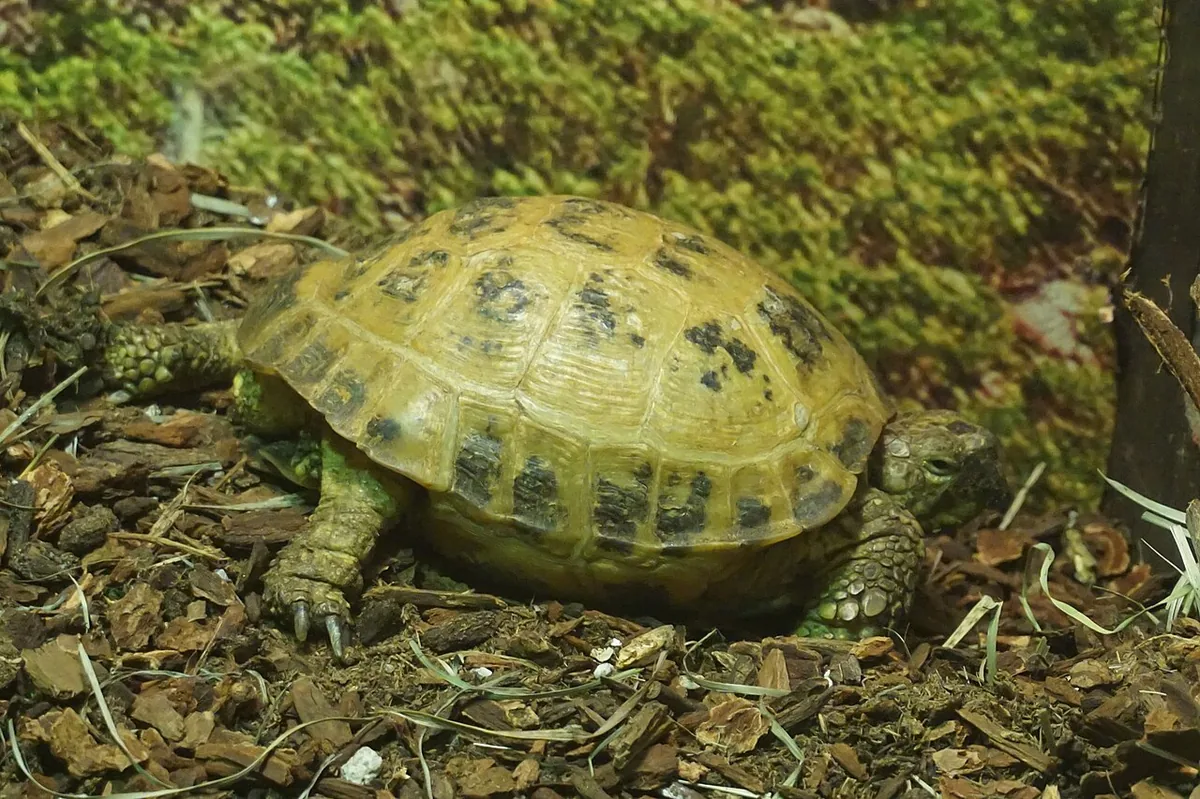
The short answer
Russian tortoises are grazing herbivores that need a high-fibre, low-protein diet of weeds, grasses, hay and leafy greens. Fruit should be rare or absent and animal protein should never be offered. Excess protein is a direct cause of shell pyramiding and kidney failure in captive tortoises, and it is the most common feeding mistake with this species.
Feeding schedule by age
| Life stage | Diet balance | How often | Notes |
|---|---|---|---|
| Hatchling / juvenile | Chopped weeds and greens | Daily | Calcium more often during growth |
| Adult | Weeds, grasses, hay, greens | Daily graze | Calcium as needed; UVB or sunlight essential |
| All ages | Flowers, small vegetable amounts | ~10% of intake | Variety, not the base |
| All ages | Fruit | Rare or none | Not part of the natural diet |
What to feed
| Food | Role | Why |
|---|---|---|
| Dandelion greens and flowers | Staple | Classic tortoise food, high calcium |
| Collard greens | Staple | Good ratio |
| Endive and escarole | Staple | Good fibre and hydration |
| Radicchio | Staple | Well accepted |
| Timothy, Bermuda or orchard hay | Staple fibre | Mix with greens |
| Clover, plantain, mallow | Weeds | Forage if pesticide-free |
| Pansies, roses, nasturtiums | Flowers | Safe, good enrichment |
| Squash, bell pepper | Occasional | Small amounts only |
| Cuttlebone | Calcium | Left available for self-regulation |
What never to feed
Items in this table are either outright toxic or cause predictable long-term harm. This is the part of the page worth reading twice.
| Do not feed | Why |
|---|---|
| Any animal protein | Dog food, cat food, insects, meat. Causes pyramiding and kidney damage. |
| Fruit as a regular food | Sugar and moisture load this arid-habitat species does not handle well. |
| Avocado | Toxic. |
| Rhubarb | Toxic; very high oxalate. |
| Onion, garlic | Toxic. |
| Iceberg lettuce | No meaningful nutrition. |
| Spinach as a staple | Oxalates bind calcium. Occasional only. |
| Pesticide-treated plants or lawn clippings | Chemical exposure risk. |
| Commercial pellets as the whole diet | Too low in fibre for a grazing species. |
Where good sources disagree
Care sheets do not all say the same thing, and pretending otherwise helps nobody. These are the real points of difference between the sources cited at the foot of this page, and what we think the safe reading is.
Whether fruit is allowed at all.
Some sources permit an occasional small piece of fruit; others say never. The disagreement is about frequency rather than principle, and no source recommends fruit as a regular food for this species. Russian tortoises come from arid habitat where fruit is essentially absent, so the safe reading is: if you offer it at all, make it rare and small.
Whether captive tortoises need calcium supplementation.
Guidance ranges from routine supplementation to none at all for tortoises with a varied diet and regular outdoor sun. Both positions depend on the same variable: UVB exposure and diet quality. A tortoise grazing varied weeds outdoors is in a very different position from one eating supermarket greens indoors, and the second one needs the supplement.
What most russian tortoise feeding advice gets wrong
Protein is the danger, not the quantity of food.
A grazing tortoise eating a large volume of weeds is behaving normally. The damage in this species comes from the wrong food rather than too much of the right food: dog or cat food, commercial pellets fed as a whole diet, and fruit-heavy bowls drive shell pyramiding and kidney failure. See shell pyramiding for what that actually looks like.
A calcium-rich diet still fails without UVB.
This is worth repeating because it is the reason well-fed tortoises still develop metabolic bone disease. Calcium is only usable if the animal can synthesise vitamin D3, which requires UVB light or genuine sunlight. Supplement powder does not substitute for lighting.
Supermarket greens are a fallback, not the target.
The natural diet is weeds and grasses, which are far higher in fibre than anything in a produce aisle. Lettuce-based diets are common, convenient and mediocre. If you have safe, pesticide-free outdoor space, foraged dandelion, clover and plantain are better food than anything you can buy.
Common questions
What do Russian tortoises eat?
Russian tortoises are grazing herbivores. They eat weeds, grasses, hay and leafy greens such as dandelion greens, collard greens, endive and radicchio, with a small proportion of safe flowers and vegetables. They should not be fed animal protein, and fruit should be rare or absent.
Can Russian tortoises eat fruit?
Rarely at most. Russian tortoises come from arid habitat where fruit is effectively absent from the natural diet, and the sugar and moisture load is not well handled. Some sources permit an occasional small piece; none recommend fruit as a regular food for this species.
Why is my tortoise's shell bumpy?
Raised, bumpy scutes are shell pyramiding, and it is usually caused by husbandry: excess dietary protein, insufficient humidity during growth, and inadequate UVB or calcium. It is largely irreversible once formed, though correcting the diet and environment stops it progressing.
Do Russian tortoises need calcium supplements?
It depends on the rest of the setup. A tortoise grazing varied weeds outdoors with real sunlight may need little or none; one eating supermarket greens indoors generally does need supplementation. Calcium also requires UVB to be usable, so lighting and supplementation are a single question, not two.
Can Russian tortoises eat spinach?
Occasionally, but not as a staple. Spinach is not toxic, but it is high in oxalates, which bind calcium and make it unavailable to the animal. Used sparingly in a varied diet it is fine; used as a daily green it contributes to calcium deficiency over time.
What should I never feed a tortoise?
Never feed animal protein of any kind, including dog food, cat food, insects and meat, because excess protein causes shell pyramiding and kidney failure. Avocado, rhubarb, onion and garlic are toxic. Pesticide-treated plants and lawn clippings should also be avoided entirely.