Woma Python Enclosure and Habitat
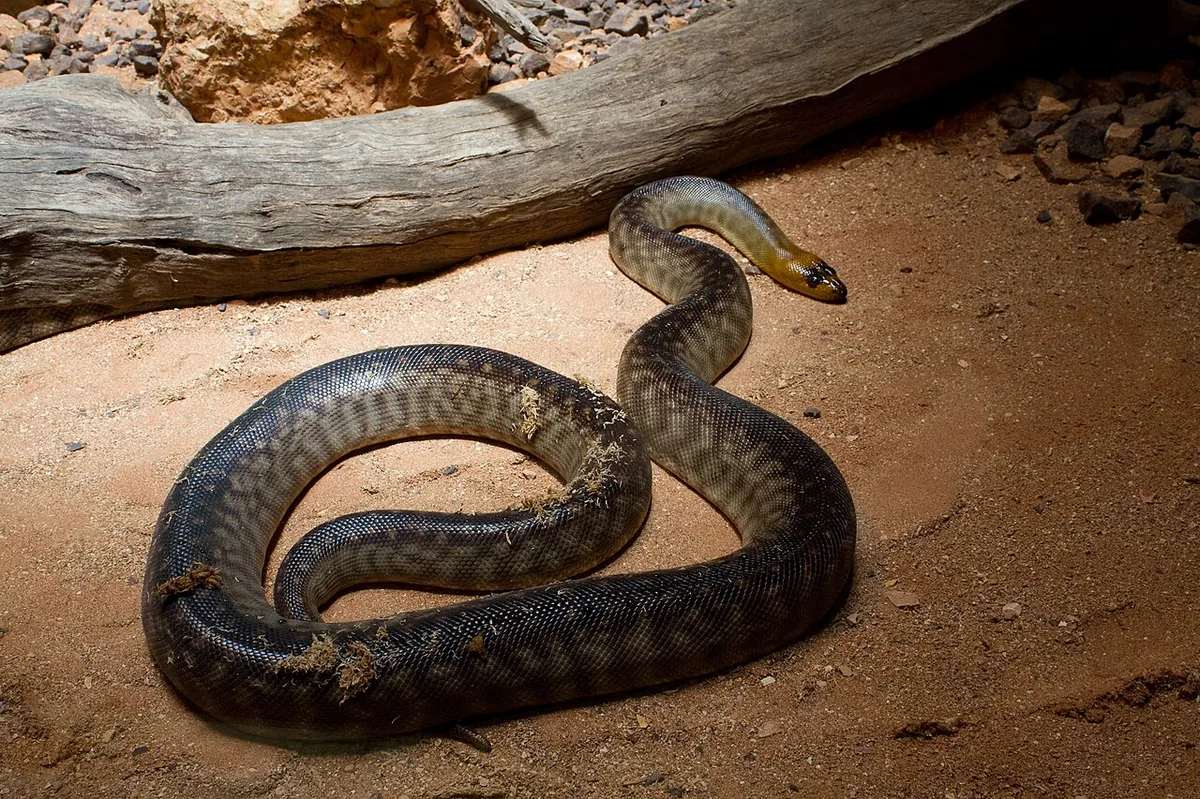
Womas need a long, dry enclosure and, more than most snakes, carefully controlled heat. Because the genus lacks heat-sensing labial pits, a woma may not move away from a heat source that is burning it.
What published sources give
| Figure | Size | Notes |
|---|---|---|
| Adult minimum | 6 x 2 x 2 ft | From this site's care guide; lets the snake stretch out fully |
| Conditions | Arid. Basking 85-90°F, cool end 70-80°F | Red sand desert species |
| Heating | Thermostat-controlled and guarded only | No heat rocks |
Checked September 20, 2026. Where sources differ the range is shown rather than averaged. These are the figures published as minimums; none of them is a maximum.
What changes as they grow
Juvenile
Small and burrow-inclined. Sand or aspen substrate deep enough to dig into suits the species from the start.
Adult
6 x 2 x 2 ft as the published floor, so a five-foot snake can extend completely. Length matters more than height for a terrestrial burrower.
Enclosure mistakes specific to this species
Any unguarded or unregulated heat source
This is the most important line on the page. Care guidance for Aspidites warns specifically against heat rocks because serious burns can result, and a snake that cannot sense localised heat may not move off something harming it. Thermostat-controlled, guarded heat only.
Raising humidity out of habit
Womas come from red sand desert. Keepers coming from ball pythons add moisture reflexively, which contributes to scale rot and respiratory problems in an arid species.
An enclosure too short to stretch out in
The published 6 x 2 x 2 figure exists so the snake can extend fully. A shorter enclosure means it never can.
Enclosure hazards that apply to almost every setup
Five hazards come up across nearly every species on this site: contact burns from unguarded heat, UVB that never reaches the animal, cutting ventilation to hold humidity, unsecured decor, and trusting a bulb's wattage instead of a thermometer. They are set out in full, with sources, on our enclosure hazards page, which is worth reading once against any setup including one that looks finished.
Signs the enclosure is wrong
Animals tell you about their housing through behaviour before they tell you through illness. None of these is a diagnosis; each is a reason to look at the enclosure and, where noted, to call a vet.
| What you see | What it can mean |
|---|---|
| Burns anywhere on the body | Especially likely in this species. Veterinary attention immediately. |
| Cannot stretch out fully | Enclosure too short. |
| Scale rot or blistering | Usually a damp enclosure in an arid species. |
| Persistent surface roaming | Check substrate depth; they burrow. |
Common questions
What size enclosure does a woma python need?
A minimum of 6 feet long by 2 wide by 2 tall for an adult, so the snake can stretch out to its full length. They are terrestrial burrowers, so floor length matters far more than height.
Why do woma pythons need special care with heating?
Because the genus Aspidites lacks the heat-sensing labial pits every other python has. Care guidance warns specifically against heat rocks, since a snake that cannot sense localised heat may not move off a source that is burning it. Use thermostat-controlled, guarded heating only.
What substrate suits a woma python?
Sand or aspen, deep enough to burrow into. They are arid-habitat animals and the enclosure should stay dry, with fresh water available but no attempt to raise ambient humidity.