What do woma pythons eat?
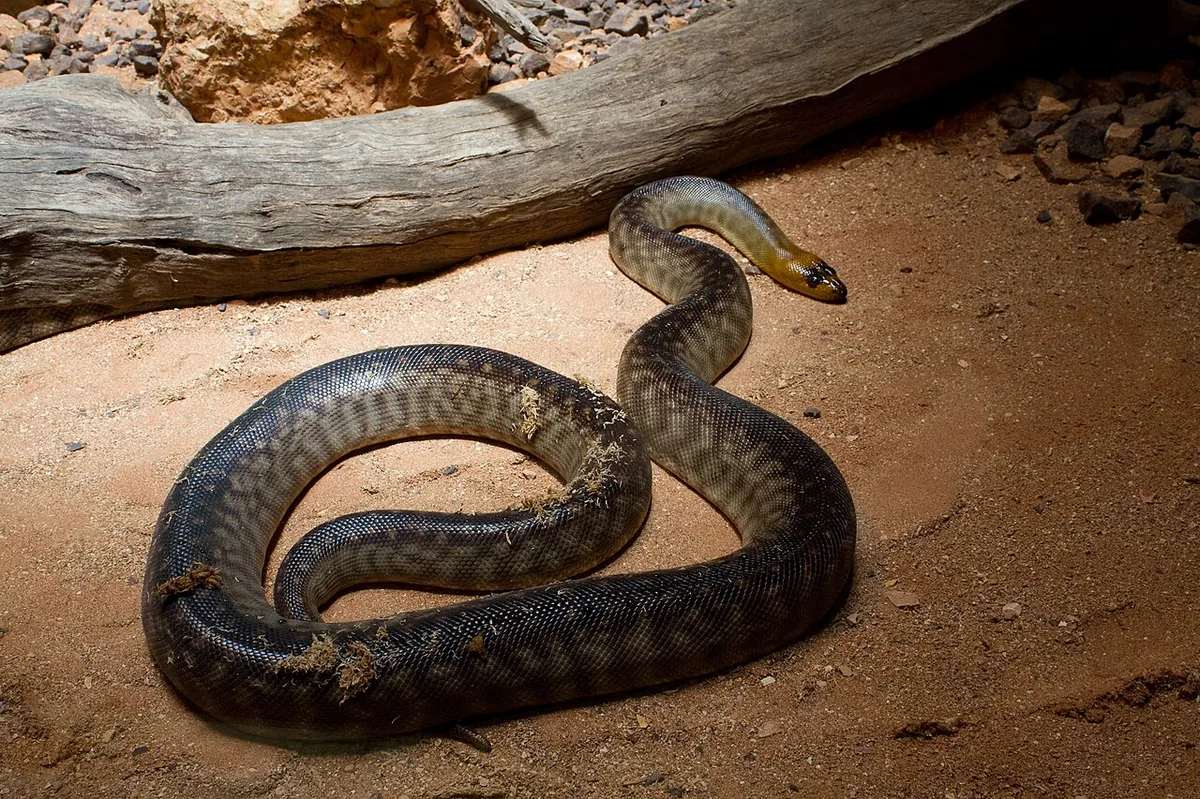
The short answer
Woma pythons eat whole rodents in captivity. Two things shape the feeding routine: they have no heat-sensing pits, unlike every other python, and they have a reputation for an enthusiastic and fairly indiscriminate feeding response. Together those make deliberate, tong-based feeding the standard approach.
Feeding schedule by age
| Life stage | Diet balance | How often | Notes |
|---|---|---|---|
| Hatchling | Pinky mouse | 1-2 times weekly | Strong response from the start |
| 2-3 months+ | Growing prey | Once weekly | Size up by girth |
| Adult | Medium to large rat, sized to girth | Weekly to fortnightly | Only a slight lump; avoid jumbo prey |
Intervals and ratios here follow the sources listed at the foot of this page, checked September 20, 2026. Where those sources differ, the disagreement is set out in Where good sources disagree rather than averaged into a single number. Figures resting on keeper consensus rather than a published source are labelled as such where they appear.
What to feed
| Food | Role | Why |
|---|---|---|
| Frozen-thawed rats | Staple | Standard adult prey |
| Mice | Juveniles | Appropriate while small |
| Long feeding tongs | Equipment | Not optional with this species |
| Snake hook | Equipment | Signals handling rather than feeding |
What never to feed
Items in this table are either outright toxic or cause predictable long-term harm. This is the part of the page worth reading twice.
| Do not feed | Why |
|---|---|
| Hand-feeding | Enthusiastic feeding response plus no heat pits means they investigate hands. |
| Live prey left unattended | Rodents bite and can seriously injure a snake. |
| Prey wider than the snake's thickest point | Regurgitation and injury risk. |
| Housing two womas together | Cannibalism risk. |
| Wild-caught rodents | Parasite and rodenticide risk. |
Where good sources disagree
Care sheets do not all say the same thing, and pretending otherwise helps nobody. These are the real points of difference between the sources cited at the foot of this page, and what we think the safe reading is.
How often adults should eat.
Care sources give weekly for adults, while some keepers move to every other week for mature animals. The wider spacing reflects a snake that has stopped growing. Both avoid the outcome nobody wants, which is an obese adult python on a juvenile schedule.
What most woma python feeding advice gets wrong
No heat pits changes how they find your hand, and how they fail to notice a burn.
Every other python detects warm-bodied prey through heat-sensing labial pits. Womas do not have them, so they work from scent and movement. The same gap matters outside feeding: care guidance for Aspidites warns specifically against heat rocks and unguarded heat sources, because a snake that cannot sense localised heat may not move off something that is burning it. Use thermostat-controlled, guarded heat only, and see the care guide for the full setup. That is part of why a woma will investigate a hand entering the enclosure with more enthusiasm than a ball python would: it is gathering information the only way it can. Tongs and a hook remove the ambiguity entirely.
A reptile-heavy wild diet does not mean feed them reptiles.
Wild womas take a high proportion of reptiles, including other snakes, and that is the leading explanation for why the genus lost its heat pits. In captivity, appropriately sized rodents are a complete diet. What the wild diet actually tells you is a housing rule: a snake that eats other snakes should never share an enclosure.
Announce yourself.
The practical routine with a woma is boring and effective: open the enclosure, use the hook first so the snake learns that hook means handling, and present food only on tongs. Keepers who feed by hand or reach in unannounced get exactly the outcome the species' reputation predicts.
Common questions
What do woma pythons eat?
In captivity, whole rodents: pinky mice for hatchlings, growing to medium or large rats for adults, offered frozen-thawed. Prey should be no wider than the snake's thickest point and leave only a slight lump; avoid jumbo prey unless the individual's girth genuinely supports it. In the wild they take a high proportion of reptiles.
Why don't woma pythons have heat pits?
The genus Aspidites is the only python group lacking heat-sensing pits, and the leading explanation is a wild diet containing many reptiles, which are not warm-bodied and would not register on heat pits anyway. Womas locate prey by scent and movement instead.
How often should I feed a woma python?
Hatchlings one to two times a week, dropping to once weekly from around two to three months. Adults eat weekly, and some keepers move mature animals to every other week. Judge by body condition rather than by appetite, which is reliably enthusiastic.
Do woma pythons bite?
They have a strong feeding response and will investigate what enters the enclosure, which occasionally results in a feeding-response bite rather than a defensive one. Using long tongs for food and a hook to signal handling almost entirely prevents it.
Can I keep two woma pythons together?
No. Cannibalism is a genuine risk in this species, consistent with a wild diet that includes other snakes. House them individually at every life stage.