How Long Do Rosy Boas Live?
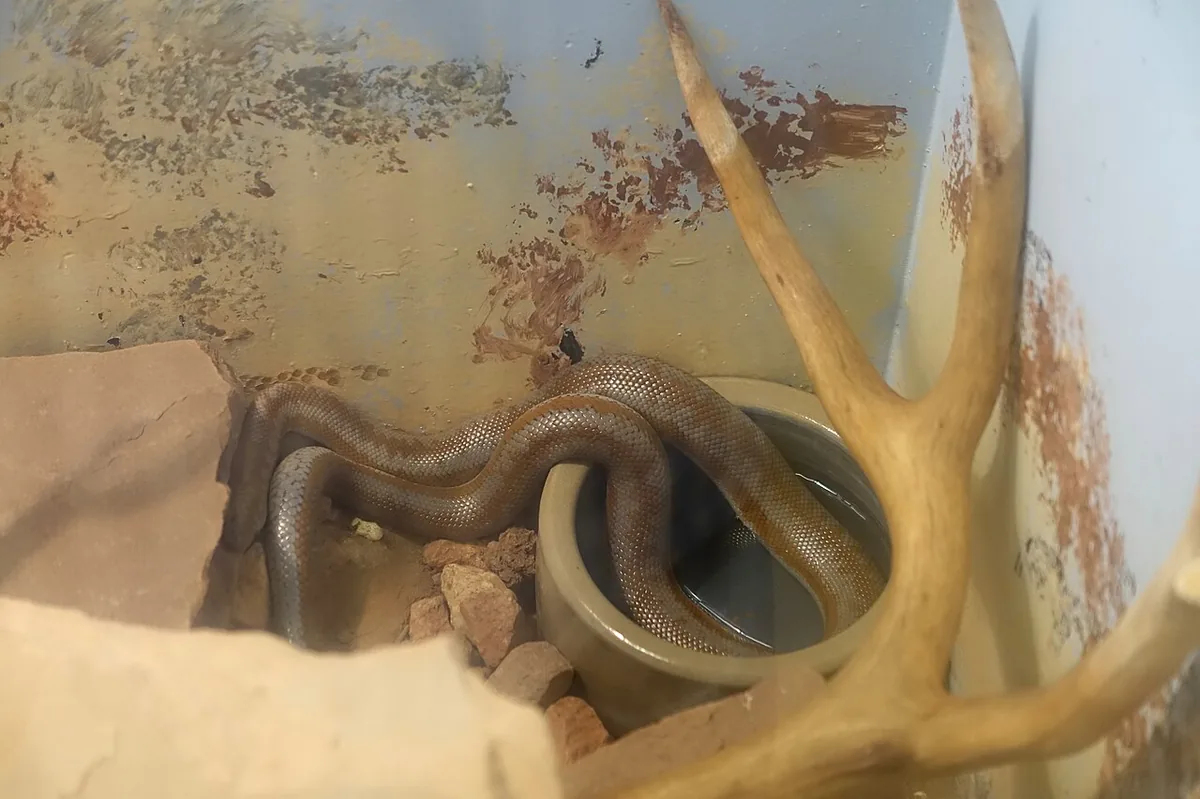
Rosy boas have a wide published lifespan of 15 to 30 years. They are slow, undemanding snakes, and reaching the upper end of that range is mostly a matter of not over-feeding and not over-humidifying.
Published lifespan figures
| Figure | Value | Notes |
|---|---|---|
| Commonly published | 15-30 years | A wide published range |
| Well-kept animals | Toward the upper end | Husbandry-dependent |
| Metabolism | Slow | They eat infrequently |
Checked September 20, 2026 against the sources at the foot of this page. Where sources differ the range is shown rather than averaged.
What actually shortens it
Published lifespans describe well-kept animals. The gap between the figure above and what a rosy boa actually lives is almost entirely husbandry, and these are the levers that matter most.
Overfeeding
As with other small slow boas, a weekly adult schedule borrowed from a corn snake produces an overweight rosy boa within a season. Published adult intervals are every ten to fourteen days.
A damp enclosure
Rosy boas are arid-habitat animals. Keepers arriving from tropical species raise humidity out of habit, and scale rot and respiratory problems follow.
Unregulated heat
Thermal burns are among the most common reptile injuries, and snakes are particularly exposed because they coil against a heat source rather than moving off it. Every heat source on a thermostat.
Common questions
How long do rosy boas live?
Published figures give a range of 15 to 30 years, which is wide. Well-kept animals reach the upper end, and the variation is largely husbandry rather than genetics.
What shortens a rosy boa's life?
Overfeeding is the most common, since their published adult interval of ten to fourteen days is longer than keepers expect. A damp enclosure is the other: they are arid-habitat animals prone to scale rot in humid conditions.
Is a rosy boa's slowness a health concern?
No. They are famously deliberate animals, and low activity is normal for the species. Body condition and shed quality are more useful health indicators than activity level here.