How Long Do Milk Snakes Live?
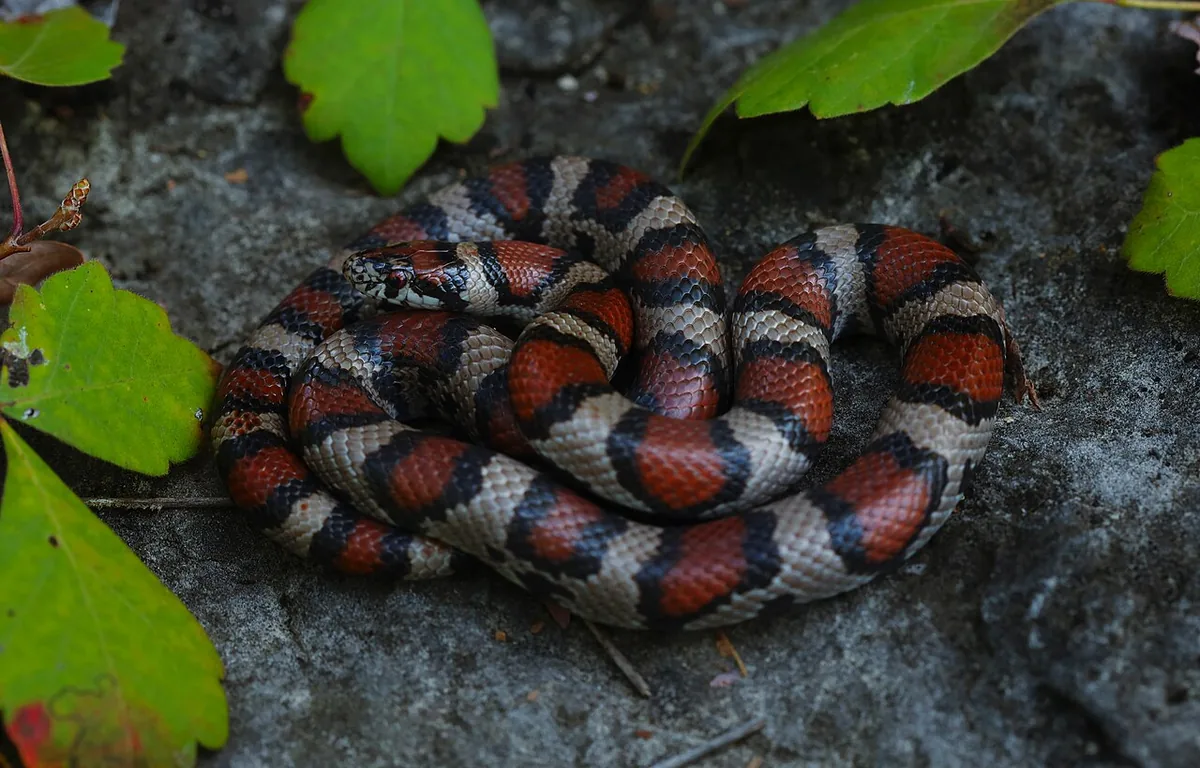
Milk snakes commonly live fifteen to twenty years in captivity, with the maximum documented longevity under ideal care exceeding twenty-two. Captive figures are substantially better than wild ones.
Published lifespan figures
| Figure | Value | Notes |
|---|---|---|
| Commonly published in captivity | 15-20 years | Regularly reported |
| Maximum documented | Exceeding 22 years | Under ideal care |
| Wild | Considerably shorter | Predation and conditions |
Checked September 20, 2026 against the sources at the foot of this page. Where sources differ the range is shown rather than averaged.
What actually shortens it
Published lifespans describe well-kept animals. The gap between the figure above and what a milk snake actually lives is almost entirely husbandry, and these are the levers that matter most.
Overfeeding
The commonest way a captive snake's life is shortened. Adults stop growing and keep being fed on a growth schedule, and obesity brings organ disease with it. Judge by body condition rather than by appetite, which stays enthusiastic regardless.
Unregulated heat
Thermal burns are among the most common reptile injuries, and snakes are particularly exposed because they coil against a heat source rather than moving off it. Every heat source on a thermostat.
Cohabitation
Milk snakes are Lampropeltis, the genus that gave us the snake-eating kingsnakes. Cannibalism among cohoused animals is reported, and it ends a lifespan rather than shortening it.
Common questions
How long do milk snakes live?
Commonly fifteen to twenty years in captivity, with maximum documented longevity under ideal human care exceeding twenty-two years. Wild lifespans are considerably shorter.
What shortens a milk snake's life?
Overfeeding and the obesity that follows, unregulated heat sources, and cohabitation. As Lampropeltis, milk snakes can be cannibalistic when housed together.
Do milk snakes live longer than corn snakes?
The published ranges are broadly similar, with both species capable of fifteen to twenty years or more. Husbandry matters far more than species within that comparison.