How Big Do Milk Snakes Get?
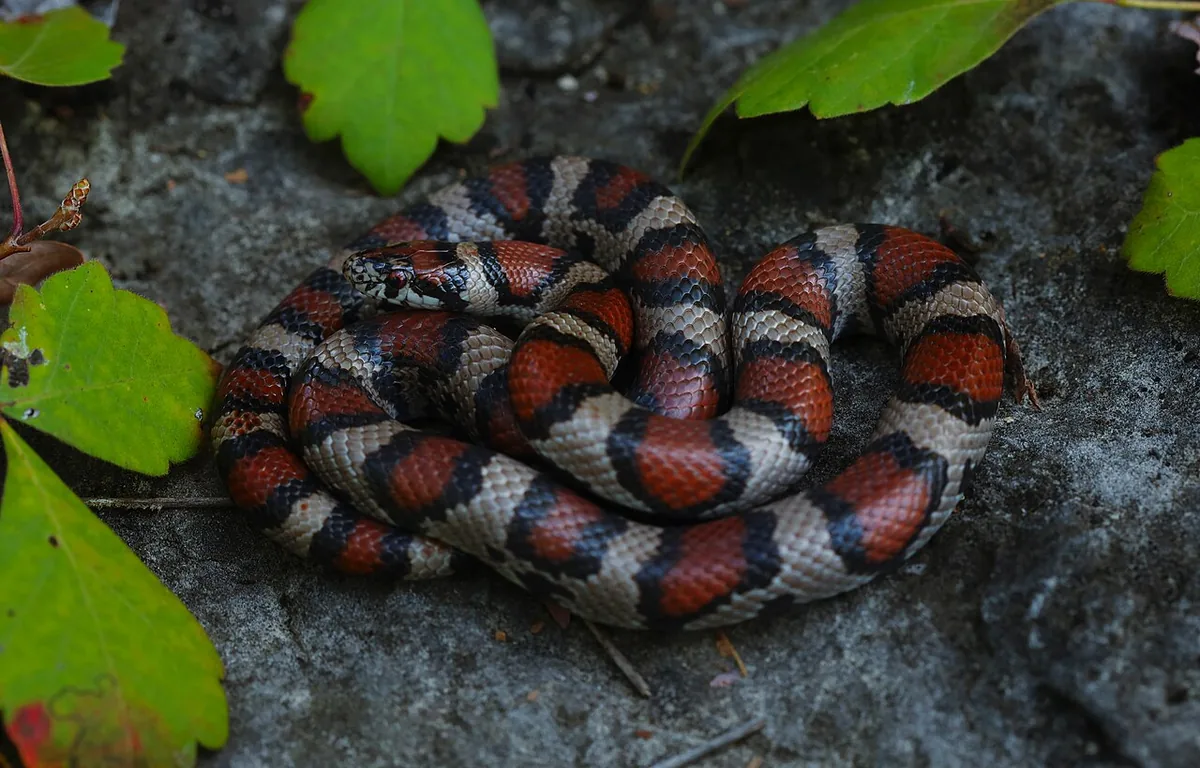
Milk snakes grow to between 2 and 4 feet depending on subspecies, with some exceeding five. The common name covers a genuinely wide range, which is why generic size figures for the species are of limited use.
Published adult size figures
| Figure | Value | Notes |
|---|---|---|
| Published range | 2-4 ft, depending on subspecies | The group spans a wide range |
| Smaller subspecies | Nearer the 2 ft end | For example Pueblan milk snakes |
| Larger subspecies | Over 5 ft in some cases | Which changes housing substantially |
Checked September 20, 2026 against the sources at the foot of this page. Where sources differ the range is shown rather than averaged.
Getting there
Subspecies decides the endpoint
Growth rate is unremarkable; what varies is where it stops. A Pueblan and a black milk snake follow similar curves to very different destinations.
Ask before you buy
Because the common name covers such a range, the breeder's answer about subspecies is the single most useful size information you can get.
What that size means in practice
Enclosure figures differ by subspecies
Published guidance gives 20 gallons or larger for medium adults and 40-gallon breeders for bigger animals. A single figure for 'milk snake' fits few individual animals well.
Handling is straightforward at any size in the range
Even the larger subspecies stay within comfortable one-person handling, which is not true of every colubrid.
Common questions
How big do milk snakes get?
Between 2 and 4 feet depending on subspecies, with some exceeding five feet. Lampropeltis triangulum has historically covered many subspecies of quite different adult sizes.
Which milk snake stays smallest?
The smaller subspecies such as Pueblan milk snakes sit nearer the 2 foot end of the range. Ask the breeder which subspecies you are buying, because it changes both housing and handling.
Does milk snake size affect enclosure choice?
Substantially. Published guidance gives 20 gallons or larger for medium-sized adults and 40-gallon breeders or larger for the bigger subspecies.