How Long Do Tokay Geckos Live?
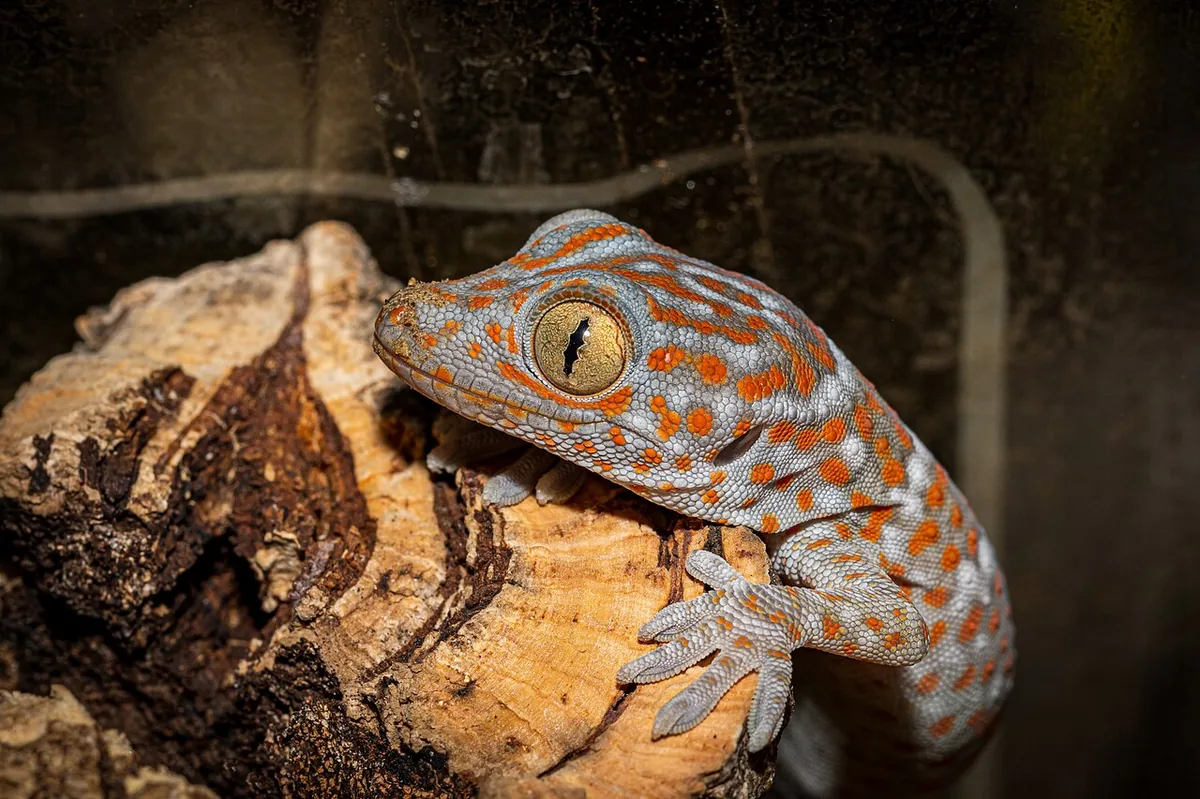
Tokay geckos are commonly published at 10 to 20 years. Whether a given animal approaches that depends mostly on whether it was captive-bred, because most in the trade are wild-caught imports.
Published lifespan figures
| Figure | Value | Notes |
|---|---|---|
| Commonly published | 10-20 years | The usual captive range |
| Wild-caught animals | Often far shorter | Parasites and import stress |
| Captive-bred | Reach the published range | Worth seeking out |
Checked September 20, 2026 against the sources at the foot of this page. Where sources differ the range is shown rather than averaged.
What actually shortens it
Published lifespans describe well-kept animals. The gap between the figure above and what a tokay gecko actually lives is almost entirely husbandry, and these are the levers that matter most.
Being wild-caught
Most tokays in the pet trade are wild-caught imports arriving dehydrated, stressed and parasitised. Provenance affects lifespan more than any husbandry decision made afterwards.
Chronic stress from handling
Tokays are genuinely defensive and bite hard. Repeated handling attempts on an animal that does not tolerate it are a continuous stressor rather than a taming process.
Metabolic bone disease
The leading husbandry cause of death in captive lizards, and it is a lighting and supplement failure rather than a feeding one. UVB bulbs lose useful output within 6 to 12 months while still looking lit, and glass filters UVB out entirely.
Common questions
How long do tokay geckos live?
Commonly 10 to 20 years in captivity. Wild-caught imports frequently do much worse, arriving dehydrated, stressed and heavily parasitised.
Why does provenance matter for tokay geckos?
Because most in the trade are wild-caught. A captive-bred animal starts healthy and is calmer; an import starts with a parasite load and the stress of collection and shipping.
Can tokay geckos be tamed?
Not reliably. They are defensive and bite hard, and repeated handling attempts function as chronic stress rather than taming. They are a display animal.