What do tokay geckos eat?
The short answer
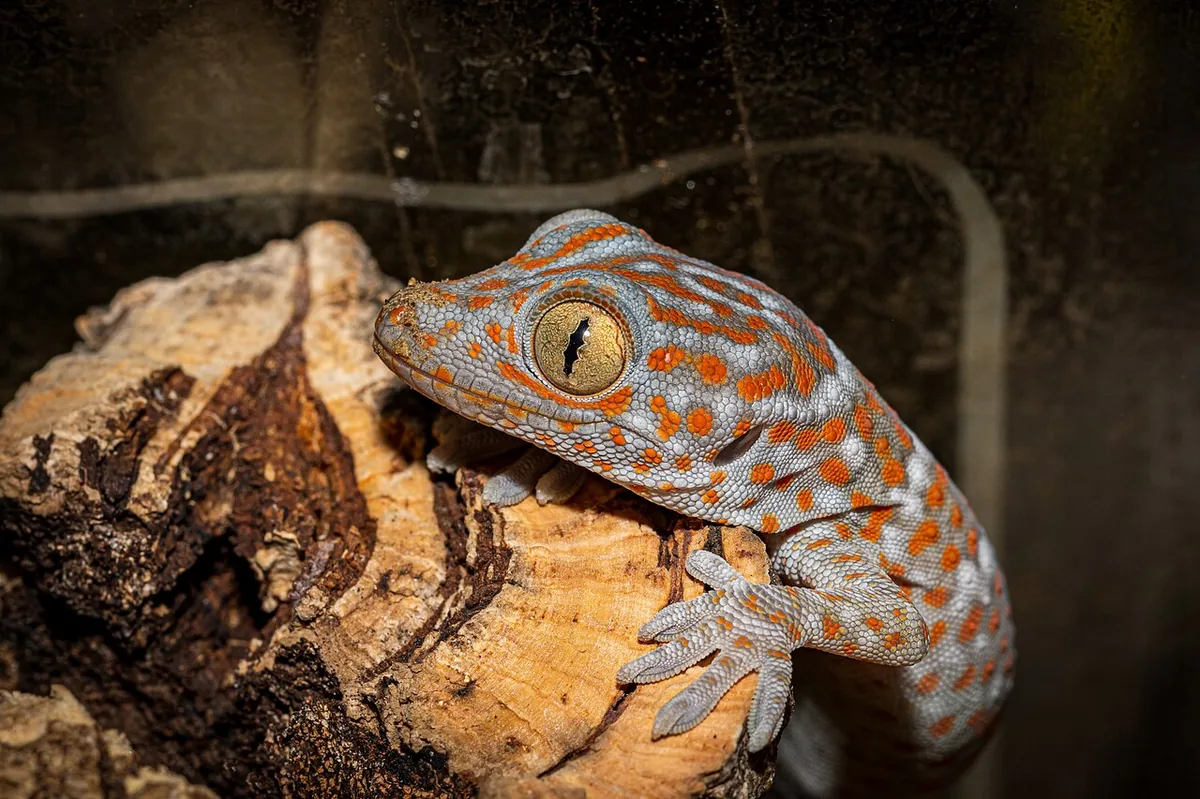
Tokay geckos are large arboreal insectivores with an appetite and a bite to match. They take substantial insects and occasionally small vertebrates, feed readily once settled, and are best fed with tongs. The most common feeding problem is not the menu but the animal: wild-caught imports often refuse food while stressed and parasitised.
Feeding schedule by age
| Life stage | Diet balance | How often | Notes |
|---|---|---|---|
| Juvenile | Appropriately sized insects | Daily | Growing quickly |
| Adult | Large feeders | Every 2-3 days | Substantial appetite |
| Wild-caught new arrival | Whatever it will take | As accepted | Expect refusal; get a faecal check |
What to feed
| Food | Role | Why |
|---|---|---|
| Large roaches and locusts | Staple | Sized for a big gecko |
| Occasional pinky mouse | Rare treat | Adults only; not a staple |
| Dubia roaches | Staple | Good protein and ratio, low chitin |
| Crickets | Staple | Cheap and active; gut-load first |
| Black soldier fly larvae | Staple | Naturally calcium-rich |
| Hornworms, silkworms | Rotation | Hydrating and low fat |
| Waxworms, superworms | Treat only | High fat |
| Gut-loaded insects | Requirement | Feed the insects 24-48h before offering |
| Calcium dusting | Requirement | Insects are calcium-poor and phosphorus-rich |
What never to feed
Items in this table are either outright toxic or cause predictable long-term harm. This is the part of the page worth reading twice.
| Do not feed | Why |
|---|---|
| Handling at feeding time | The bite is powerful and they do not let go readily. |
| Fruit and vegetables as a food group | Not usable by an insectivore. |
| Wild-caught insects | Pesticide, parasite and toxicity risk. |
| Fireflies / lightning bugs | Toxic to reptiles. |
| Prey larger than the space between the eyes | Standard feeder-size rule; impaction risk. |
| Relying on one feeder species | Variety covers what a single insect cannot. |
Where good sources disagree
Care sheets do not all say the same thing, and pretending otherwise helps nobody. These are the real points of difference between the sources cited at the foot of this page, and what we think the safe reading is.
Whether tokays need UVB.
They are nocturnal, which historically meant UVB was considered unnecessary. Current guidance increasingly recommends low-level UVB for this species as for other nocturnal geckos, which in turn reduces the dietary D3 requirement. Both approaches are practised.
What most tokay gecko feeding advice gets wrong
Feeding problems usually mean wild-caught.
Tokay geckos are among the most heavily imported reptiles in the trade, and a large proportion of animals offered are wild-caught. Those arrive stressed, dehydrated and parasitised, and food refusal is common. A captive-bred tokay generally feeds readily. If your animal will not eat, its origin is the first question and a faecal screen the first step.
Use tongs, every time.
This is a large gecko with a strong feeding response and a bite that draws blood and holds. Tong feeding is not fussiness, it is the practical way to feed the species without teaching it that hands mean food.
Common questions
What do tokay geckos eat?
Large insects: roaches, crickets and locusts sized for a big gecko, gut-loaded and dusted with calcium. Adults occasionally take a pinky mouse as a treat, but insects should remain the staple diet.
Why won't my tokay gecko eat?
Most commonly because it is a stressed wild-caught import. A large share of tokays in the trade are wild-collected and arrive dehydrated and parasitised, which suppresses feeding. A faecal screen with an exotics vet and a quiet, well-furnished enclosure are the first steps.
Do tokay geckos bite?
Yes, readily and hard, and they tend not to let go. This is a practical feeding consideration rather than a reason to avoid the species: feed with long tongs and avoid hand-feeding, which teaches the gecko to associate hands with food.