← Red Niger Uromastyx care guide
How Long Do Red Niger Uromastyxs Live?
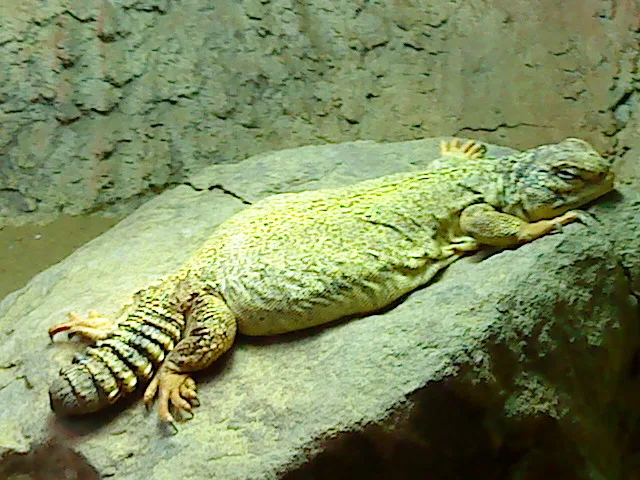
Red Niger uromastyx commonly live 15 to 20 years, in line with the rest of the genus. As Saharan specialists, humidity rather than heat is what puts that at risk.
Published lifespan figures
| Figure | Value | Notes |
|---|---|---|
| Commonly published | 15-20 years | In line with the genus |
| Some individuals | Reported longer | As with other uromastyx |
| Captive-bred | Increasingly available | Better than imports |
Checked September 20, 2026 against the sources at the foot of this page. Where sources differ the range is shown rather than averaged.
What actually shortens it
Published lifespans describe well-kept animals. The gap between the figure above and what a red niger uromastyx actually lives is almost entirely husbandry, and these are the levers that matter most.
Humidity
As with all uromastyx, the defining risk. They are Saharan animals and ambient humidity suited to a bearded dragon causes respiratory infections.
Metabolic bone disease
The leading husbandry cause of death in captive lizards, and a lighting failure more often than a diet one. UVB bulbs lose useful output within 6 to 12 months while still looking lit, and glass filters UVB out entirely.
Animal protein in adults
Adults are herbivores. Excess animal protein is associated with gout and renal disease in this genus, compounded by dehydration and over-supplemented D3.
Common questions
How long do red Niger uromastyx live?
Commonly 15 to 20 years, in line with the rest of the genus, and some individuals longer. They are a long-term commitment.
What shortens a red Niger uromastyx's life?
Humidity, which causes respiratory infections in a Saharan desert specialist, and excess animal protein in adults, which is associated with gout and renal disease in this genus.
Are red Niger uromastyx different from other uromastyx to keep?
The husbandry is essentially the same as the genus: very hot dry basking, low humidity, and a herbivorous adult diet. The difference is size, being one of the smaller species.