What do uromastyx eat?
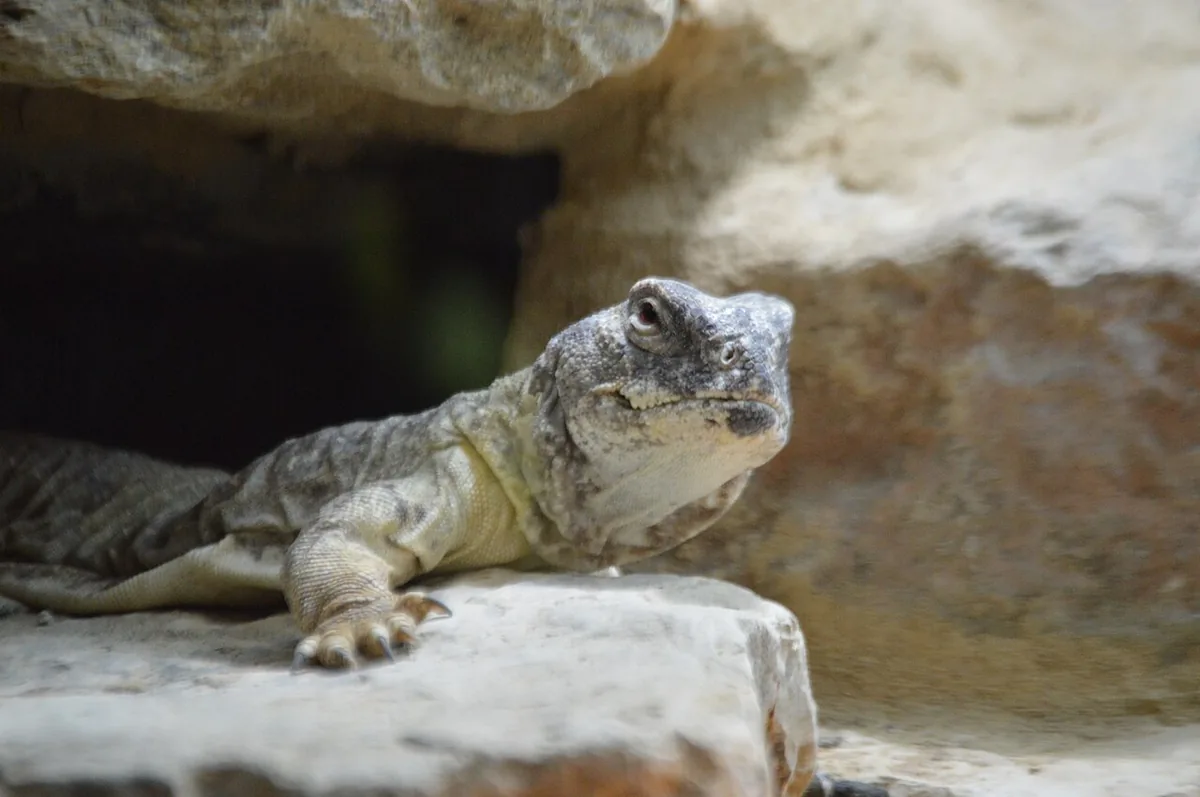
The short answer
Uromastyx are strict herbivores. Leafy greens make up the bulk of the diet, supplemented by something unusual among pet lizards: small seeds and legumes such as millet and lentils. Adults do not benefit from insects, and feeding them is associated with gout and organ damage rather than enrichment.
Feeding schedule by age
| Life stage | Diet balance | How often | Notes |
|---|---|---|---|
| Hatchling / juvenile | Finely chopped greens | Daily | Calcium during growth |
| Adult | Greens-led with seeds and legumes | Daily | Lentils 2-3x weekly; seeds slightly less |
| All ages | Insects | None | No demonstrated benefit; real risk |
What to feed
| Food | Role | Why |
|---|---|---|
| Collard, dandelion, mustard greens | Staple | The bulk of the diet |
| Endive, escarole, arugula | Staple | Good variety |
| Lentils, split peas | Legumes | 2-3x weekly; low moisture, higher protein |
| Millet and small seeds | Seeds | A genuine part of the natural diet |
| Shredded squash, bell pepper, carrot | Vegetables | Colour and vitamin A |
| Bee pollen | Occasional | Low moisture, well accepted |
| Calcium powder | Supplement | Dusted on greens |
What never to feed
Items in this table are either outright toxic or cause predictable long-term harm. This is the part of the page worth reading twice.
| Do not feed | Why |
|---|---|
| Insects for adults | Linked to gout, kidney and liver damage. No demonstrated benefit. |
| Mealworms and superworms | Same problem, and chitin-heavy. |
| Fruit in quantity | Too much moisture and sugar for a desert herbivore. |
| Avocado | Toxic. |
| Rhubarb | Toxic. |
| Spinach as a staple | Oxalates bind calcium. |
| Iceberg lettuce | No useful nutrition. |
| Standing water dish as the main hydration plan | They take most moisture from food. |
Where good sources disagree
Care sheets do not all say the same thing, and pretending otherwise helps nobody. These are the real points of difference between the sources cited at the foot of this page, and what we think the safe reading is.
Whether the occasional insect is harmless.
There is a long-running debate in the hobby about offering a few insects now and then. No demonstrated benefit has been shown, and the stated risks for adults are serious. Given there is nothing to gain and something real to lose, the cautious reading is to skip them entirely. Hatchlings are treated slightly more leniently by some keepers, but the trend in care guidance is away from insects at any age.
What most uromastyx feeding advice gets wrong
This is the lizard people most often feed wrongly out of kindness.
Keepers coming from bearded dragons assume every desert lizard wants insects, and offer them as a treat. A uromastyx's digestive tract cannot process animal protein or chitin well, and the consequences reported are gout, kidney and liver damage rather than an upset stomach. The kindest thing you can offer a uromastyx is a varied plate of greens.
Seeds are not a filler, they are part of the diet.
Uromastyx are unusual among pet lizards in genuinely eating small seeds and legumes. Millet, lentils and split peas are low in moisture and higher in protein than greens, and belong in the rotation a few times a week. Care sheets copied from bearded dragon guidance leave this out entirely.
Dry is correct.
Uromastyx come from arid habitat and take most of their water from food. Keepers who add heavy misting, constant standing water or moisture-rich foods in an attempt to be generous create humidity problems in an animal adapted to the opposite.
Common questions
What do uromastyx eat?
Leafy greens make up the bulk of the diet, supplemented with small seeds and legumes such as millet, lentils and split peas, plus shredded orange and yellow vegetables. They are strict herbivores and adults should not be fed insects.
Can uromastyx eat insects?
Adults should not. Their digestive tract is not adapted to animal protein or chitin, and feeding insects is associated with gout, kidney and liver damage. No benefit has been demonstrated, and in the wild any insect intake is incidental rather than sought out.
Do uromastyx eat seeds?
Yes, and this is unusual among commonly kept lizards. Small seeds and legumes such as millet, lentils and split peas are a genuine part of their diet, typically offered two to three times a week for legumes and slightly less often for seeds.
Do uromastyx need a water dish?
They take most of their moisture from food and come from arid habitat, so a permanent standing water dish is not the hydration plan it would be for a tropical species. Excess humidity is a greater risk to them than mild dryness.