What do Rankin's dragons eat?
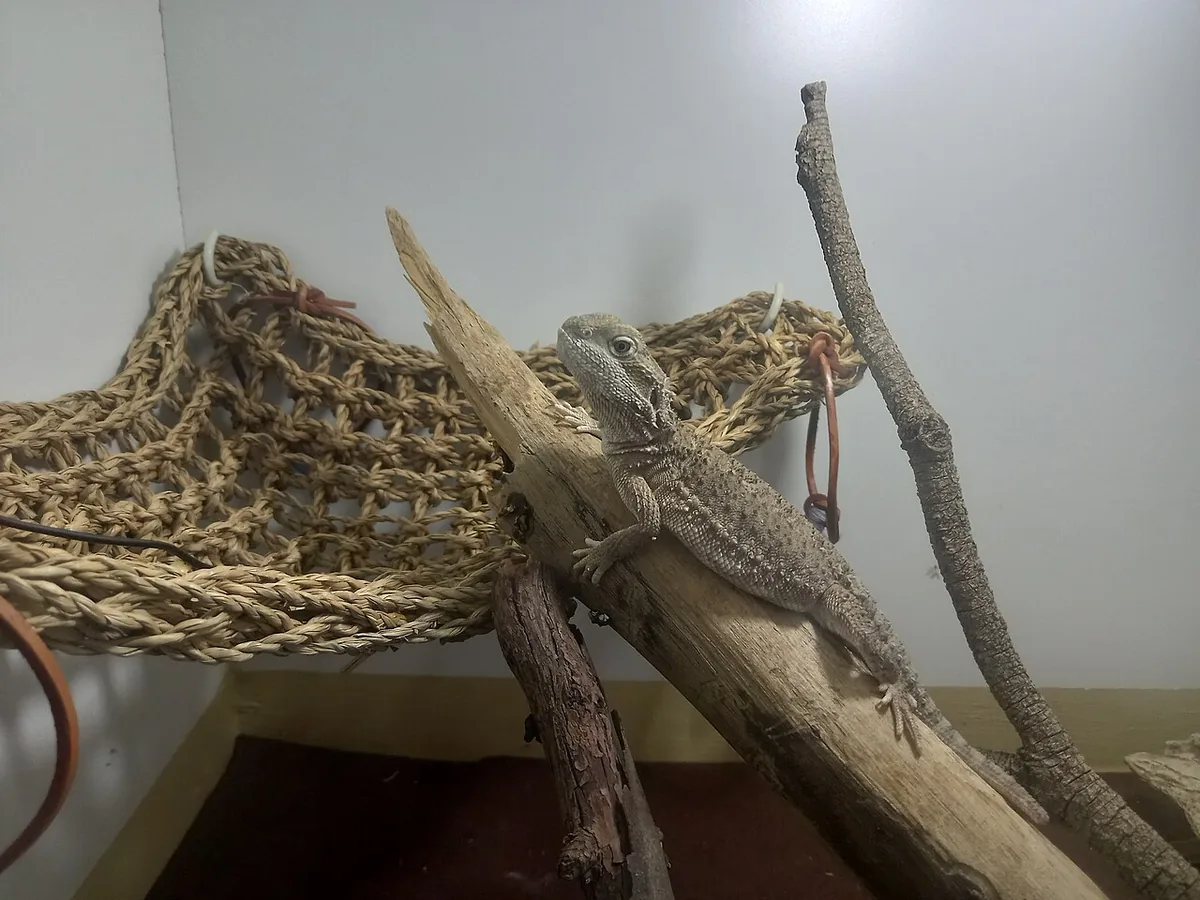
The short answer
Rankin's dragons follow the same dietary pattern as bearded dragons: insect-led as juveniles, plant-led as adults. The difference is scale. They are considerably smaller, so portions that suit a bearded dragon will overfeed them, and obesity is correspondingly easy.
Feeding schedule by age
| Life stage | Diet balance | How often | Notes |
|---|---|---|---|
| Juvenile | Insect-led, greens daily | 1-2x daily | Rapid growth |
| Sub-adult | Transitioning to plant-led | Daily | Shifting the balance |
| Adult | Plant-led | Greens daily, insects 3-4x weekly | Smaller portions than a beardie |
What to feed
| Food | Role | Why |
|---|---|---|
| Collard, dandelion, mustard greens | Staple plant | The adult base |
| Endive, escarole | Staple plant | Good variety |
| Dubia roaches | Staple insect | Sized small |
| Crickets, black soldier fly larvae | Insects | Gut-loaded and dusted |
| Squash, bell pepper | Vegetables | Colour and variety |
| Calcium powder | Supplement | Daily on food |
What never to feed
Items in this table are either outright toxic or cause predictable long-term harm. This is the part of the page worth reading twice.
| Do not feed | Why |
|---|---|
| Fireflies / lightning bugs | Toxic to reptiles. |
| Avocado | Toxic. |
| Rhubarb | Toxic. |
| Bearded dragon portion sizes | Overfeeds a considerably smaller animal. |
| Spinach as a staple | Oxalates bind calcium. |
| Daily insects for adults | Causes obesity, as in bearded dragons. |
Where good sources disagree
Care sheets do not all say the same thing, and pretending otherwise helps nobody. These are the real points of difference between the sources cited at the foot of this page, and what we think the safe reading is.
Whether they need a different diet from bearded dragons.
Care sheets generally treat the two as dietarily equivalent, which is broadly fair. The practical difference everyone notes is portion size, since Rankin's dragons are substantially smaller and easily overfed on bearded dragon quantities.
What most rankin's dragon feeding advice gets wrong
A smaller dragon needs smaller everything.
Rankin's dragons are frequently fed from bearded dragon care sheets, which get the composition right and the quantity wrong. Feeders should be sized to the space between the eyes and portions scaled to a much smaller animal. Obesity follows quickly otherwise.
The adult shift applies here too.
As with bearded dragons, adults should move to a plant-led diet with insects a few times a week. Keeping an adult Rankin's on daily insects produces the same obesity and fatty liver problems, in a smaller body with less margin.
Common questions
What do Rankin's dragons eat?
Insects and plants, with the balance shifting as they age. Juveniles are insect-led with greens offered daily; adults should be plant-led with insects three to four times a week. Collard, dandelion and mustard greens make good staples.
Are Rankin's dragons fed the same as bearded dragons?
The composition is essentially the same, including the shift from insect-led to plant-led with age. The difference is quantity: Rankin's dragons are considerably smaller, and bearded dragon portions will overfeed them.
How often should I feed an adult Rankin's dragon?
Fresh greens daily with insects three to four times a week. Feeding adults insects daily causes obesity and fatty liver disease, exactly as it does in bearded dragons.