How Long Do Day Geckos Live?
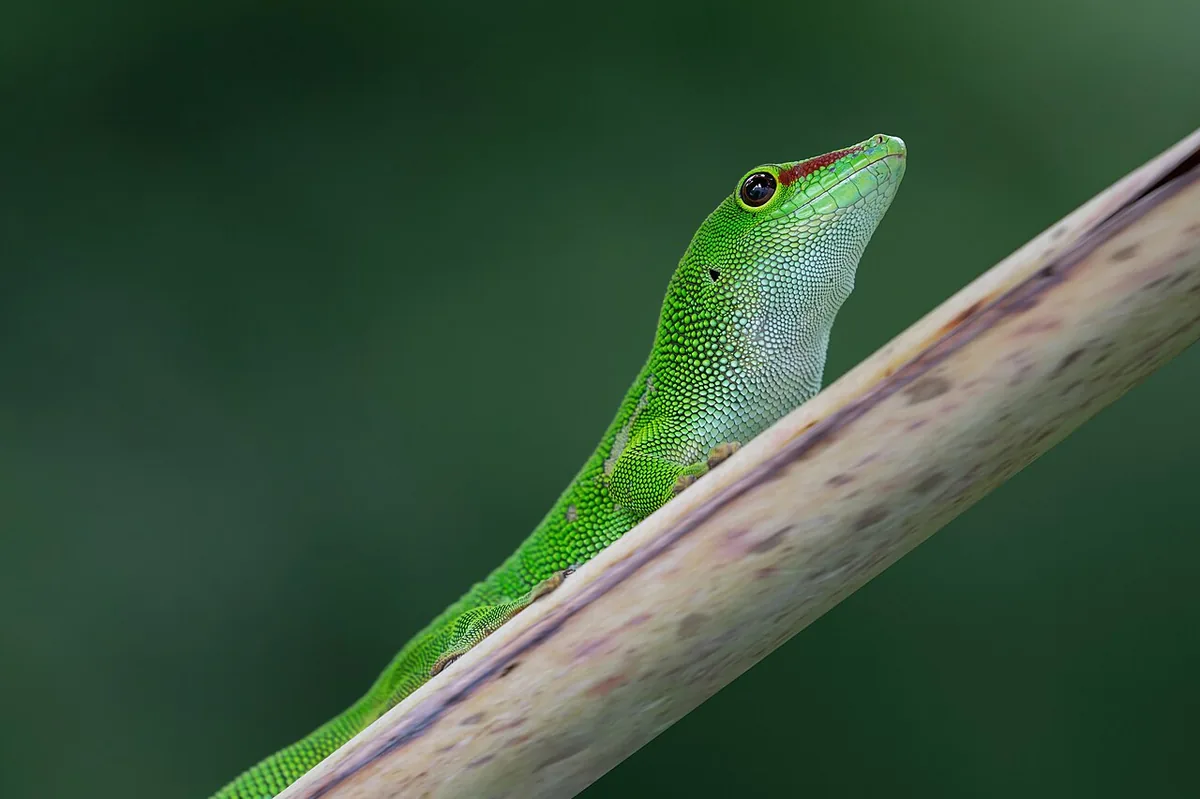
Day geckos are commonly published at 6 to 10 years, with larger species reported to 15 or 20. Being genuinely diurnal, they need UVB in a way nocturnal geckos do not, and their skin makes them a strictly hands-off animal.
Published lifespan figures
| Figure | Value | Notes |
|---|---|---|
| Commonly published | 6-10 years | Varies substantially by species |
| Some individuals | Reported 15-20 years | Particularly larger species |
| Diurnal | Yes | Which drives the UVB requirement |
Checked September 20, 2026 against the sources at the foot of this page. Where sources differ the range is shown rather than averaged.
What actually shortens it
Published lifespans describe well-kept animals. The gap between the figure above and what a day gecko actually lives is almost entirely husbandry, and these are the levers that matter most.
Metabolic bone disease
The leading husbandry cause of death in captive lizards, and it is a lighting and supplement failure rather than a feeding one. UVB bulbs lose useful output within 6 to 12 months while still looking lit, and glass filters UVB out entirely.
Skin damage from handling
The Phelsuma-specific one. Their skin tears away extremely easily as a predator defence, and it is a real injury rather than a cosmetic one. They should not be handled.
Inadequate UVB
Unlike nocturnal geckos, day geckos are genuinely diurnal and bask. UVB is not optional for them in the way it is debated for leopard geckos.
Common questions
How long do day geckos live?
Commonly 6 to 10 years, varying substantially by species, with larger Phelsuma reported to 15 or 20 years.
What shortens a day gecko's life?
Inadequate UVB, which matters more for a genuinely diurnal basking gecko than for nocturnal species. Handling injuries are the other: their skin tears away extremely easily.
Can day geckos be handled?
They should not be. Phelsuma skin detaches as a predator defence and tears with very little force, which is a genuine injury rather than a cosmetic one.