How Long Do Crested Geckos Live?
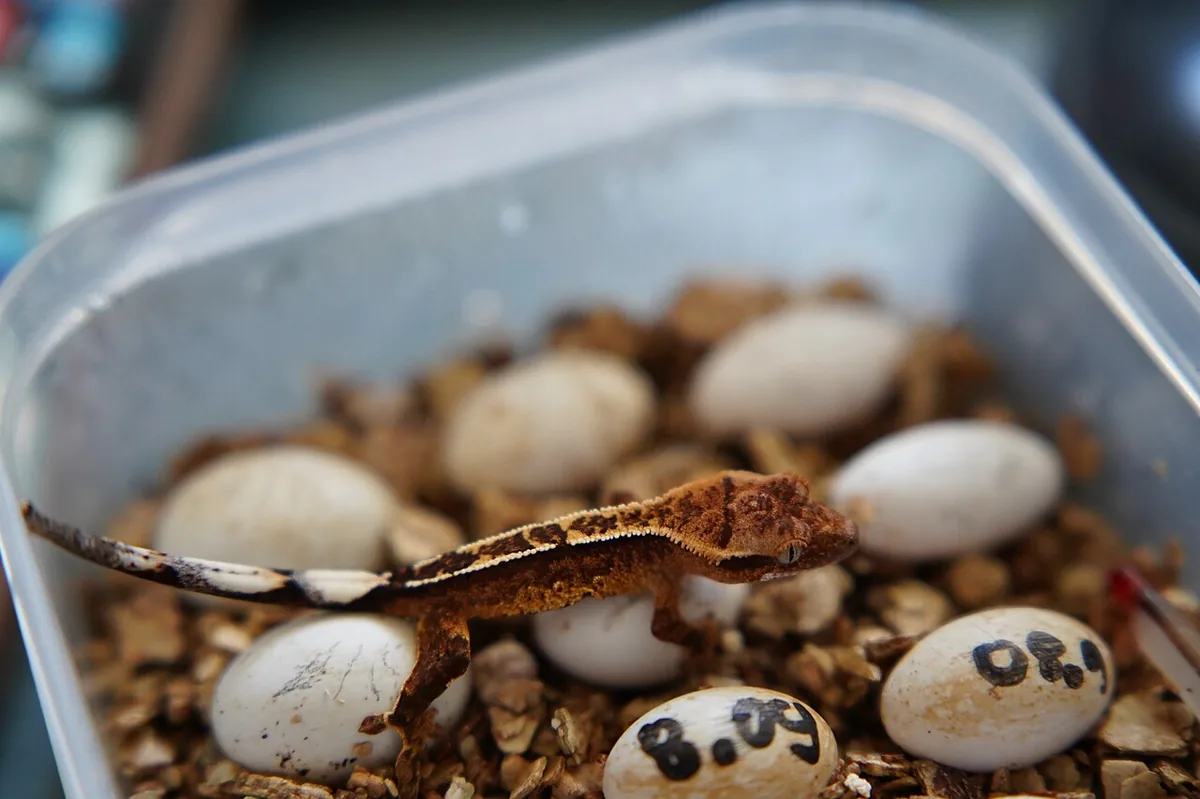
Crested geckos commonly live 15 to 20 years with individuals reported beyond 25. Long-term captive data is still accumulating, because the species was believed extinct until its rediscovery in 1994.
Published lifespan figures
| Figure | Value | Notes |
|---|---|---|
| Commonly published | 15-20 years | The usual captive range |
| Some individuals | Beyond 25 years | Reported |
| Long-term data | Still accumulating | The species was thought extinct until 1994 |
Checked September 20, 2026 against the sources at the foot of this page. Where sources differ the range is shown rather than averaged.
What actually shortens it
Published lifespans describe well-kept animals. The gap between the figure above and what a crested gecko actually lives is almost entirely husbandry, and these are the levers that matter most.
Overheating
The crested gecko specific risk, and the opposite of most reptile problems. They do not tolerate sustained temperatures above about 82F, and a basking lamp added out of habit is genuinely dangerous.
A diet of insects instead of a commercial gecko diet
Commercial crested gecko diet is the appropriate staple. Insect-only feeding leaves calcium and vitamin gaps that show up as metabolic bone disease over years rather than months.
Cohabitation stress
Crested geckos kept together, particularly with a male present, compete and injure one another. Solitary housing is the default for a reason.
Common questions
How long do crested geckos live?
Commonly 15 to 20 years, with individuals reported beyond 25. Long-term data is still accumulating because the species was thought extinct until it was rediscovered in 1994.
What shortens a crested gecko's life?
Overheating above all: they do not tolerate sustained temperatures above about 82F, and added basking heat is a real hazard. An insect-only diet and cohabitation stress are the others.
Does a crested gecko need a heat lamp?
In most homes, no. Room temperature suits them, and the common error with this species is adding heat rather than failing to provide it.