How Long Do Caiman Lizards Live?
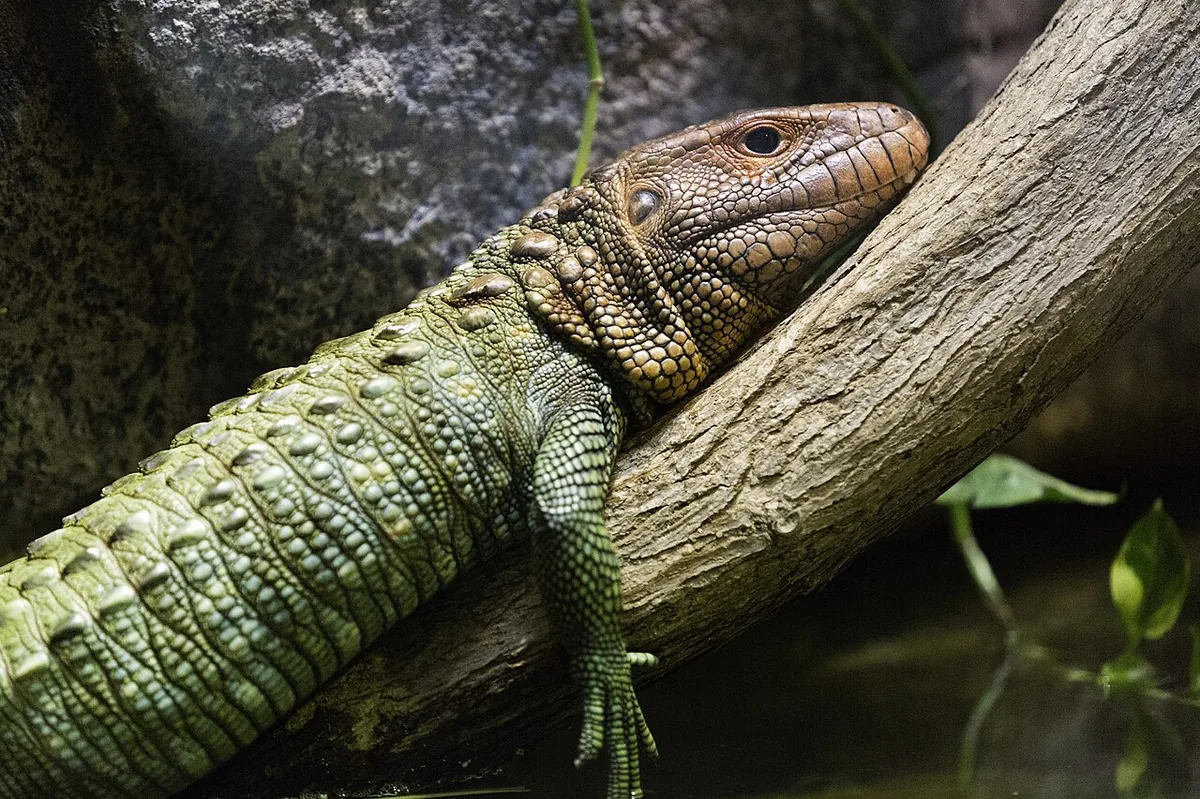
Caiman lizards are commonly published at 10 to 15 years. They are semi-aquatic, which makes their housing unusual among large lizards: the water is as demanding as the land.
Published lifespan figures
| Figure | Value | Notes |
|---|---|---|
| Commonly published | 10-15 years | The usual captive range |
| Wild-caught | Historically common | Captive breeding is improving |
| Semi-aquatic | Yes | Which drives the housing |
Checked September 20, 2026 against the sources at the foot of this page. Where sources differ the range is shown rather than averaged.
What actually shortens it
Published lifespans describe well-kept animals. The gap between the figure above and what a caiman lizard actually lives is almost entirely husbandry, and these are the levers that matter most.
Poor water quality
The caiman lizard specific one. They are semi-aquatic and spend substantial time in water they also defecate in. A large filtered water section is a requirement rather than an enhancement.
Metabolic bone disease
The leading husbandry cause of death in captive lizards, and a lighting failure more often than a diet one. UVB bulbs lose useful output within 6 to 12 months while still looking lit, and glass filters UVB out entirely.
Being rehomed once it outgrows the house
Not a disease, but for the large lizards it belongs here. Animals that outgrow their housing get passed on or surrendered, and each move is a real stressor. Rescues are full of these species.
Common questions
How long do caiman lizards live?
Commonly 10 to 15 years in captivity. Captive-bred animals do better than the wild-caught imports that historically dominated the trade.
What shortens a caiman lizard's life?
Poor water quality, because they are semi-aquatic and spend substantial time in water they also foul. UVB failure and inadequate housing are the others.
Are caiman lizards hard to keep?
They are demanding. A large semi-aquatic lizard needs both a substantial land section and a large filtered water section, plus high heat and humidity, which is an expensive and space-hungry combination.