← Blue-Tongued Skink care guide
How Long Do Blue-Tongued Skinks Live?
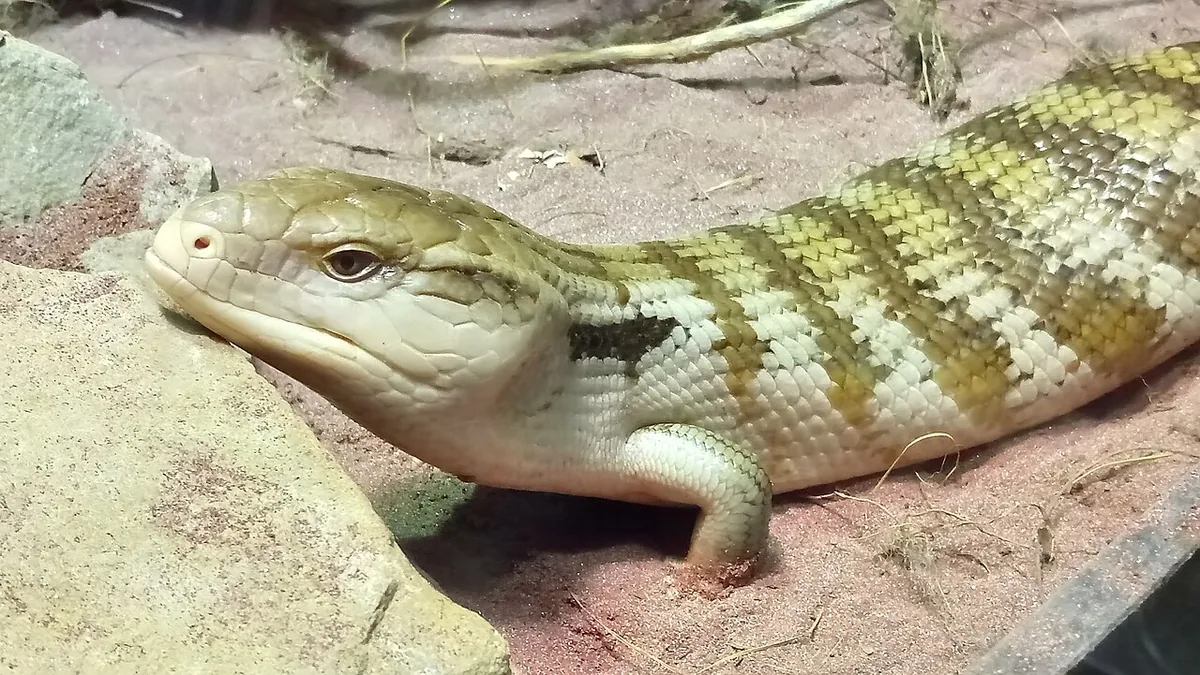
Blue-tongued skinks commonly live 15 to 20 years, with well-kept individuals reaching 25 and documented cases beyond 30. They outlive bearded dragons roughly two to one.
Published lifespan figures
| Figure | Value | Notes |
|---|---|---|
| Commonly published | 15-20 years | The usual captive range |
| Well-kept individuals | 25 years and beyond | Reported |
| Documented maximum | 30 years and beyond | Records exist |
Checked September 20, 2026 against the sources at the foot of this page. Where sources differ the range is shown rather than averaged.
What actually shortens it
Published lifespans describe well-kept animals. The gap between the figure above and what a blue-tongued skink actually lives is almost entirely husbandry, and these are the levers that matter most.
Obesity
Blue tongues are omnivores with a strong appetite and a sedentary habit. Overfeeding, particularly on rich wet dog food used as a convenience staple, is the commonest husbandry problem in the species.
Metabolic bone disease
From inadequate UVB. They need less intensity than a bearded dragon, which leads some keepers to skip it entirely, and that is a different thing from needing less.
Respiratory infection from cool damp conditions
Warm and humid suits them; cool and damp does not. The distinction matters because the correction for one worsens the other.
Common questions
How long do blue-tongued skinks live?
Commonly 15 to 20 years in captivity, with well-kept individuals reaching 25 and documented cases beyond 30 years.
Why do blue tongues outlive bearded dragons?
A slower metabolism, a lower UVB intensity requirement that leaves less room for a lighting mistake to be fatal, and lower reproductive demand.
What shortens a blue-tongued skink's life?
Obesity, frequently from rich wet dog food used as a convenience staple, metabolic bone disease where UVB is skipped entirely, and respiratory infection from cool damp conditions.