How Long Do Tomato Frogs Live?
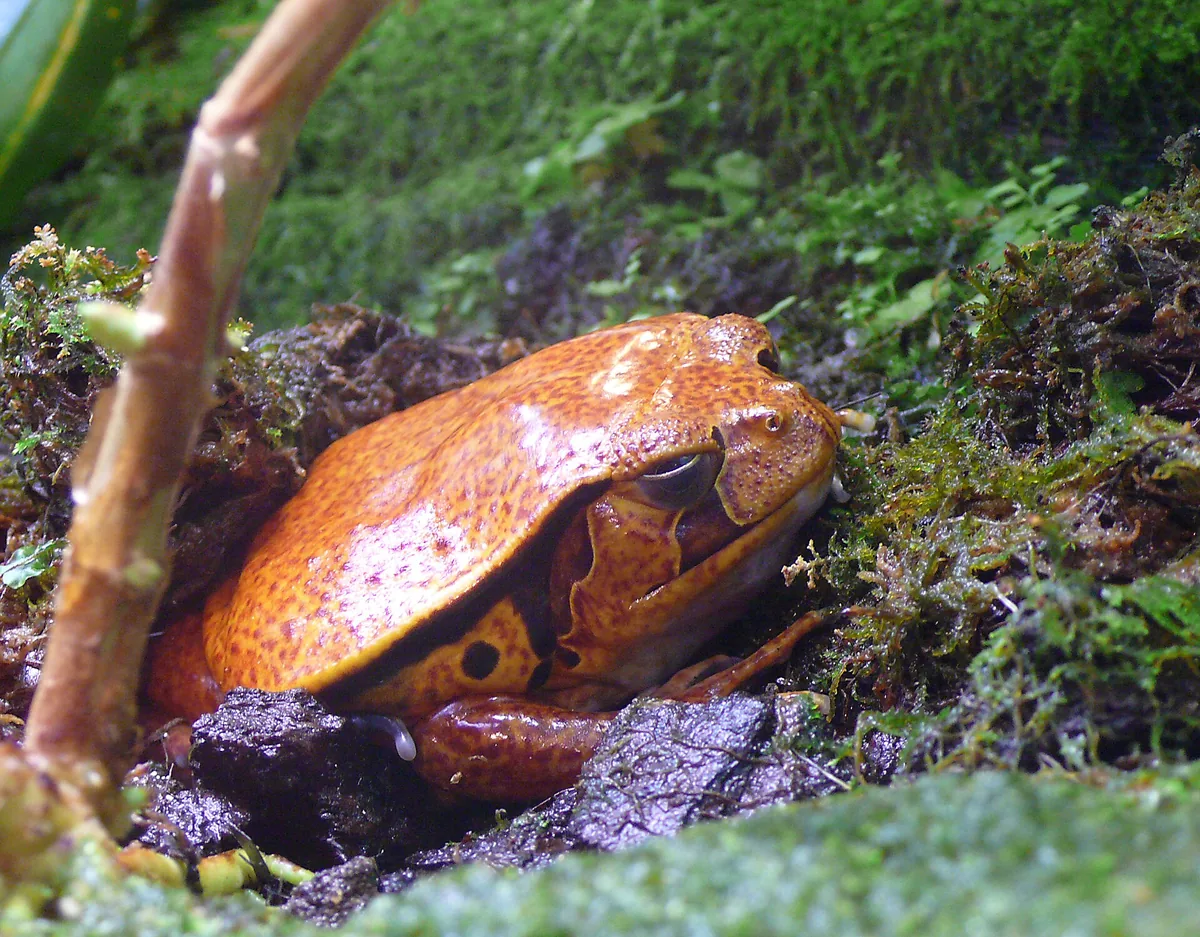
Tomato frogs commonly live 6 to 8 years, with individuals reported beyond 10. They are reasonably hardy by amphibian standards, so most of the variation comes down to feeding discipline and water.
Published lifespan figures
| Figure | Value | Notes |
|---|---|---|
| Commonly published | 6-8 years | The usual captive range |
| Some individuals | Reported beyond 10 years | With good husbandry |
| Hardy | Reasonably | For an amphibian |
Checked September 20, 2026 against the sources at the foot of this page. Where sources differ the range is shown rather than averaged.
What actually shortens it
Published lifespans describe well-kept animals. The gap between the figure above and what a tomato frog actually lives is almost entirely husbandry, and these are the levers that matter most.
Obesity
Ambush predators in small enclosures burn very little energy, and their feeding response never signals that they have had enough. Overfeeding is the single most common husbandry error in captive frogs and it shortens lives.
Untreated tap water
The commonest avoidable killer in amphibian keeping. Amphibian skin absorbs what it touches, so chlorine and chloramine in tap water are taken straight in. Every drop an amphibian sits in, drinks from or is misted with has to be dechlorinated.
Being handled
Amphibian skin is a respiratory and absorptive organ rather than a barrier. Oils, soap residue and salts from human hands pass through it. Handling should be brief, wet-handed or gloved, and only when genuinely necessary.
Common questions
How long do tomato frogs live?
Commonly 6 to 8 years in captivity, with well-kept individuals reported beyond 10. They are reasonably hardy for an amphibian.
What shortens a tomato frog's life?
Overfeeding, untreated water and unnecessary handling. They are sedentary and their appetite does not match their energy use.
Are tomato frogs good for beginners?
They are among the more forgiving amphibians, though the no-handling rule and water treatment requirements still apply. They are a display animal rather than an interactive one.