← Fire-Bellied Toad care guide
How Long Do Fire-Bellied Toads Live?
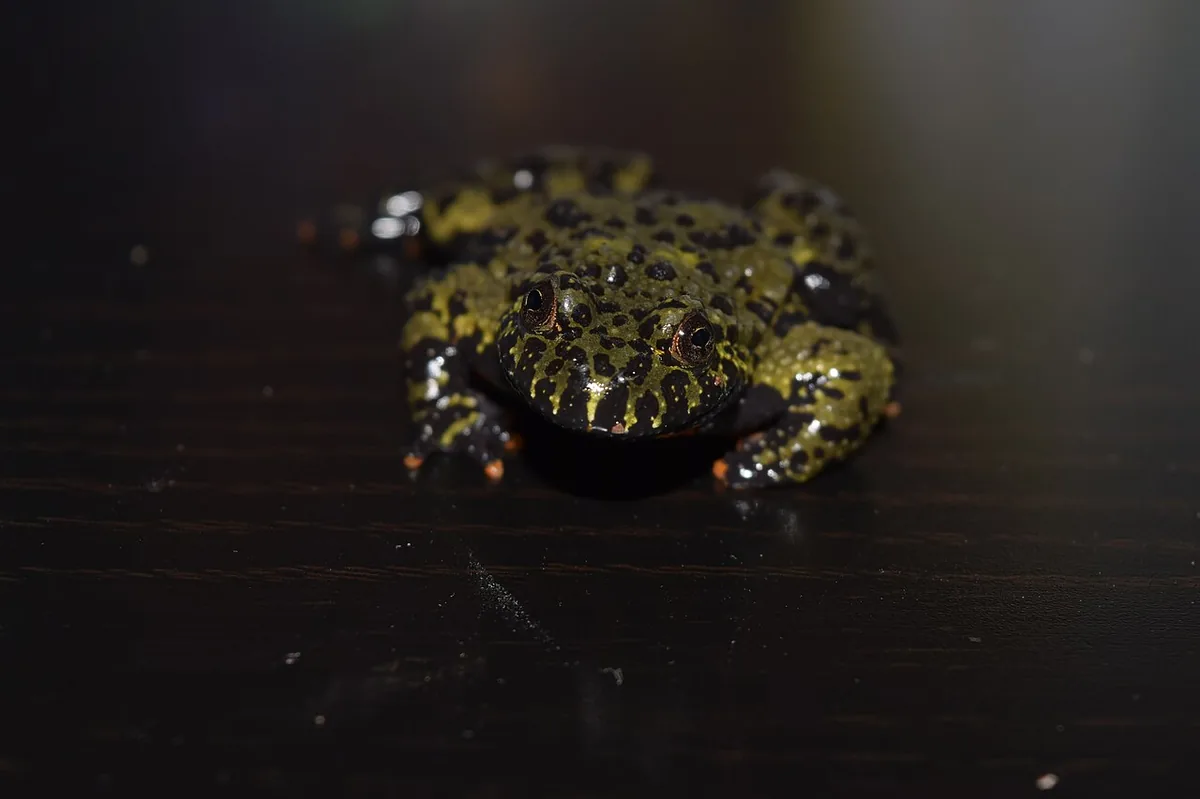
Fire-bellied toads commonly live 12 to 20 years, with individuals reported around 30. They are among the hardiest amphibians kept, which makes the failures that do occur mostly environmental.
Published lifespan figures
| Figure | Value | Notes |
|---|---|---|
| Commonly published | 12-20 years | Long for a small amphibian |
| Some individuals | Reported around 30 years | Records exist |
| Hardy | Yes | Among the more forgiving amphibians |
Checked September 20, 2026 against the sources at the foot of this page. Where sources differ the range is shown rather than averaged.
What actually shortens it
Published lifespans describe well-kept animals. The gap between the figure above and what a fire-bellied toad actually lives is almost entirely husbandry, and these are the levers that matter most.
Untreated tap water
The commonest avoidable killer in amphibian keeping. Amphibian skin absorbs what it touches, so chlorine and chloramine in tap water are taken straight in. Every drop an amphibian sits in, drinks from or is misted with has to be dechlorinated.
Temperatures that are too warm
Temperate amphibians are routinely kept at reptile temperatures. Chronic heat stress suppresses the immune system and shortens the life, and it is invisible until the animal is already unwell.
Mixed-species housing
Bombina secrete skin toxins that are harmful to other amphibians sharing their water. Housing them with other frogs is a recognised problem rather than a preference.
Common questions
How long do fire-bellied toads live?
Commonly 12 to 20 years, with individuals reported around 30. They are among the longest-lived small amphibians relative to their size.
What shortens a fire-bellied toad's life?
Untreated water, temperatures kept too warm, and mixed-species housing. Their skin secretions are harmful to other amphibians sharing the water.
Can fire-bellied toads be housed with other frogs?
It is not advisable. Bombina secrete skin toxins into their water that can harm other amphibians, which makes them a single-species setup.