How Long Do Axolotls Live?
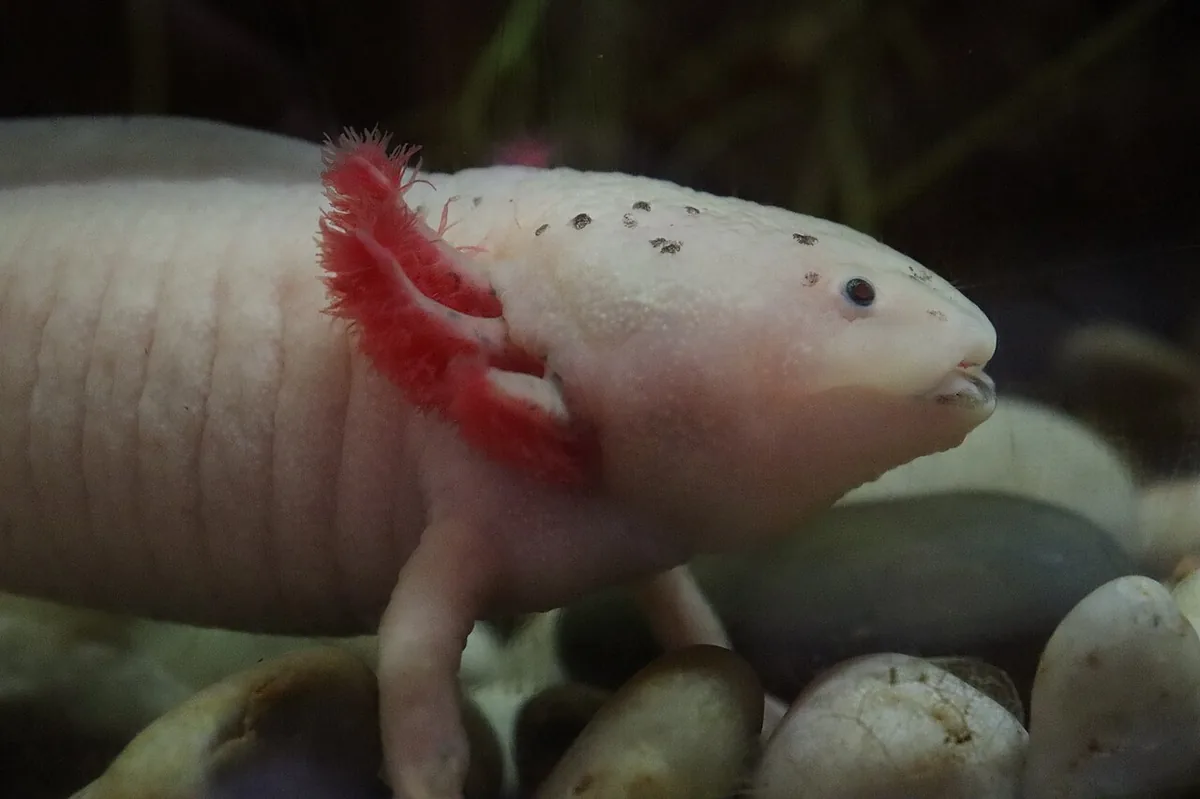
Axolotls commonly live 10 to 15 years, and 18 to 20 with excellent water quality and stable cool temperatures. Documented individuals have reached 20 to 22.
Published lifespan figures
| Figure | Value | Notes |
|---|---|---|
| Commonly published | 10-15 years | The usual captive range |
| Excellent water quality and cool temperatures | 18-20 years | Achievable |
| Documented maximum | 20-22 years | Records exist |
Checked September 20, 2026 against the sources at the foot of this page. Where sources differ the range is shown rather than averaged.
What actually shortens it
Published lifespans describe well-kept animals. The gap between the figure above and what a axolotl actually lives is almost entirely husbandry, and these are the levers that matter most.
Water quality crashes
Ammonia and nitrite in an uncycled or overloaded tank. Axolotls absorb through permeable skin and external gills, so a spike reaches them directly and fast. It is the commonest cause of death in captive axolotls.
Overheating
Sustained temperatures above about 72F cause stress, appetite loss and eventually death. Most homes are too warm in summer without active cooling, which is the problem keepers most underestimate.
Starting with a pet-store animal
Pet store tanks are frequently uncycled, too warm and poorly filtered, so the animal is often already compromised at purchase. Reputable private breeders are the better source.
Common questions
How long do axolotls live?
Commonly 10 to 15 years, extending to 18 to 20 with excellent water quality and stable cool temperatures. Documented cases reach 20 to 22 years.
What kills axolotls early?
Water quality crashes and overheating. Ammonia and nitrite reach them directly through permeable skin and external gills, and sustained temperatures above about 72F cause progressive stress and death.
Why do pet-store axolotls often die?
Because pet-store tanks are frequently uncycled, too warm and poorly filtered, so the animal is compromised before it is sold. Buying from a reputable private breeder substantially improves the odds.