← Marginated Tortoise care guide
What do marginated tortoises eat?
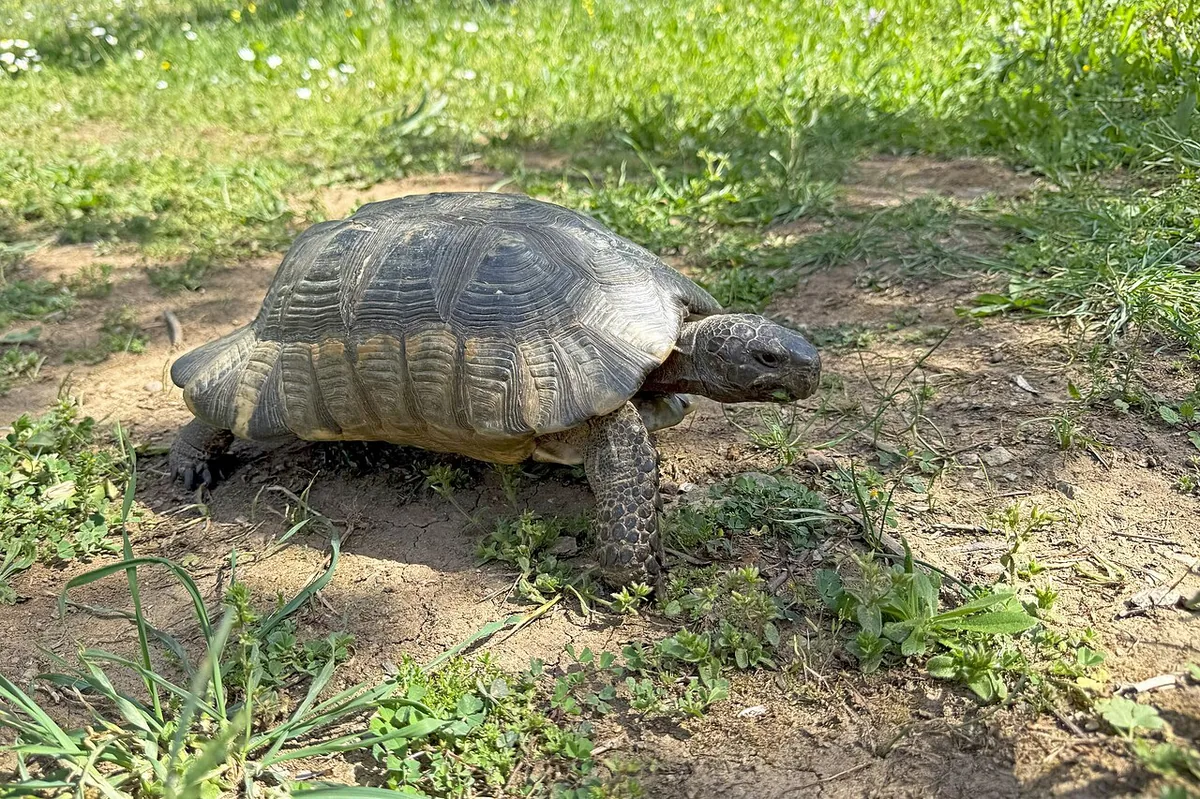
The short answer
Marginated tortoises are Mediterranean grazers and eat much like Hermann's and Greek tortoises: weeds, grasses and leafy greens, high in fibre and low in protein. The species-specific wrinkle is seasonal, since they brumate naturally and appetite falls away for two to four months.
Feeding schedule by age
| Life stage | Diet balance | How often | Notes |
|---|---|---|---|
| Hatchling / juvenile | Chopped weeds and greens | Daily | Humid hide alongside the diet |
| Adult | Weeds, grasses, leafy greens | Daily graze | Larger volume than a Hermann's |
| Pre-brumation | Reduced intake | Tapering | Normal; do not force feeding |
| Brumation | None | 2-4 months | Little or no food taken |
Intervals and ratios here follow the sources listed at the foot of this page, checked September 20, 2026. Where those sources differ, the disagreement is set out in Where good sources disagree rather than averaged into a single number. Figures resting on keeper consensus rather than a published source are labelled as such where they appear.
What to feed
| Food | Role | Why |
|---|---|---|
| Dandelion greens and flowers | Staple | Classic tortoise food, high calcium |
| Clover, plantain, mallow | Weeds | Forage if pesticide-free |
| Endive, escarole, radicchio | Greens | Good fibre |
| Timothy or orchard hay | Fibre | Mix with greens |
| Grazing grass | Staple | Outdoor grazing ideal |
| Edible flowers | Enrichment | Pansies, nasturtiums, hibiscus |
| Cuttlebone | Calcium | Left available; replace every 1-2 months |
What never to feed
Items in this table are either outright toxic or cause predictable long-term harm. This is the part of the page worth reading twice.
| Do not feed | Why |
|---|---|
| Any animal protein | Causes pyramiding and kidney damage in grazing tortoises. |
| Fruit as a regular food | Not part of a grazing tortoise's natural diet. |
| Avocado | Toxic. |
| Rhubarb | Toxic. |
| Onion and garlic | Toxic. |
| Iceberg lettuce | No meaningful nutrition. |
| Spinach as a staple | Oxalates bind calcium. |
| Pesticide-treated plants or lawn clippings | Chemical exposure risk. |
| Commercial pellets as the whole diet | Too low in fibre for a grazer. |
Where good sources disagree
Care sheets do not all say the same thing, and pretending otherwise helps nobody. These are the real points of difference between the sources cited at the foot of this page, and what we think the safe reading is.
Whether to brumate at all.
Some keepers brumate their marginated tortoises as the species does naturally; others keep them warm and feeding year round. Both are practised. The point that matters dietarily is that an adult reducing its intake as temperatures fall is behaving normally rather than becoming ill, and should not be pushed to eat.
What most marginated tortoise feeding advice gets wrong
An autumn appetite drop is the species working properly.
Marginated tortoises brumate for roughly two to four months, and intake falls away in the run-up. Keepers unfamiliar with brumation read this as illness and start intervening. Provided the animal is otherwise healthy and at a good weight, tapering intake ahead of a cooling period is exactly what should happen.
It eats more than a Hermann's because it is bigger.
This is the largest European tortoise and the largest Testudo, reaching up to about five kilograms. Care sheets shared across the Mediterranean species give the right food list and understate the volume. Plan grazing area and food quantity for the larger animal.
Do not borrow the red-footed tortoise diet.
As a Mediterranean grazer, this species needs high fibre and low protein with no animal matter. The substantial fruit and occasional protein appropriate for a forest-dwelling red-footed tortoise cause pyramiding and kidney problems here.
Common questions
What do marginated tortoises eat?
Weeds, grasses and leafy greens such as dandelion, clover, plantain, endive and radicchio, with safe edible flowers and small amounts of vegetables. They are strict herbivores: no animal protein, and fruit rare or absent.
Why has my marginated tortoise stopped eating in autumn?
They brumate naturally for two to four months, and appetite tapers well before brumation begins. In a healthy adult at good weight this is normal seasonal behaviour rather than illness, and the animal should not be pushed to eat.
Do marginated tortoises eat more than Hermann's tortoises?
Yes, simply because they are considerably larger. Marginated tortoises are the largest European tortoise and the largest species in the genus Testudo, so both grazing area and food volume need planning for a bigger animal even though the food list is similar.