What do garter snakes eat?
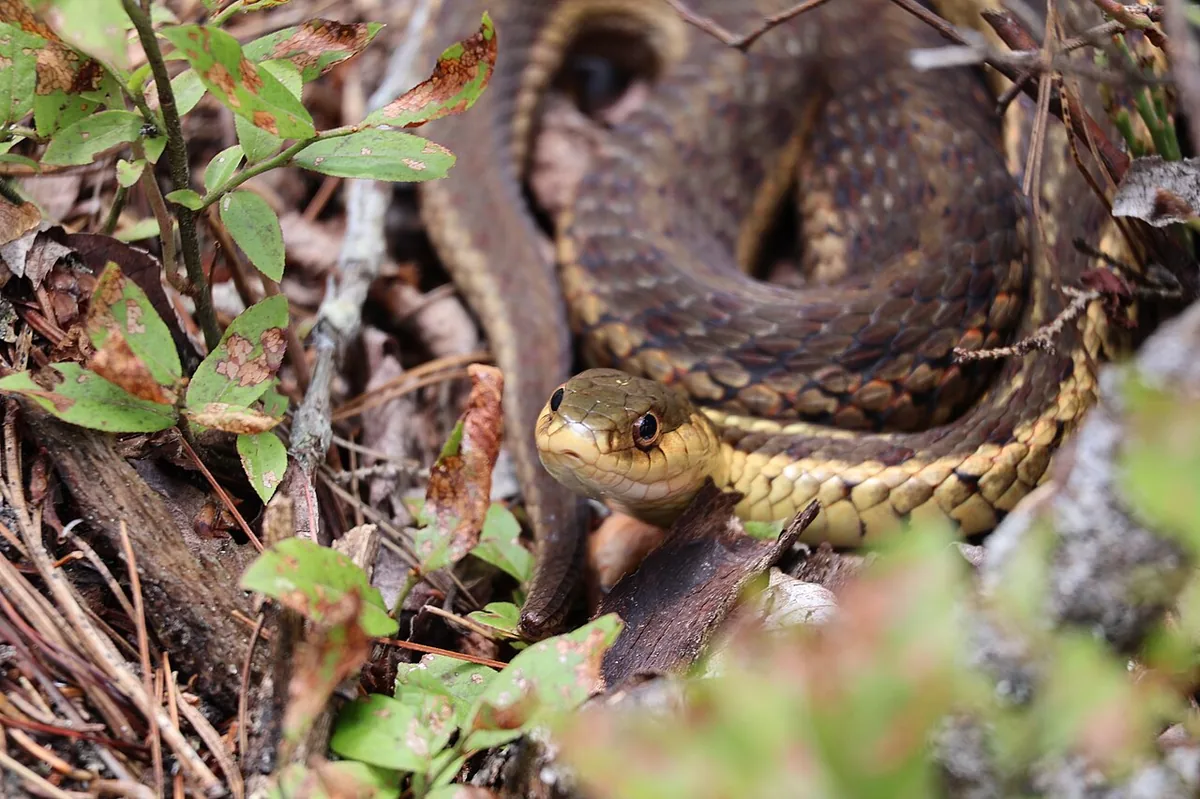
The short answer
Garter snakes are the odd one out among common pet snakes: they eat fish, earthworms and amphibians rather than being rodent specialists. That makes thiaminase the defining risk. Several commonly sold feeder fish contain an enzyme that destroys vitamin B1, and a garter snake fed on them develops neurological disease.
Feeding schedule by age
| Life stage | Diet balance | How often | Notes |
|---|---|---|---|
| Hatchling | Chopped worm, small fish pieces | Every 2-3 days | Small and often while growing |
| Juvenile | Worms, fish, pinkies | Every 3-4 days | Grows quickly |
| Adult | Whole fish, nightcrawlers, occasional rodents | Every 5-7 days | Vary the protein sources |
What to feed
| Food | Role | Why |
|---|---|---|
| Nightcrawler earthworms | Staple | Well accepted; use a clean farmed source |
| Silversides | Staple fish | Thiaminase-free, whole-fish nutrition |
| Tilapia, salmon, trout (pieces) | Staple fish | Thiaminase-free |
| Pollock, haddock, cod | Regular | Thiaminase-free grocery options |
| Guppies, platies | Live feeders | Safe live fish |
| Pink mice | Rotation | Adds nutrition a fish-only diet lacks |
What never to feed
Items in this table are either outright toxic or cause predictable long-term harm. This is the part of the page worth reading twice.
| Do not feed | Why |
|---|---|
| Goldfish | Contains thiaminase. The single most common fatal feeding mistake with this species. |
| Fathead minnows / rosy reds | Contain thiaminase. |
| Tuna and bream | Contain thiaminase. |
| A fish-only diet with no variety | Risks deficiency even using safe fish. |
| Wild-caught rodents | Parasite, disease and rodenticide risk. |
| Wild-caught amphibians | Parasite and toxin risk. |
Where good sources disagree
Care sheets do not all say the same thing, and pretending otherwise helps nobody. These are the real points of difference between the sources cited at the foot of this page, and what we think the safe reading is.
Whether earthworms or fish should be the base.
Sources differ on the ratio, and both are legitimate staples. The disagreement is about parasite risk from worms versus deficiency risk from fish, and the practical answer is the same either way: feed both, from clean sources, rather than relying on one.
What most garter snake feeding advice gets wrong
Thiaminase is the thing to learn about this species.
Most snake keeping advice is about rodents and therefore does not apply here. Thiaminase is an enzyme present in certain fish that breaks down thiamine (vitamin B1) before the snake can absorb it. The damage is cumulative and neurological: seizures, star-gazing, and eventually death. Goldfish are the classic offender and are also nutritionally poor, which is why they appear on every do-not-feed list for this species.
Variety is not enrichment here, it is nutrition.
A garter snake fed one item indefinitely, even a safe one, is at risk of deficiency in a way a rodent-fed corn snake is not. Whole fish, earthworms and the occasional pink mouse between them cover what a single item cannot.
Common questions
What do garter snakes eat?
In captivity, mainly whole fish and nightcrawler earthworms, with many individuals also taking pink mice. Unlike most pet snakes they are not rodent specialists. Wild garter snakes also eat amphibians, slugs and small fish, but wild-caught prey carries parasite risk and is not recommended.
Can garter snakes eat goldfish?
No. Goldfish contain thiaminase, an enzyme that destroys vitamin B1, and a garter snake fed goldfish regularly develops a thiamine deficiency causing seizures, star-gazing and eventually death. Goldfish are also nutritionally poor. Use silversides, tilapia, salmon, trout or live guppies and platies instead.
What fish are safe for garter snakes?
Pollock, haddock, cod, salmon, trout, tilapia and silversides are thiaminase-free and widely used. For live feeders, guppies and platies are the usual safe choices. Avoid goldfish, fathead minnows, tuna and bream, all of which contain thiaminase.
How often should I feed a garter snake?
Hatchlings every two to three days, juveniles every three to four, and adults roughly every five to seven days. They eat smaller meals more frequently than rodent-feeding snakes of similar size, which is a consequence of the prey they are built to process.
Can garter snakes eat earthworms?
Yes, nightcrawler earthworms are a legitimate staple and widely used. The caveat is parasites: use a clean farmed source rather than worms dug from the garden, and avoid bait-shop worms treated with preservatives.