← California Kingsnake care guide
California Kingsnake Enclosure and Habitat
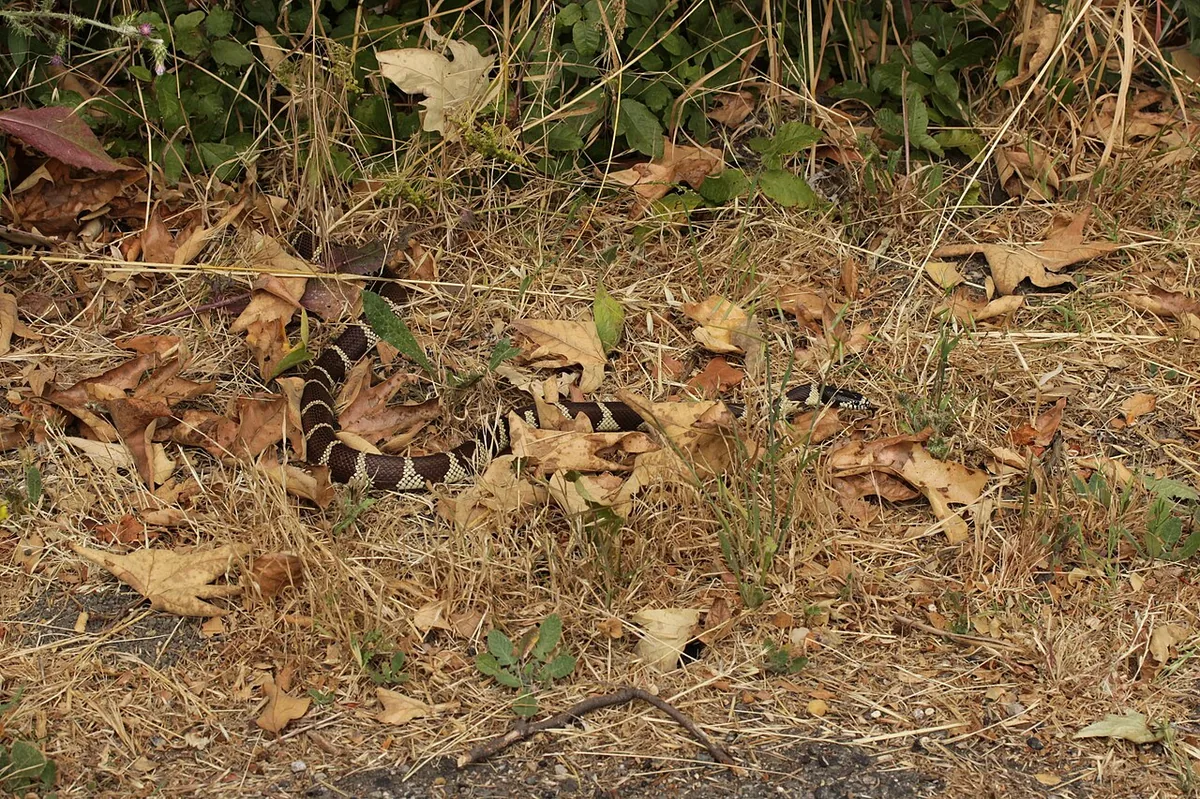
The published minimum for an average adult California kingsnake is 4 x 2 x 2 feet. The species-specific issue is not size, it is security: kingsnakes are among the more determined escape artists kept, and they must never share an enclosure.
What published sources give
| Figure | Size | Notes |
|---|---|---|
| Adult minimum, commonly published | 4 x 2 x 2 ft | For one average kingsnake |
| Occupancy | One snake per enclosure | Not a preference; kingsnakes eat other snakes |
| Orientation | Floor space over height | Terrestrial and active |
Checked September 20, 2026. Where sources differ the range is shown rather than averaged. These are the figures published as minimums; none of them is a maximum.
What changes as they grow
Juvenile
Smaller, well-furnished enclosures while small. Hatchlings are slender enough to exploit gaps an adult could not, so lid security matters from day one.
Adult
4 x 2 x 2 ft as the published minimum for one animal. Still one animal.
Enclosure mistakes specific to this species
A lid that is not genuinely secure
Snakes test every seam, and a determined animal will lift an unweighted glass lid or push through a warped one. An escaped snake is a lost snake in most homes, and a thermally stranded one. Locking lids or a front-opening enclosure with a proper catch.
Housing two together to save space
This is an enclosure decision with a welfare consequence. Kingsnakes are ophiophagous and cohabitation carries a real risk of one eating the other. No enclosure size removes that risk.
Underestimating how small a gap they will use
Kingsnakes are strong and persistent, and juveniles are slim. Gaps around cable entries, warped lids and loose vents are the usual exit routes.
Enclosure hazards that apply to almost every setup
Five hazards come up across nearly every species on this site: contact burns from unguarded heat, UVB that never reaches the animal, cutting ventilation to hold humidity, unsecured decor, and trusting a bulb's wattage instead of a thermometer. They are set out in full, with sources, on our enclosure hazards page, which is worth reading once against any setup including one that looks finished.
Signs the enclosure is wrong
Animals tell you about their housing through behaviour before they tell you through illness. None of these is a diagnosis; each is a reason to look at the enclosure and, where noted, to call a vet.
| What you see | What it can mean |
|---|---|
| Persistent seam-testing at the lid or door | An escape attempt in progress. |
| Two snakes housed together, at all | Not a symptom, a standing risk. Separate them. |
| Refusal to settle in any hide | Often too few hides or too little cover. |
| Burns on the belly | Unregulated heat. Veterinary attention. |
Common questions
What size enclosure does a California kingsnake need?
The commonly published minimum for one average adult is 4 feet by 2 by 2. They are terrestrial and active, so floor space is worth more than height.
Can two kingsnakes share an enclosure?
No. Kingsnakes eat other snakes, and cohabitation carries a genuine risk of cannibalism regardless of enclosure size. Single housing is the standard recommendation for the species.
Are kingsnakes escape artists?
They have a strong reputation for it. They are powerful for their size and persistent about testing seams, cable entries and lids. A properly latching enclosure is not optional with this species.