← Brazilian Rainbow Boa care guide
Brazilian Rainbow Boa Enclosure and Habitat
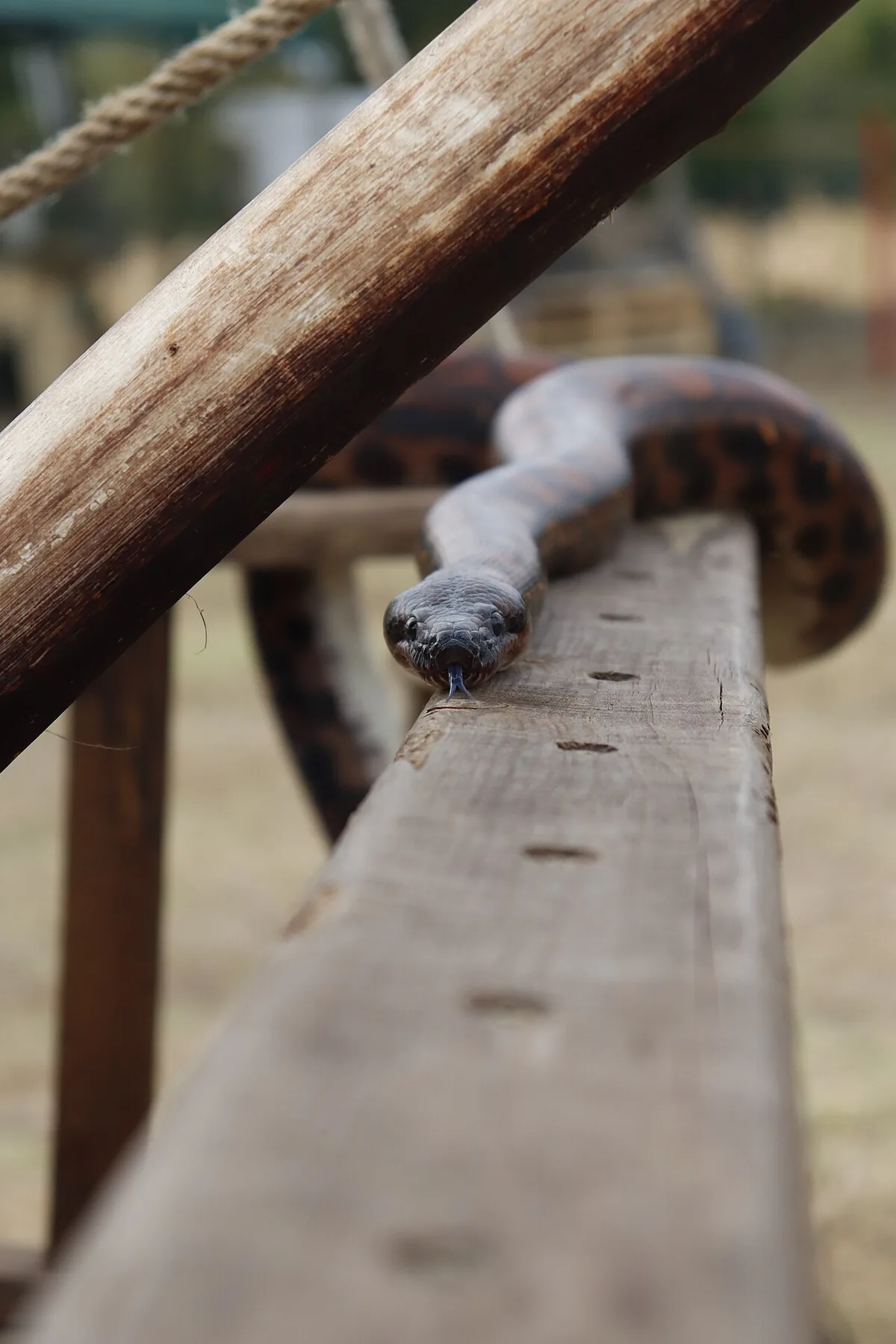
Brazilian rainbow boas are the species where enclosure humidity does most of the work. They are noticeably intolerant of dry conditions, and most apparent feeding and shedding problems in this species trace back to the air rather than the animal.
What published sources give
| Figure | Size | Notes |
|---|---|---|
| Adult minimum | 4 x 2 x 2 ft | From this site's care guide; PVC commonly preferred |
| Why PVC | Holds humidity better than glass | The usual recommendation for humid species |
| Water | A bowl large enough to soak in | Supports hydration and shedding |
Checked September 20, 2026. Where sources differ the range is shown rather than averaged. These are the figures published as minimums; none of them is a maximum.
What changes as they grow
Juvenile
Nippy with a strong feeding response, which is a handling matter rather than an enclosure one. Humidity requirements apply from day one.
Adult
4 x 2 x 2 ft as the published floor, in an enclosure that can actually hold moisture. A screen-topped glass tank fights you constantly on this species.
Enclosure mistakes specific to this species
Any heat source without a thermostat
Snakes coil against warmth and do not move away from it, which is why belly heat is the classic cause of thermal burns. Every mat, cable and emitter on a thermostat, probe where the animal contacts the heat.
A screen-top glass tank
Not wrong in principle, but it makes humidity a daily battle for a species that needs it stable. PVC enclosures are the common recommendation precisely because they hold moisture without being sealed.
Blocking ventilation to win that battle
The predictable next step, and the one Merck's guidance warns against: reducing ventilation to maintain humidity frequently causes skin and respiratory disease. Change the enclosure rather than the airflow.
Enclosure hazards that apply to almost every setup
Five hazards come up across nearly every species on this site: contact burns from unguarded heat, UVB that never reaches the animal, cutting ventilation to hold humidity, unsecured decor, and trusting a bulb's wattage instead of a thermometer. They are set out in full, with sources, on our enclosure hazards page, which is worth reading once against any setup including one that looks finished.
Signs the enclosure is wrong
Animals tell you about their housing through behaviour before they tell you through illness. None of these is a diagnosis; each is a reason to look at the enclosure and, where noted, to call a vet.
| What you see | What it can mean |
|---|---|
| Shedding in pieces rather than one piece | Almost always humidity in this species. |
| Dull skin or sunken appearance | Dehydration; check humidity and water. |
| Refusing food with no other sign | Check humidity before assuming a feeding problem. |
| Wheezing or open-mouth breathing | Respiratory disease. Veterinary attention. |
Common questions
What size enclosure does a Brazilian rainbow boa need?
A minimum of 4 feet by 2 by 2 for an adult. PVC is commonly preferred over glass because this species needs stable humidity and PVC holds it without the enclosure having to be sealed.
Why is my rainbow boa shedding badly?
Almost always humidity. This species is noticeably intolerant of dry conditions, and poor sheds are usually the first visible sign. Correcting humidity resolves a large share of apparent problems in rainbow boas.
Can I keep a rainbow boa in a glass tank?
It is possible but makes humidity harder to maintain, particularly with a screen top. The important thing is not to solve that by blocking ventilation, which causes skin and respiratory disease.