← Brazilian Rainbow Boa care guide
What do Brazilian rainbow boas eat?
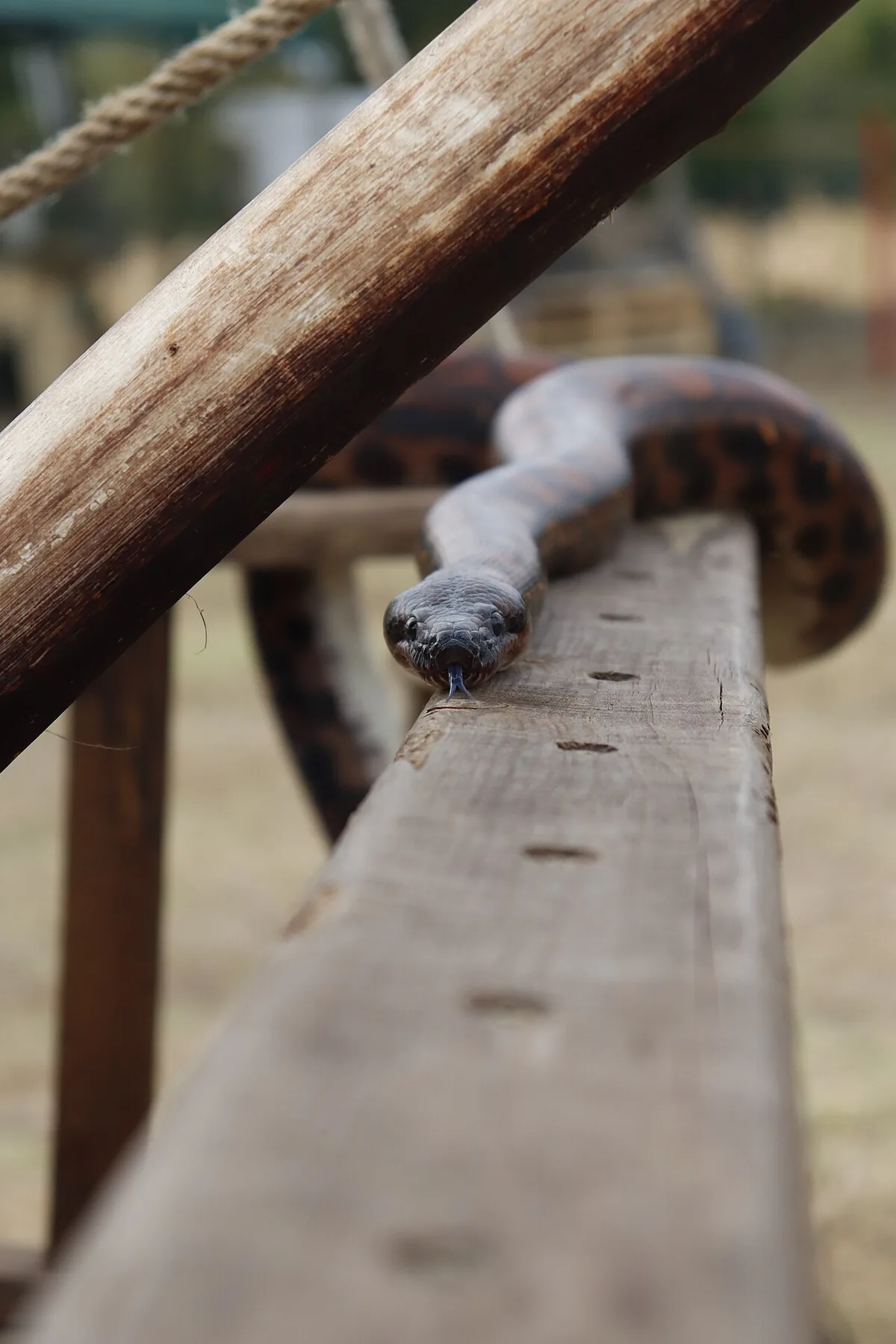
The short answer
Brazilian rainbow boas eat whole rodents on a moderate schedule. What sets this species apart is not the menu but the hydration around it: they are unusually sensitive to low humidity, and a dehydrated boa has shedding and feeding problems that no change of prey will fix.
Feeding schedule by age
| Life stage | Diet balance | How often | Notes |
|---|---|---|---|
| Juvenile | Appropriately sized mouse | Every 7-10 days | Growing |
| Adult | Rat or large mouse | Every 10-14 days | Judge by body condition |
What to feed
| Food | Role | Why |
|---|---|---|
| Frozen-thawed rodents | Staple | Safer than live; thaw in the fridge, warm in warm not hot water |
| Rats | Staple | Standard adult prey |
| Mice | Juveniles | Appropriate while small |
What never to feed
Items in this table are either outright toxic or cause predictable long-term harm. This is the part of the page worth reading twice.
| Do not feed | Why |
|---|---|
| Live prey left unattended | Rodents bite and can seriously wound or kill a snake. |
| Prey wider than the snake's thickest point | Regurgitation and injury risk. |
| Wild-caught rodents | Parasite, disease and rodenticide risk. |
| Meat, eggs or other substitutes | Snakes need whole prey for complete nutrition. |
| Low humidity | Not a food, but the main cause of feeding and shedding problems here. |
| Feeding during a shed | Commonly refused in a species that sheds frequently. |
Where good sources disagree
Care sheets do not all say the same thing, and pretending otherwise helps nobody. These are the real points of difference between the sources cited at the foot of this page, and what we think the safe reading is.
Whether refusal is a humidity problem or a feeding problem.
Keepers report both. The practical approach is to check humidity and hydration first, because in this species those are the common cause and are cheap to correct, before treating a refusal as a feeding issue.
What most brazilian rainbow boa feeding advice gets wrong
Fix the humidity before you change the food.
Brazilian rainbow boas come from humid habitat and are noticeably intolerant of dry enclosures. A boa that is refusing food, shedding in pieces, or looking dull is usually telling you about the air rather than the menu. Correcting humidity resolves a surprising proportion of apparent feeding problems in this species.
Common questions
What do Brazilian rainbow boas eat?
Appropriately sized whole rodents, mice for juveniles and rats for most adults, offered frozen-thawed. Their diet is unremarkable; the species' particular requirements are about humidity and hydration rather than food.
How often should I feed a Brazilian rainbow boa?
Adults generally every ten to fourteen days, juveniles every seven to ten while growing. As with other boas, judge by body condition, since adults that continue on a juvenile schedule put on weight they cannot use.
Why is my rainbow boa refusing food?
Check humidity and hydration first. This species is unusually sensitive to dry conditions, and dehydration causes poor sheds and food refusal. Shedding, recent handling and low temperatures are the other common causes.