How Long Do Gargoyle Geckos Live?
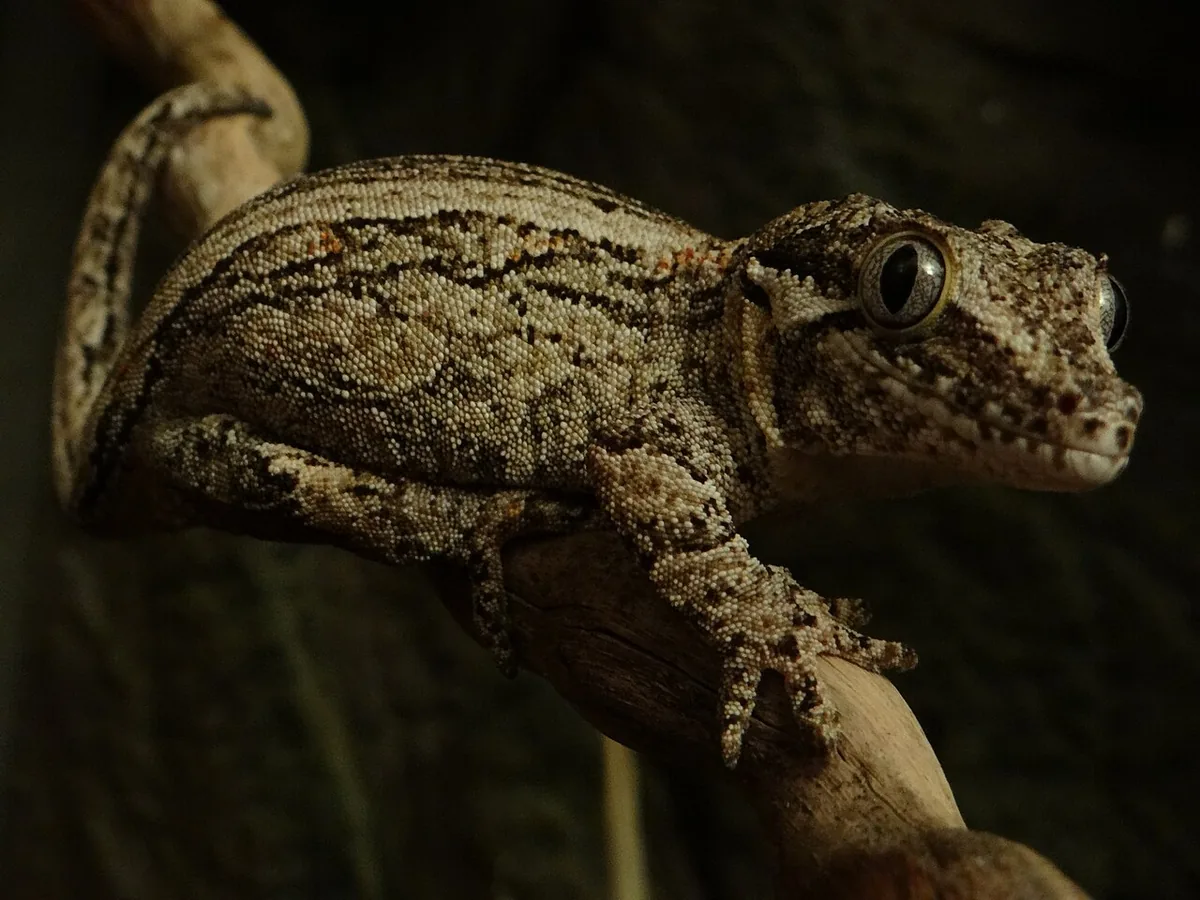
Gargoyle geckos commonly live 15 to 20 years and are among the easier geckos to keep. The mistake that most often shortens that is adding heat they do not need.
Published lifespan figures
| Figure | Value | Notes |
|---|---|---|
| Commonly published | 15-20 years | The usual captive range |
| Hardy | Yes | Among the easier geckos |
| Room temperature | Suits them | No heat source needed in most homes |
Checked September 20, 2026 against the sources at the foot of this page. Where sources differ the range is shown rather than averaged.
What actually shortens it
Published lifespans describe well-kept animals. The gap between the figure above and what a gargoyle gecko actually lives is almost entirely husbandry, and these are the levers that matter most.
Temperatures kept too high
The gargoyle-specific risk, and the opposite of most reptile problems. They are New Caledonian species that do badly above the low eighties Fahrenheit, and keepers who add a basking lamp out of habit cause heat stress.
Impaction
Loose particulate substrate swallowed with prey or licked up during exploration. It is a slow blockage rather than a sudden event, and it is one of the commonest preventable deaths in captive lizards.
A diet of insects only
Commercial crested gecko diet is the appropriate staple for Rhacodactylus. An insect-only diet leaves calcium and vitamin gaps that show as metabolic bone disease over time.
Common questions
How long do gargoyle geckos live?
Commonly 15 to 20 years in captivity. They are hardy and undemanding, so most animals with reasonable husbandry reach that range.
What shortens a gargoyle gecko's life?
Overheating. They come from New Caledonia and do badly above the low eighties Fahrenheit, so a basking lamp added out of habit is a genuine risk rather than a neutral addition.
Do gargoyle geckos need a heat lamp?
In most homes, no. Room temperature suits them, and the common error is adding heat rather than failing to provide it.