What do gargoyle geckos eat?
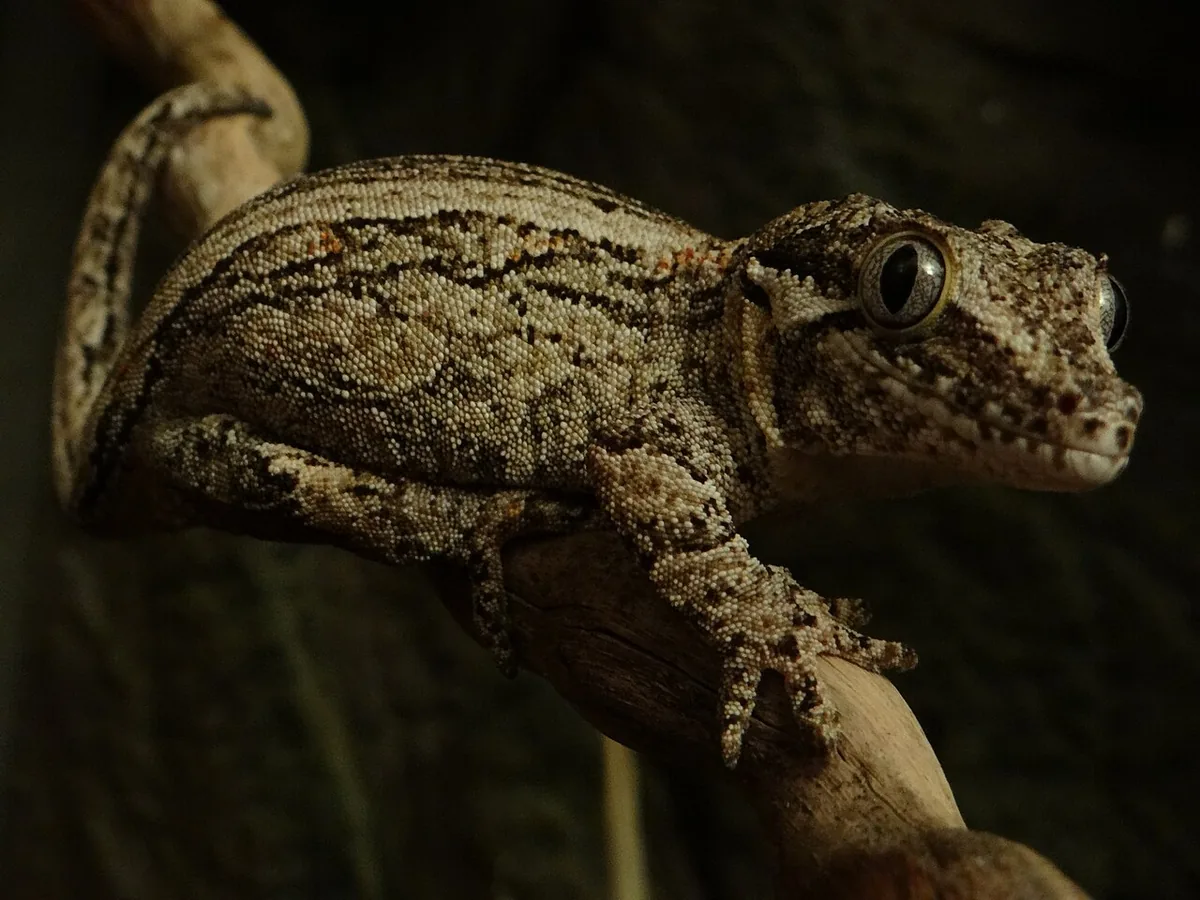
The short answer
Gargoyle geckos are fed a commercial gecko diet as the staple, in the same way as crested geckos. They differ in one interesting respect: they are noticeably more carnivorous than crested geckos and take insects more readily, which also makes them more inclined to bite each other.
Feeding schedule by age
| Life stage | Diet balance | How often | Notes |
|---|---|---|---|
| Juvenile | CGD daily, insects 1-2x weekly | Daily CGD | Growing |
| Adult | CGD every 2-3 days, insects up to weekly | Alternating | Insects better accepted than in crested geckos |
| All ages | Fresh fruit | 1-2x monthly | Treat only |
What to feed
| Food | Role | Why |
|---|---|---|
| Pangea or Repashy complete diet | Staple | Balanced calcium, phosphorus and D3 |
| Dubia roaches and crickets | Insects | Taken more readily than by crested geckos |
| Black soldier fly larvae | Insects | Calcium-rich |
| Papaya, mango, berries | Treat | Occasional only |
What never to feed
Items in this table are either outright toxic or cause predictable long-term harm. This is the part of the page worth reading twice.
| Do not feed | Why |
|---|---|
| Fruit as a staple diet | Too high in sugar, too low in calcium and protein. |
| Human baby food as a diet | Outdated and not nutritionally complete. |
| Wild-caught insects | Pesticide, parasite and toxicity risk. |
| Prey larger than the space between the eyes | Standard feeder-size rule; impaction risk. |
| Housing multiple animals casually | Their carnivorous streak makes bitten tails and toes common. |
Where good sources disagree
Care sheets do not all say the same thing, and pretending otherwise helps nobody. These are the real points of difference between the sources cited at the foot of this page, and what we think the safe reading is.
How much insect protein adults need.
Because gargoyles take insects more readily than crested geckos, practice ranges from weekly insects to occasional. All sources keep the commercial diet as the staple; none suggest insects should replace it.
What most gargoyle gecko feeding advice gets wrong
They are crested geckos' more carnivorous cousin.
The husbandry is largely shared, and the diets overlap heavily, but gargoyle geckos have a stronger predatory streak. Practically this means they take insects more enthusiastically, and it also means cohabiting animals bite each other's tails and toes more often than crested geckos do.
Fruit alone is not a diet here either.
As with crested geckos, the old advice to feed mashed fruit or baby food produces metabolic bone disease. Commercial gecko diets exist because fruit is too high in sugar and too low in calcium and protein to sustain these species.
Common questions
What do gargoyle geckos eat?
A commercial gecko diet powder mixed with water is the staple, supplemented with insects such as dubia roaches, crickets and black soldier fly larvae. Fresh fruit is an occasional treat rather than a food group.
Are gargoyle geckos the same as crested geckos to feed?
Largely, though gargoyle geckos are more carnivorous and take insects more readily. Both use a commercial gecko diet as the staple. The practical difference is that gargoyles are keener predators, which also makes cohabitation riskier.
Do gargoyle geckos regrow their tails?
Yes, unlike crested geckos, which do not. A regrown gargoyle tail usually differs in shape and colour from the original, but the animal is not permanently tail-less the way a crested gecko is after a drop.