← African Fat-Tailed Gecko care guide
What do African fat-tailed geckos eat?
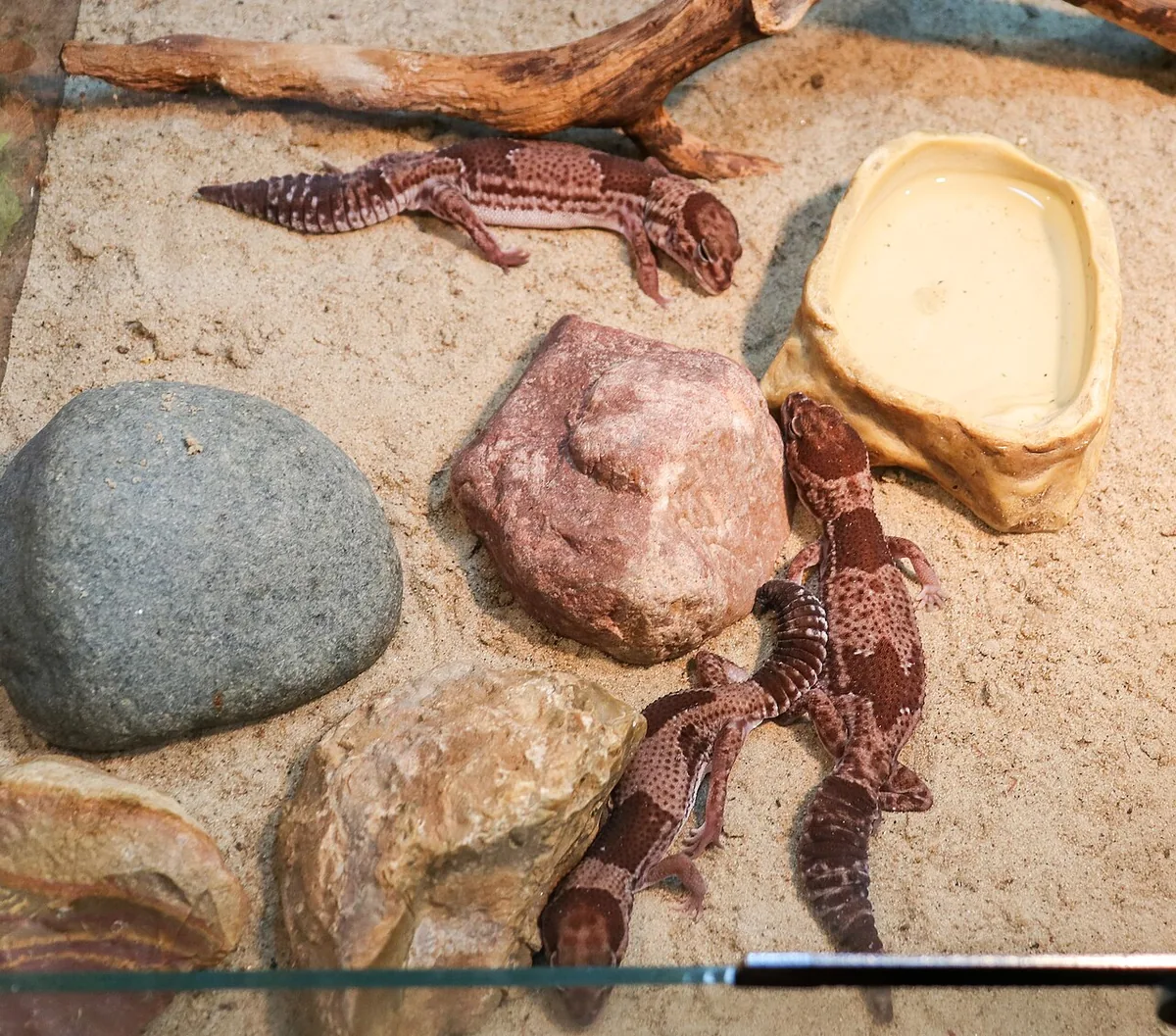
The short answer
African fat-tailed geckos are obligate insectivores, like leopard geckos, and store fat in the tail in the same way. The practical difference is habitat: they come from humid West Africa, and dehydration shows up as poor sheds and reduced feeding far more readily than in their desert cousins.
Feeding schedule by age
| Life stage | Diet balance | How often | Notes |
|---|---|---|---|
| Hatchling | Small feeders | Daily | Growing |
| Juvenile | Growing feeders | Daily or every other day | Watch tail width |
| Adult | Staple rotation | Every 2-3 days | Judge by tail and body condition |
What to feed
| Food | Role | Why |
|---|---|---|
| Dubia roaches | Staple | Good protein and ratio, low chitin |
| Crickets | Staple | Cheap and active; gut-load first |
| Black soldier fly larvae | Staple | Naturally calcium-rich |
| Hornworms, silkworms | Rotation | Hydrating and low fat |
| Waxworms, superworms | Treat only | High fat |
| Gut-loaded insects | Requirement | Feed the insects 24-48h before offering |
| Calcium dusting | Requirement | Insects are calcium-poor and phosphorus-rich |
What never to feed
Items in this table are either outright toxic or cause predictable long-term harm. This is the part of the page worth reading twice.
| Do not feed | Why |
|---|---|
| Dry conditions | Not a food, but the main cause of feeding and shedding problems in this species. |
| Fruit and vegetables as a food group | Not usable by an insectivore. |
| Wild-caught insects | Pesticide, parasite and toxicity risk. |
| Fireflies / lightning bugs | Toxic to reptiles. |
| Prey larger than the space between the eyes | Standard feeder-size rule; impaction risk. |
| Relying on one feeder species | Variety covers what a single insect cannot. |
Where good sources disagree
Care sheets do not all say the same thing, and pretending otherwise helps nobody. These are the real points of difference between the sources cited at the foot of this page, and what we think the safe reading is.
How much they differ from leopard geckos dietarily.
The food list is essentially the same, and published care sheets often treat them as interchangeable insectivores. The meaningful difference is environmental rather than dietary: a fat-tail kept at leopard gecko humidity will have shedding problems that a diet change will not fix.
What most african fat-tailed gecko feeding advice gets wrong
Same diet as a leopard gecko, different climate.
Keepers frequently buy a fat-tail as a 'humid leopard gecko' and get the food right while getting the environment wrong. The feeding list transfers; the desert enclosure does not. Stuck sheds, particularly around toes and the tail tip, are usually the first sign the humidity is too low.
The tail tells you about the feeding schedule.
Fat-tailed geckos store fat in the tail, which makes body condition unusually easy to read. A tail noticeably wider than the body, with fat deposits behind the back legs, means too much food or too many high-fat feeders.
Common questions
What do African fat-tailed geckos eat?
Live insects only: dubia roaches, crickets, black soldier fly larvae, hornworms and silkworms are the usual staples, gut-loaded and dusted with calcium. They are obligate insectivores and cannot use fruit, vegetables or prepared gecko diets.
Are fat-tailed geckos the same as leopard geckos to feed?
The food list is essentially identical, since both are obligate insectivores that store fat in the tail. The difference is humidity: fat-tailed geckos come from humid West African habitat, and dry conditions cause shedding and feeding problems that a diet change will not resolve.
How often should I feed an African fat-tailed gecko?
Hatchlings daily, juveniles daily to every other day, and adults every two to three days. Judge by tail width rather than by a fixed schedule: a healthy adult tail is roughly as wide as the neck.