What do poison dart frogs eat?
The short answer
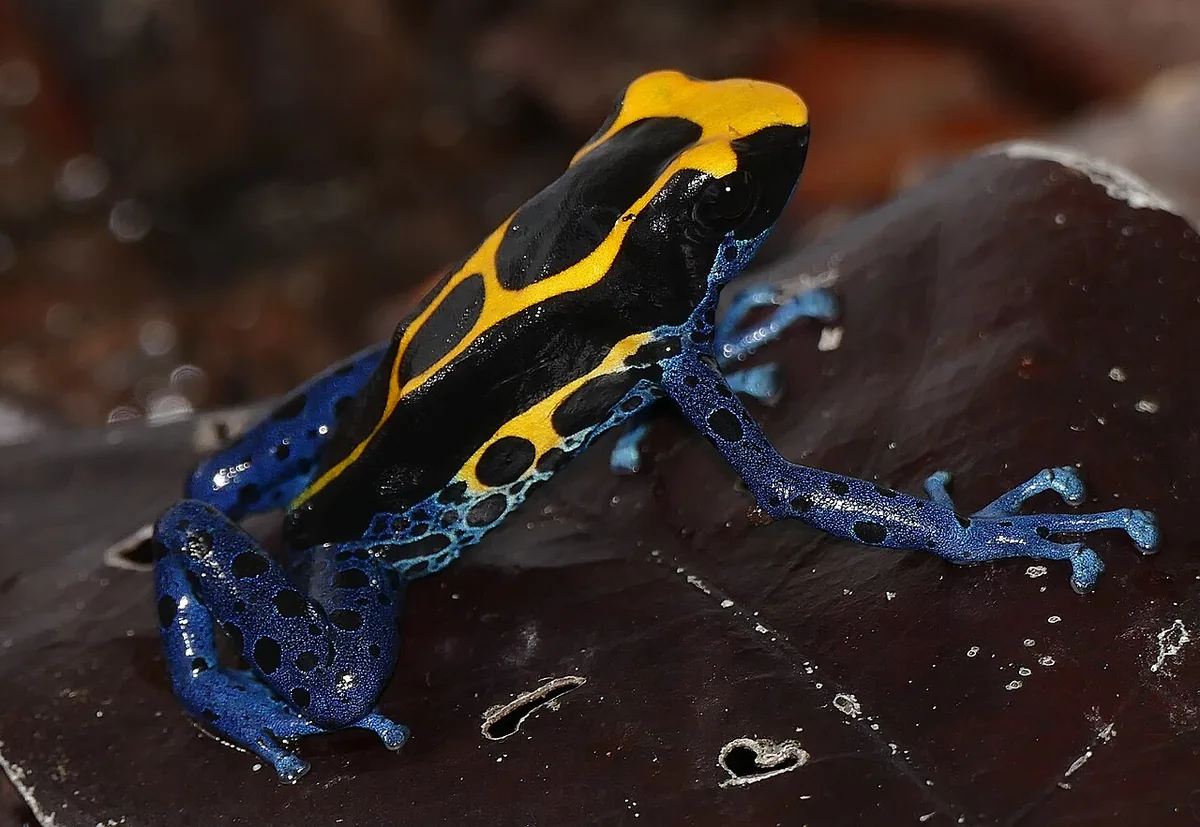
Poison dart frogs eat very small live invertebrates: flightless fruit flies, springtails and isopods. Maintaining those cultures is the real commitment of keeping them. Their toxicity comes from wild diet, which is why captive-bred frogs raised on cultured feeders are not toxic at all.
Feeding schedule by age
| Life stage | Diet balance | How often | Notes |
|---|---|---|---|
| Froglet | Springtails, melanogaster fruit flies | Daily | Very small prey |
| Adult | Hydei and melanogaster fruit flies | Daily or near-daily | Small amounts, often |
| Vivarium | Springtails and isopods | Continuous | Background foraging |
What to feed
| Food | Role | Why |
|---|---|---|
| Flightless fruit flies (D. melanogaster) | Staple | Smaller; suits froglets and small species |
| Flightless fruit flies (D. hydei) | Staple | Larger; suits adults |
| Springtails | Staple | Especially for froglets and continuous foraging |
| Isopods | Supplement | Bioactive clean-up crew and occasional food |
| Bean beetles | Rotation | Useful variety |
| Vitamin and mineral dust | Requirement | Fruit flies are nutritionally incomplete alone |
What never to feed
Items in this table are either outright toxic or cause predictable long-term harm. This is the part of the page worth reading twice.
| Do not feed | Why |
|---|---|
| Crickets and standard feeders | Far too large for most dart frogs. |
| Wild-collected invertebrates | Pesticide and parasite risk, and a genuine toxicity concern here. |
| Handling | Permeable skin; handling harms the frog even though it is not dangerous to you. |
| Running out of cultures | The most common practical failure in dart frog keeping. |
Where good sources disagree
Care sheets do not all say the same thing, and pretending otherwise helps nobody. These are the real points of difference between the sources cited at the foot of this page, and what we think the safe reading is.
How much supplementation fruit flies need.
Fruit flies are nutritionally incomplete on their own and supplement schedules vary between keepers and products. There is no disagreement that dusting is required; the argument is about frequency and which product, and it interacts with whether low-level UVB is provided.
What most poison dart frog feeding advice gets wrong
Captive-bred dart frogs are not poisonous.
This is the most repeated error about the species and it is a feeding fact. Dart frog alkaloids are sequestered from wild arthropods such as mites and ants. Frogs raised on cultured fruit flies and springtails never acquire them, and wild-caught animals lose toxicity over time on a captive diet. Handling is still discouraged, for the frog's sake.
The cultures are the commitment.
Keeping dart frogs means keeping fruit flies, permanently. Cultures crash, need refreshing on a rotation, and have to be started before you need them. More dart frog keeping fails on feeder supply than on anything about the frogs themselves.
Small and often, not large and occasional.
Dart frogs are small active diurnal foragers that graze on tiny prey throughout the day. Feeding a modest number of flies daily or near-daily suits them far better than a large offering twice a week.
Common questions
What do poison dart frogs eat?
Very small live invertebrates: flightless fruit flies of both melanogaster and hydei varieties, springtails, isopods and bean beetles. Fruit flies should be dusted with a vitamin and mineral supplement, since they are not nutritionally complete alone.
Are captive-bred dart frogs poisonous?
No. Their toxicity comes entirely from a wild diet of specific arthropods, which they sequester into skin secretions. Frogs bred in captivity and fed cultured fruit flies and springtails never develop toxins. Even wild-caught frogs lose their toxicity on a captive diet.
How often should I feed dart frogs?
Small amounts daily or near-daily. They are active diurnal foragers that graze on tiny prey through the day, so frequent modest feedings suit them better than occasional large ones.
Do I have to culture fruit flies?
In practice, yes. Dart frogs need a continuous supply of very small live prey, and maintaining rotating fruit fly cultures is the standard approach. Running out of feeders is one of the most common practical problems in keeping them.