What do Pacman frogs eat?
The short answer
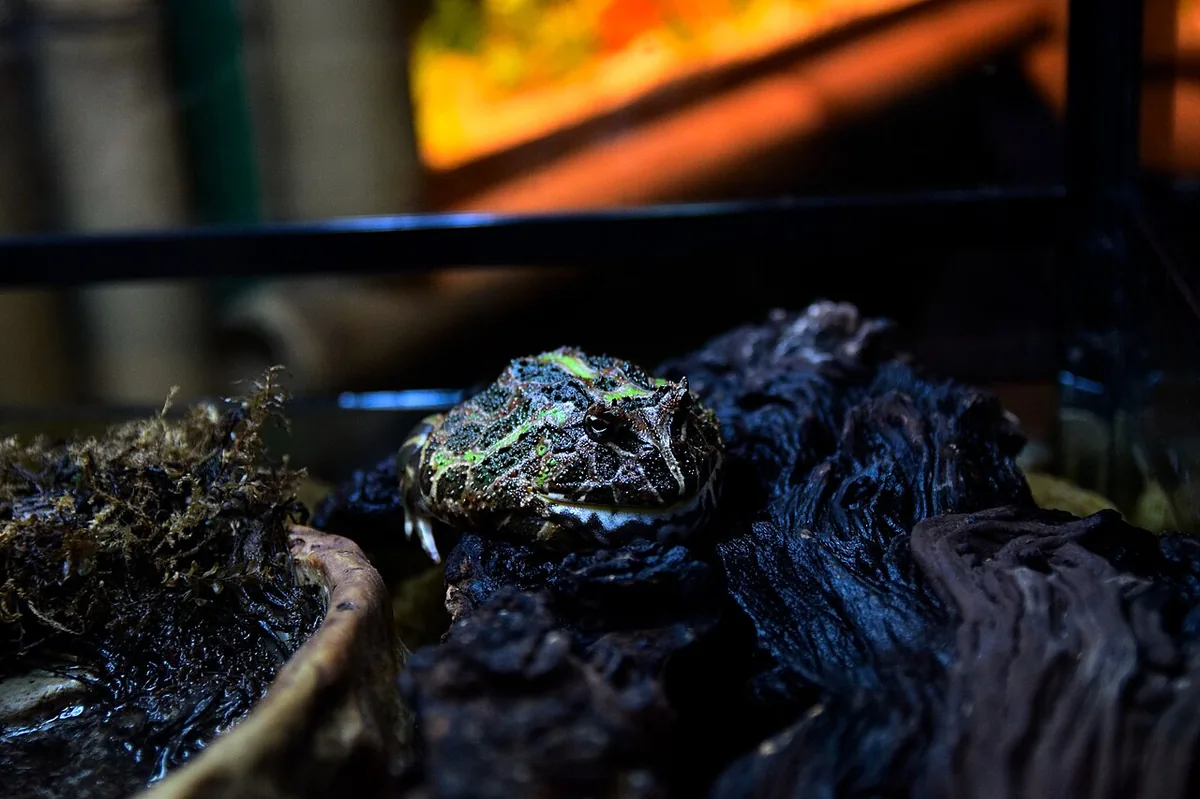
Pacman frogs are sit-and-wait ambush predators built around a very large mouth. They will eat anything that moves and fits, including things that should not, and they do not self-regulate. Feeding them is an exercise in restraint rather than in finding something they will accept.
Feeding schedule by age
| Life stage | Diet balance | How often | Notes |
|---|---|---|---|
| Juvenile | Small insects | Daily to every other day | Growing fast |
| Adult | Insects, occasional whole prey | 2-3 times weekly | Restraint required |
| All ages | Rodents | Rare treat only | Fatty; not a staple |
What to feed
| Food | Role | Why |
|---|---|---|
| Dubia roaches | Staple | Good protein without excess fat |
| Crickets | Staple | Gut-load first |
| Earthworms | Staple | Excellent and well accepted |
| Hornworms | Rotation | Hydrating |
| Pinky mice | Rare treat | Occasional only |
| Gut-loaded insects | Requirement | Feed the insects 24-48h before offering |
| Calcium dusting | Requirement | Insects are calcium-poor as bought |
What never to feed
Items in this table are either outright toxic or cause predictable long-term harm. This is the part of the page worth reading twice.
| Do not feed | Why |
|---|---|
| Rodents as a staple | Fatty; leads to obesity and shortened lifespan. |
| Feeding directly on loose substrate | They swallow substrate with prey; impaction risk. |
| Housing with any other animal | They will attempt to eat tank mates. |
| Wild-caught insects | Pesticide, parasite and toxicity risk. |
| Handling with dry or unwashed hands | Permeable skin absorbs oils, salts and residues. |
Where good sources disagree
Care sheets do not all say the same thing, and pretending otherwise helps nobody. These are the real points of difference between the sources cited at the foot of this page, and what we think the safe reading is.
How often adults should eat.
Guidance runs from twice weekly to every third day for adults. The variation reflects differences in size between Ceratophrys species and individual condition. All sources agree the frog's own appetite is not a usable guide.
What most pacman frog feeding advice gets wrong
There is no off switch.
Pacman frogs have essentially no satiety signal and will keep striking at food for as long as it appears. Keepers interpret the enthusiasm as hunger and feed accordingly, producing obese frogs with shortened lives. The feeding schedule has to come from the keeper, not the frog.
Feed off a dish, not off the substrate.
Because they ambush from a partly buried position and strike hard, they routinely take a mouthful of substrate along with the prey. Impaction is a common and serious problem in this species. Offering food with tongs or on a shallow dish largely removes the risk.
They are strictly solitary.
A Pacman frog will attempt to eat anything it can fit in its mouth, including another Pacman frog. There is no enclosure arrangement that makes cohabitation safe.
Common questions
What do Pacman frogs eat?
Insects mainly: dubia roaches, crickets, earthworms and hornworms, gut-loaded and dusted with calcium. Whole prey such as pinky mice should be an occasional treat rather than a staple, since rodents are fatty and contribute to obesity.
How often should I feed a Pacman frog?
Adults roughly two to three times a week, juveniles daily to every other day. Pacman frogs have no meaningful sense of when to stop eating, so the schedule must come from the keeper rather than from the frog's appetite.
Can Pacman frogs get impaction?
Yes, and it is a common and serious problem. They ambush from a partly buried position and often swallow substrate along with prey. Feeding with tongs or on a shallow dish substantially reduces the risk.
Can Pacman frogs live together?
No. They will attempt to eat anything that moves and fits in their mouths, including other Pacman frogs. They must be housed alone, permanently.